Every year Apple releases an updated iPhone lineup, and every time the same question arises: how much faster is the new model really compared to its predecessor? Fancy words at the presentation are one thing, but raw benchmark numbers are something else entirely. And now the first test results for the iPhone 17e have finally become publicly available, and they turned out to be quite impressive.
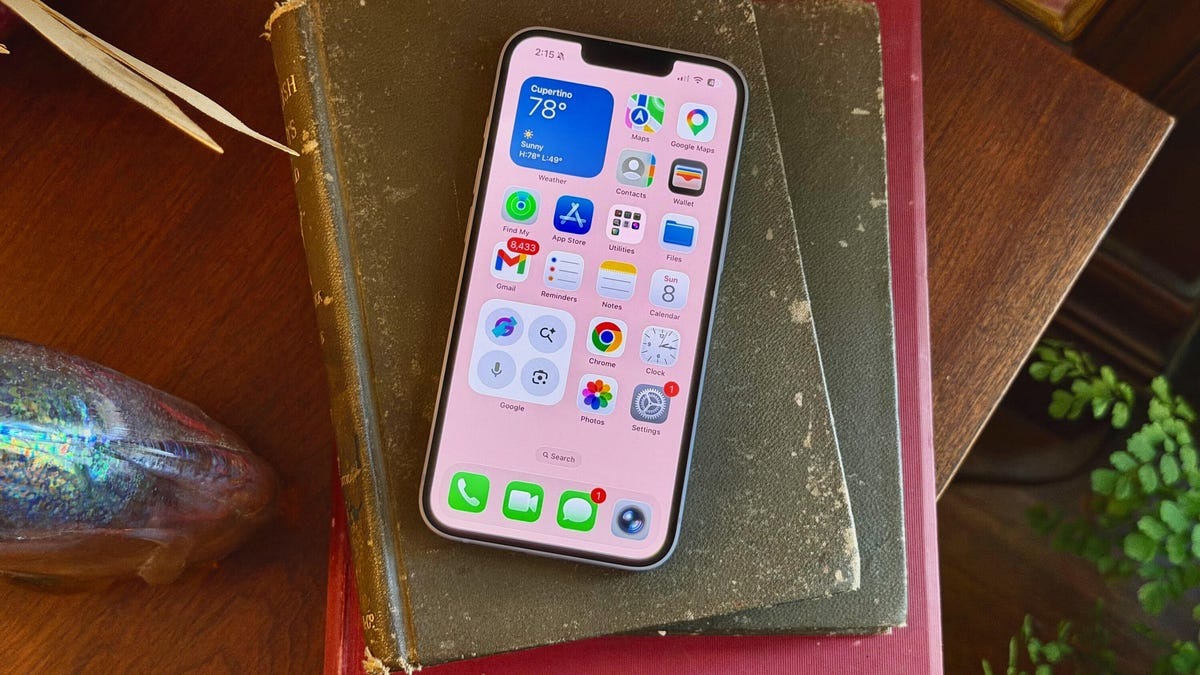
iPhone 17e performance tests have arrived, and everything looks top-notch. Image: cnet.com
iPhone 17e in Geekbench 6: Test Results
Japanese publication Mac OTAKARA published test results for the new iPhone 17e in the popular Geekbench 6 benchmark. For a complete picture, data was collected across the entire iPhone 17 lineup, as well as previous generations — iPhone 16, iPhone 15, iPhone 14, and iPhone 13.
| iPhone Model | Single-Core Test | Multi-Core Test |
|---|---|---|
| iPhone 17e | 3519 | 9332 |
| iPhone 16e | 3145 | 7844 |
| iPhone 17 Pro Max | 3791 | 9435 |
| iPhone 17 Pro | 3580 | 9317 |
| iPhone 17 | 3608 | 8810 |
| iPhone Air | 3528 | 9044 |
| iPhone 16 Pro Max | 3368 | 8269 |
| iPhone 16 Pro | 3355 | 8144 |
| iPhone 16 Plus | 3265 | 7818 |
| iPhone 16 | 3266 | 7926 |
| iPhone 15 Pro Max | 2894 | 7254 |
| iPhone 15 Pro | 2955 | 7110 |
| iPhone 15 Plus | 2590 | 6100 |
| iPhone 15 | 2628 | 6551 |
| iPhone 14 Pro Max | 2519 | 6367 |
| iPhone 14 Pro | 2520 | 6387 |
| iPhone 14 Plus | 2233 | 5408 |
| iPhone 14 | 2224 | 5383 |
| iPhone 13 Pro Max | 2267 | 5462 |
| iPhone 13 Pro | 2257 | 5420 |
| iPhone 13 | 2183 | 5144 |
| iPhone 13 mini | 2077 | 4647 |
The results turned out to be more than telling. Comparing the iPhone 17e with its direct predecessor, the iPhone 16e, the improvement in the single-core test was approximately 1.1x, and in the multi-core test — about 1.2x. The numbers might not seem huge at first glance, but context matters here: we’re talking about the most affordable iPhone in the lineup, not the flagship.
But here’s what’s truly surprising: the A19 chip in the iPhone 17e outperforms the A18 Pro in CPU performance, which is found in last year’s iPhone 16 Pro. In other words, the “budget” iPhone of the new generation turned out to be more powerful than last year’s flagship. This is a fairly typical strategy for Apple, but it impresses every time.
How Much Faster Is the GPU in iPhone 17e Compared to iPhone 16e
In addition to CPU tests, Mac OTAKARA conducted graphics performance measurements using the Geekbench 6 Compute test. On iOS, the only available graphics benchmark uses the Metal API — Apple’s own graphics interface.
| iPhone Model | Geekbench 6 Metal |
|---|---|
| iPhone 17e | 31221 |
| iPhone 16e | 24069 |
| iPhone 17 Pro Max | 46104 |
| iPhone 17 Pro | 45466 |
| iPhone 17 | 37214 |
| iPhone Air | 36254 |
| iPhone 16 Pro Max | 32736 |
| iPhone 16 Pro | 32804 |
| iPhone 16 Plus | 27837 |
| iPhone 16 | 27529 |
| iPhone 15 Pro Max | 27322 |
| iPhone 15 Pro | 27341 |
| iPhone 15 Plus | 22661 |
| iPhone 15 | 23039 |
| iPhone 14 Pro Max | 22277 |
| iPhone 14 Pro | 22399 |
| iPhone 14 Plus | 20105 |
| iPhone 14 | 19969 |
| iPhone 13 Pro Max | 19941 |
| iPhone 13 Pro | 19652 |
| iPhone 13 | 17319 |
| iPhone 13 mini | 17655 |
And here the improvement turned out to be even more noticeable. The GPU in the iPhone 17e runs approximately 1.3 times faster than in the iPhone 16e. This is already a significant difference that can affect gaming, photo and video editing, and machine learning tasks.
However, there’s a catch. The A19 chip in the iPhone 17e has one fewer GPU core than the A19 in the standard iPhone 17. Simply put, Apple slightly “trimmed” the GPU to reduce the model’s cost, but even in this configuration, graphics performance has noticeably improved compared to the previous generation.
Why iPhone 17e Is Faster Than iPhone 16 Pro
At first glance, it seems strange that an affordable model outperforms last year’s expensive Pro smartphone. But in reality, this is Apple’s philosophy: each new A-series chip provides such a significant performance headroom that even its “trimmed” version for the budget lineup ends up being faster than the previous top-tier solution.
The A19 chip installed in the iPhone 17e, judging by benchmark results, received improvements in both CPU and GPU departments. And this is despite Apple traditionally limiting the number of GPU cores in its lower-end models. So it’s safe to say that the A19 in the iPhone 17e already outpaces the A18 Pro from the iPhone 16 Pro.
For the average user, this means a simple thing: by purchasing the most affordable new iPhone, you get performance that just a year ago was only available to owners of the most expensive models. The fact is that Apple has long bet on ensuring that even the budget segment shouldn’t feel shortchanged in terms of speed.
Is the iPhone 17e Worth Buying
If you’re considering buying a new Apple smartphone and don’t want to overpay for Pro models, the iPhone 17e benchmark results give a fairly clear answer. The CPU performance gain is 10–20% compared to the iPhone 16e, and for graphics — a full 30%. And this is despite the GPU in the iPhone 17e being slightly cut down compared to the standard iPhone 17.
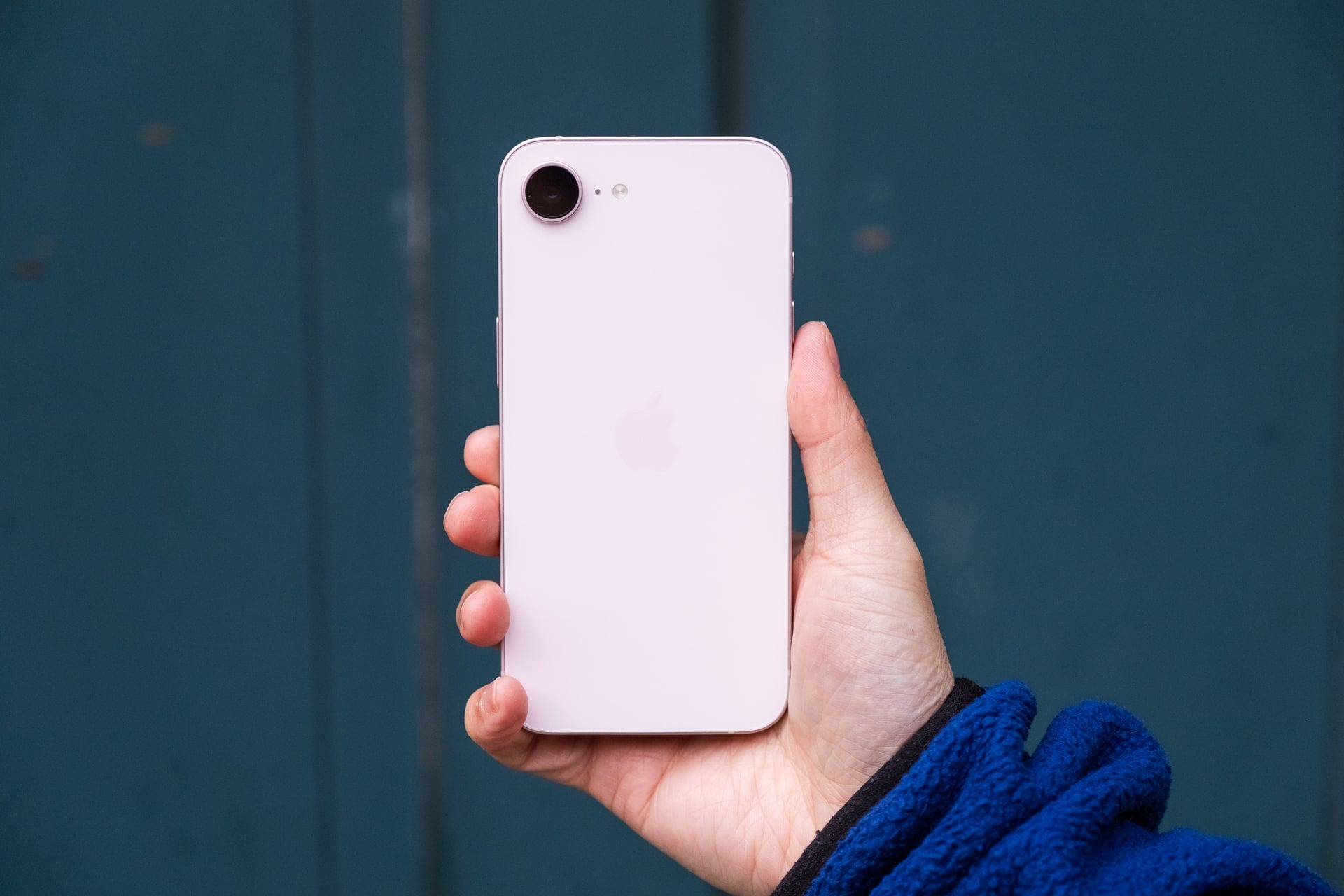
If you want an iPhone for a reasonable price, the 17e definitely won’t disappoint you. Image: gizmodo.com
For everyday tasks, such an improvement is unlikely to be noticeable “to the eye,” but in resource-intensive scenarios — gaming, video editing, AI-related tasks — the difference can be quite tangible. This is especially true for future Apple Intelligence features, which require serious computational power directly on the device.
Benchmark numbers, of course, don’t tell the whole story — battery life, camera quality, display, and dozens of other details also matter. But one thing can be said for certain: in terms of pure computational power, the iPhone 17e sets a new bar for affordable Apple smartphones, and that is perhaps the main takeaway from these first tests.