iPhone 17 Pro Max and Samsung Galaxy S26 Ultra are the two most expensive and feature-packed smartphones of 2025–2026. It’s all the more interesting to compare these devices across every possible criterion: from price and display to performance and artificial intelligence. We’ve already done a camera comparison of the iPhone 17 Pro Max and S26 Ultra and got very interesting results. So let’s run through the remaining specs and see which 2026 flagship comes out on top.
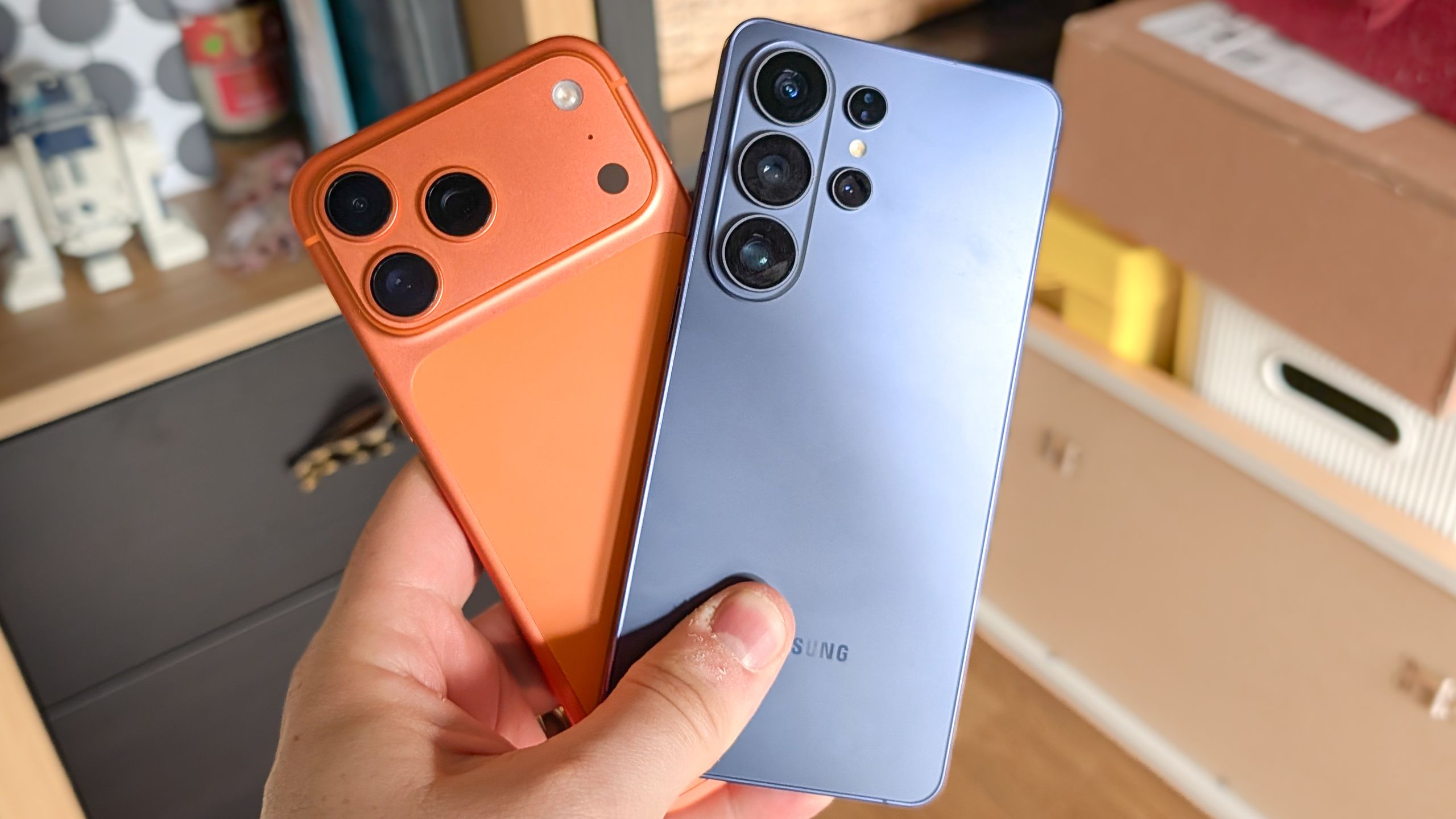
iPhone 17 Pro Max vs Samsung S26 Ultra comparison — the winner surprised even on price. Image: tomsguide.com
How Much Do iPhone 17 Pro Max and Samsung Galaxy S26 Ultra Cost in 2026
iPhone 17 Pro Max launched in September with a starting price of $1,199 for the 256 GB version. Here’s the full lineup:
- 256 GB — $1,199 (approximately 118,000 ₽ in Russia)
- 512 GB — $1,399 (approximately 136,000 ₽ in Russia)
- 1 TB — $1,599 (approximately 155,000 ₽ in Russia)
- 2 TB — $1,999 (approximately 189,000 ₽ in Russia)
Samsung Galaxy S26 Ultra went on sale in March, and with comparable storage it may surprise you on price. The thing is, internationally it costs more than the iPhone 17 Pro Max, but in Russia it doesn’t:
- 256 GB — $1,299 (approximately 87,000 ₽ in Russia)
- 512 GB — $1,499 (approximately 105,000 ₽ in Russia)
- 1 TB — $1,699 (approximately 140,000 ₽ in Russia)
Samsung doesn’t offer a 2 TB version at all. At the same time, for each comparable storage option Samsung charges $100 more than Apple. The situation is quite interesting and very ambiguous. Essentially, the Galaxy S26 Ultra just went on sale but is already aggressively dropping in price. That hasn’t happened with the iPhone. Yes, the iPhone 17 Pro Max could be purchased for 95,000–100,000 rubles in the minimum configuration, but that’s about it. Now, due to the dollar exchange rate, the device is getting more expensive every day.
Which Display Is Better — iPhone 17 Pro Max or Samsung S26 Ultra
Both smartphones feature 6.9-inch OLED displays with adaptive refresh rates from 1 to 120 Hz. On paper the difference is minimal, but lab tests revealed interesting nuances.
In brightness, the iPhone 17 Pro Max is slightly ahead: 1,899 nits versus 1,806 nits for Samsung. However, both figures are noticeably lower than the manufacturers’ claimed 3,000 and 2,600 nits respectively — marketing, as usual, promises more than reality delivers.
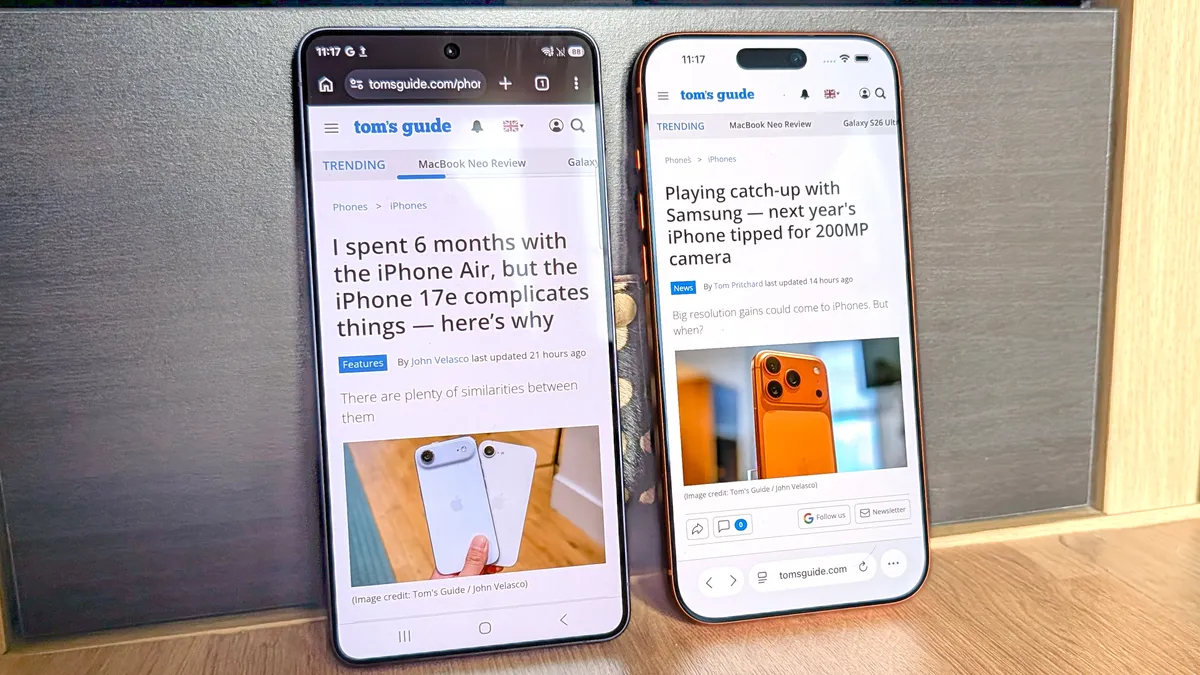
Both smartphones deliver great picture quality. Image: tomsguide.com
Samsung wins noticeably in color gamut coverage. In Vivid mode (enabled by default), the Galaxy S26 Ultra covers 106.9% of the DCI-P3 standard, while the iPhone covers only 77.6%. This means colors on the Samsung screen look more saturated and varied.
At the same time, color accuracy is slightly better on the iPhone: its Delta-E score is 0.26 versus 0.29 for Samsung. The lower the value, the more accurately colors match reality. But the difference is so small that it’s virtually impossible to notice with the naked eye.
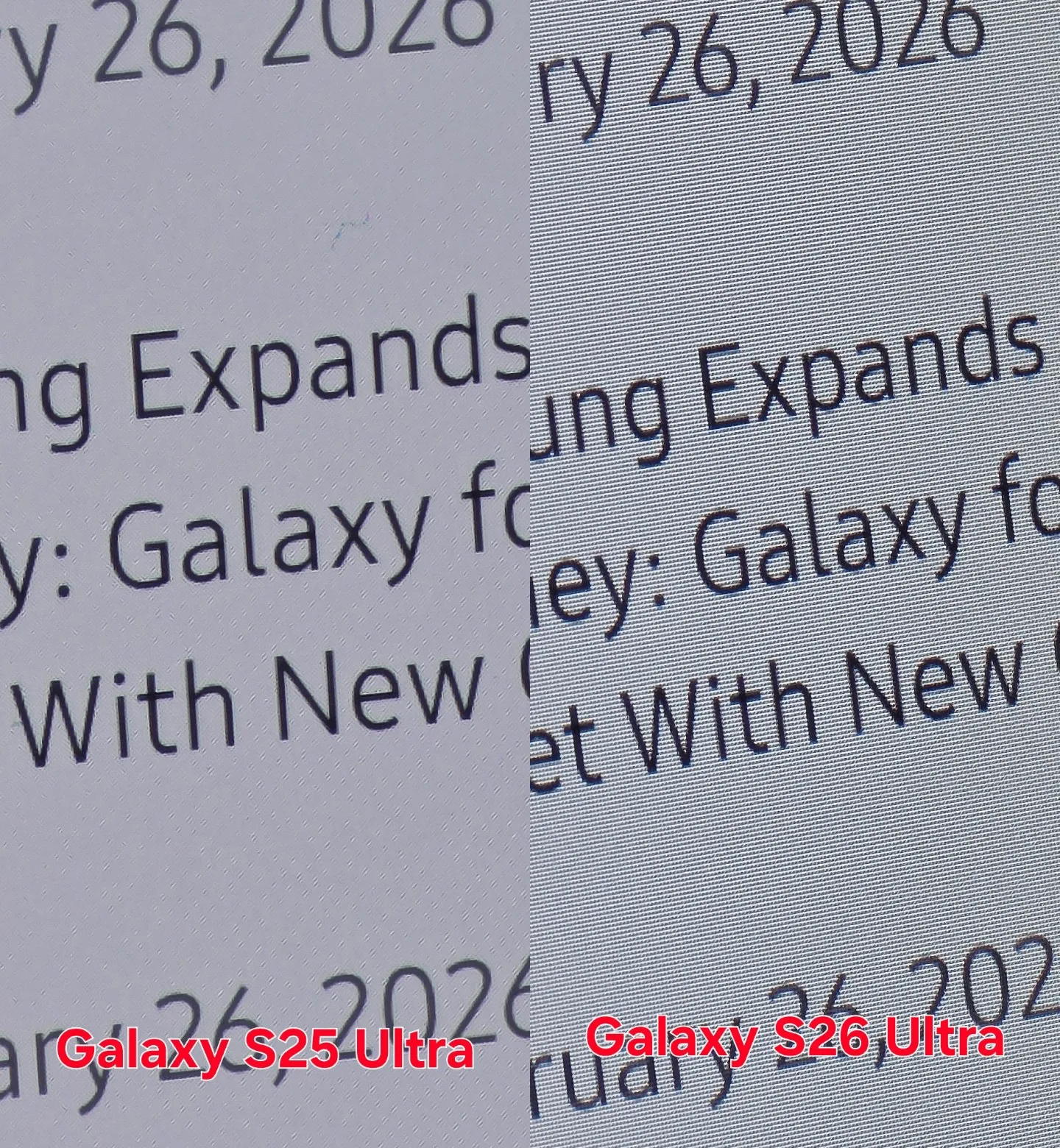
Get ready for a grainy screen on the S26 Ultra. Image: x.com
Samsung’s main trump card is the Privacy Display feature. It makes the screen unreadable for anyone looking at it from an angle. Apple has nothing like this, and for those who frequently use their phone in public places, it’s a real advantage. However, complaints about this technology are so numerous that counting them on your fingers would be very difficult. The screen becomes grainy because of it, and many users experience eye discomfort and headaches. So you should think twice before choosing the Galaxy S26 Ultra for its display.
Which Processor Is More Powerful — A19 Pro or Snapdragon 8 Elite Gen 5
For years, Apple chips led benchmark tests without question. But the Snapdragon 8 Elite Gen 5 in the Galaxy S26 Ultra has seriously changed the balance of power. Here are the benchmark results:
- Geekbench, single-core: A19 Pro — 3,871, Snapdragon — 3,785. The difference is less than a hundred points — practically a tie.
- Geekbench, multi-core: Snapdragon — 11,563, A19 Pro — 9,968. Samsung is noticeably ahead.
- 3DMark Wild Life Extreme (graphics): Samsung — 6,645 points (39.8 fps), Apple — 5,855 (35 fps).
Apple retains a minimal advantage in single-threaded tasks, but in multi-threaded computing and especially in graphics, Samsung confidently leads. Snapdragon has been outperforming Apple in graphics benchmarks for several years now, and Apple hasn’t been able to close this gap yet. However, there are still more truly great games on iOS. So do synthetic benchmarks matter, or do we look at reality?
Cameras: iPhone 17 Pro Max and Galaxy S26 Ultra — 48 MP vs 200 MP
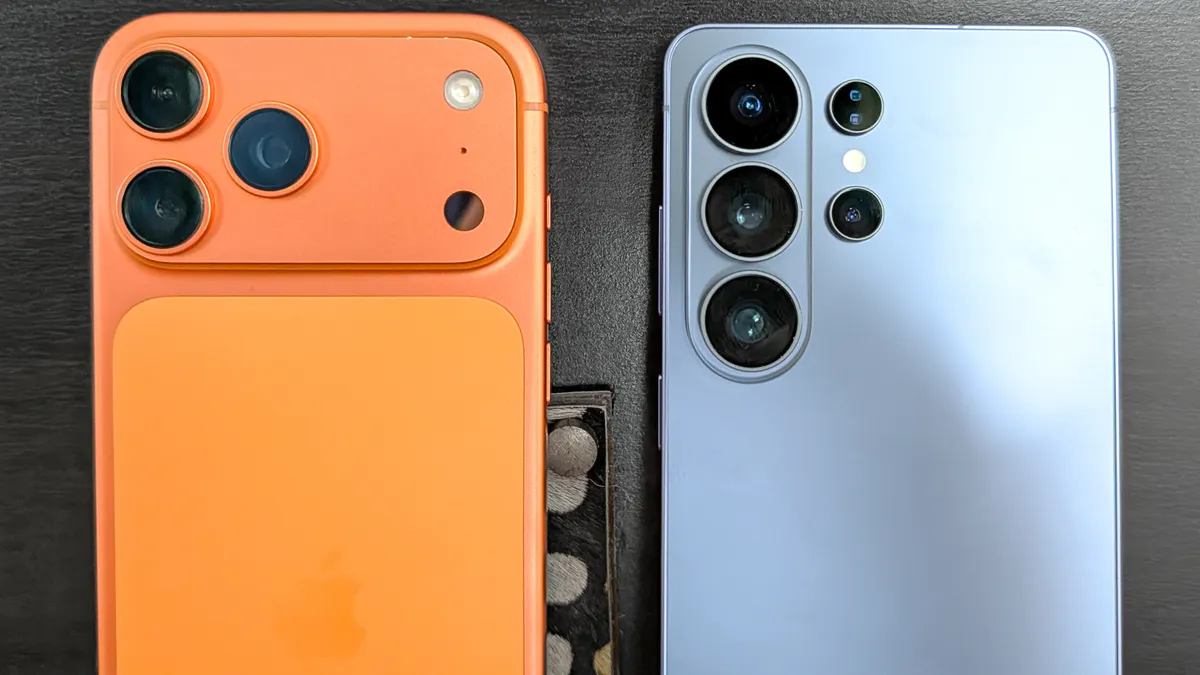
The camera comparison is also very interesting. Image: tomsguide.com
On paper, Samsung looks like the favorite: a 200 MP main camera, a 50 MP ultrawide, and two telephoto lenses (50 MP with 5x zoom and 10 MP with 3x zoom). The iPhone has three 48 MP modules (main, ultrawide, and telephoto with 4x zoom), plus an 18 MP front camera versus Samsung’s 12 MP.
But megapixels are far from everything. Here’s what real-world shots showed:
- Daytime shots: both phones shoot excellently, but Samsung delivers slightly more contrast, making photos visually more appealing.
- Ultra-wide angle: iPhone captures more detail, especially on the edges.
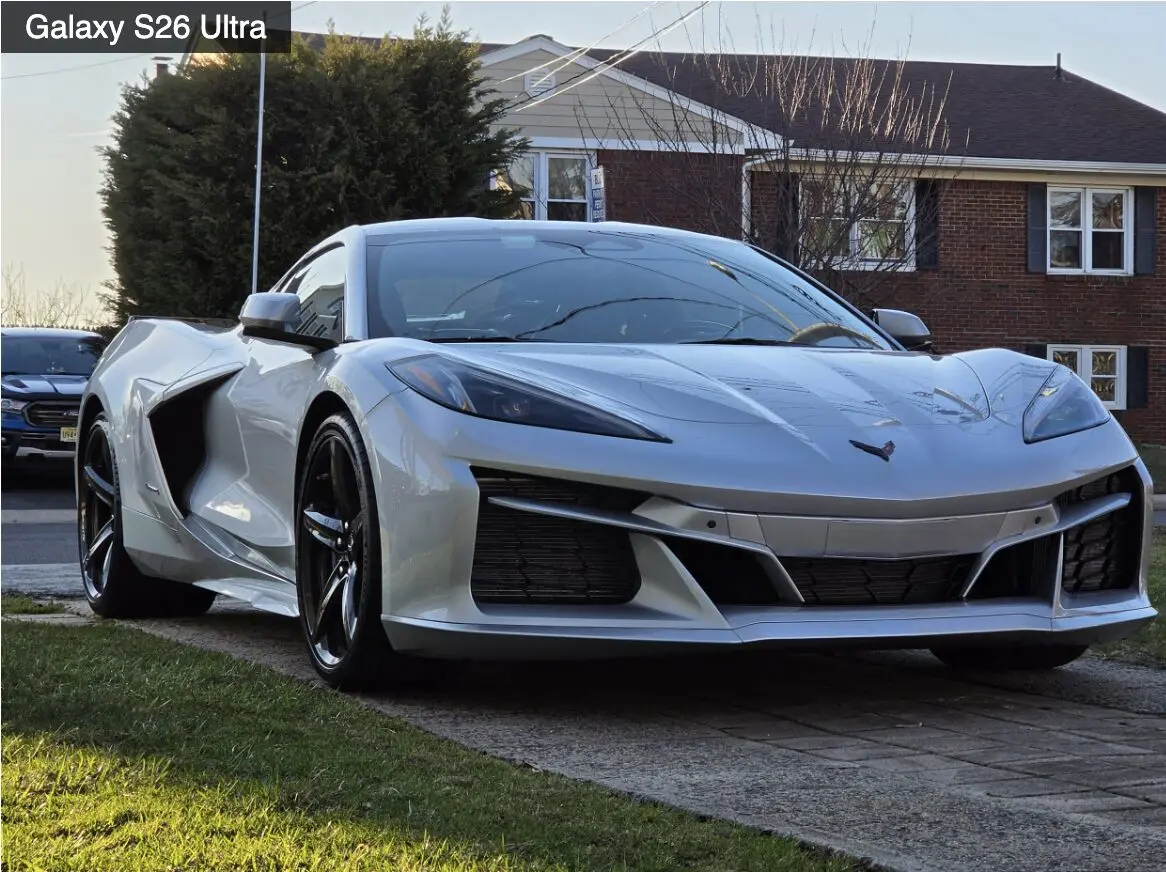
The S26 Ultra handled the car shot excellently. Image: tomsguide.com
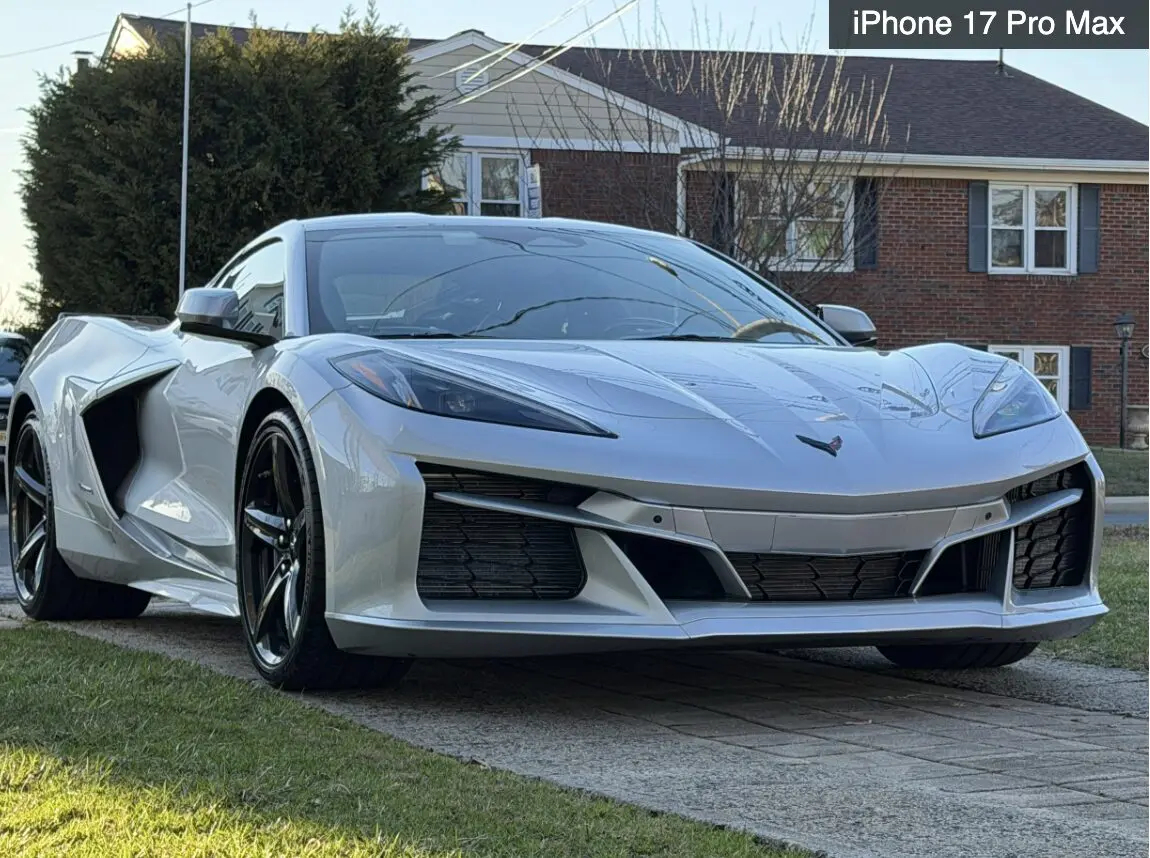
The iPhone seems to have overexposed the photo. Image: tomsguide.com