A Tom’s Guide journalist used the iPhone Air as his primary smartphone for six months — and concluded that the ultra-thin design alone no longer justifies the high price. Although the iPhone Air turned out to be twice as popular as the iPhone 16 Plus, that doesn’t make it a better device. The release of the iPhone 17e at $599 further sharpened the problem: with similar capabilities, the price difference is $400. Let’s break down who the iPhone Air is actually for, and who should look elsewhere.
Key takeaways about iPhone Air after six months. Image: tomsguide.com
iPhone Air — How Much Does Thinness Really Matter in 2026
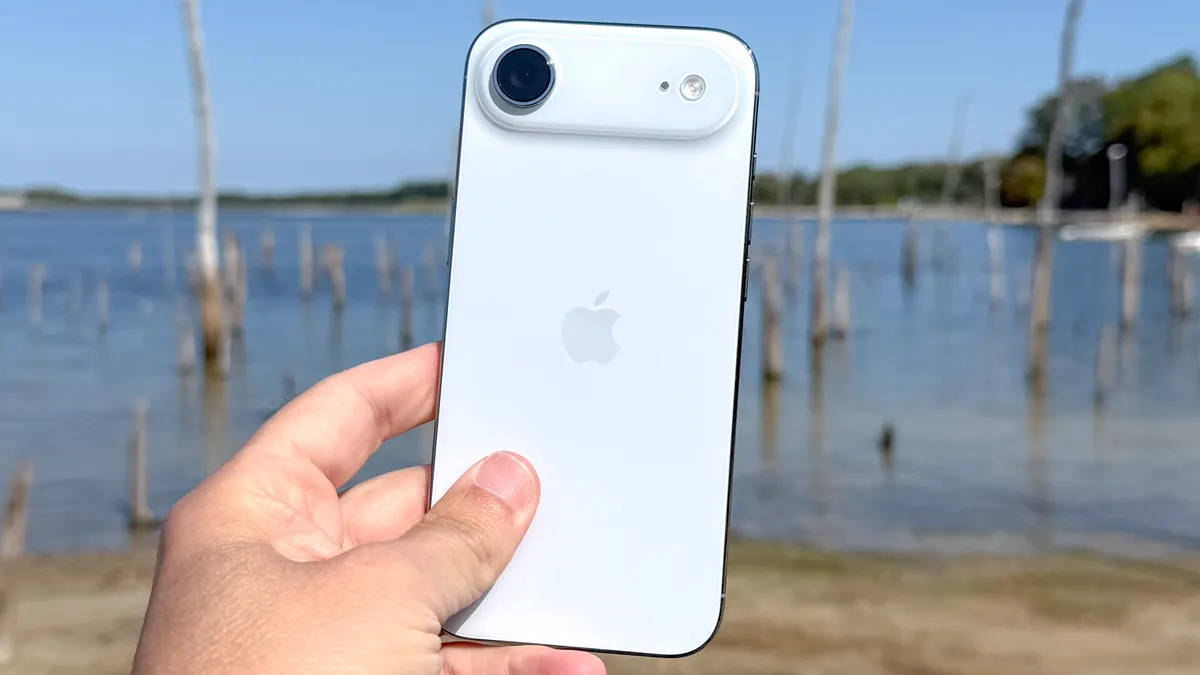
The iPhone Air remains the thinnest iPhone ever made: just 5.64 mm at its thinnest point. For comparison, the iPhone 17 is 7.95 mm, and the iPhone 17 Pro is 8.75 mm. That means the Air is roughly 30% thinner than its “siblings.” From an engineering standpoint, this is impressive, but according to the reviewer, the wow factor of thinness wears off quickly.
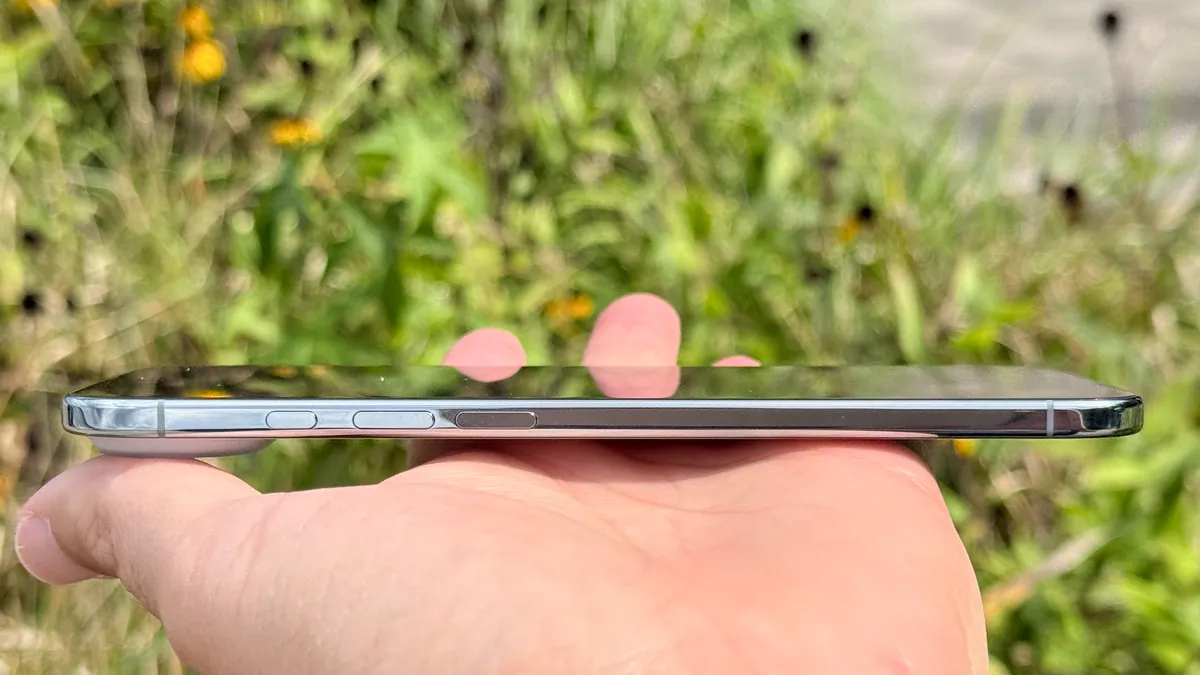
The device is genuinely thin and light, and you can’t take that away from it. Image: tomsguide.com
An interesting detail: the iPhone 17 and iPhone 17 Pro are only 17.1% and 19.1% heavier than the Air, respectively. When you hold both devices in your hands, the weight difference is far less dramatic than the difference in thickness. People the author showed the iPhone Air to were surprised that despite such a thin body, the smartphone felt quite dense and weighty.
The author notes that Apple should have gone a different route: instead of simply making the phone thinner, they should have reduced the overall dimensions while maintaining the thinness. A compact device that would truly feel unique. But for now, the iPhone Air is more of an experiment with form rather than with usability.
iPhone Air Battery: Does It Last a Full Day
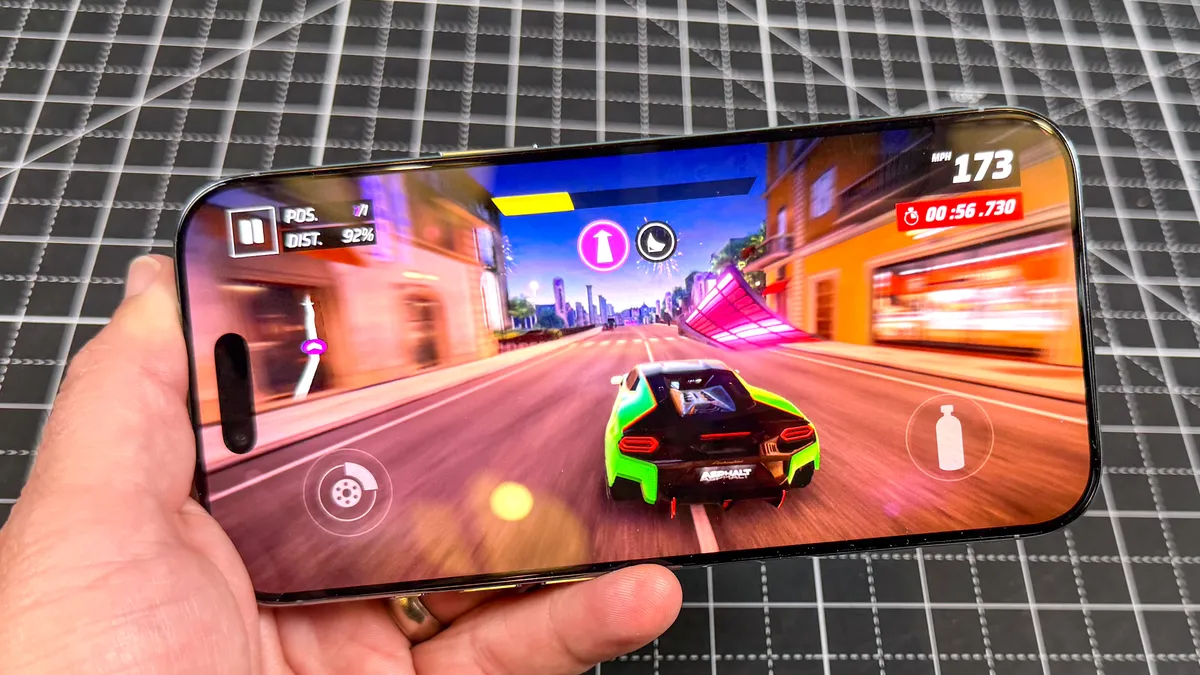
You can game on it, but not as long as on other iPhones. Image: tomsguide.com
Battery life is one of the obvious sacrifices of the thin design. In Tom’s Guide’s test, the iPhone Air lasted 12 hours and 2 minutes. For context, the standard iPhone 17 scored 12 hours and 47 minutes — the difference isn’t critical but noticeable. Both devices are far from record holders: for example, the OnePlus 15 lasted 25 hours and 13 minutes.
In practice, the Air lasts through an eight-hour workday, but with heavy evening use, you’ll need a portable charger. Charging to 55% in 30 minutes is acceptable, though the author would like to see faster wired charging. Overall, if you’re not going out for a full day without access to an outlet, battery life won’t be a critical issue.
One 48 MP Camera — What the iPhone Air Is Missing
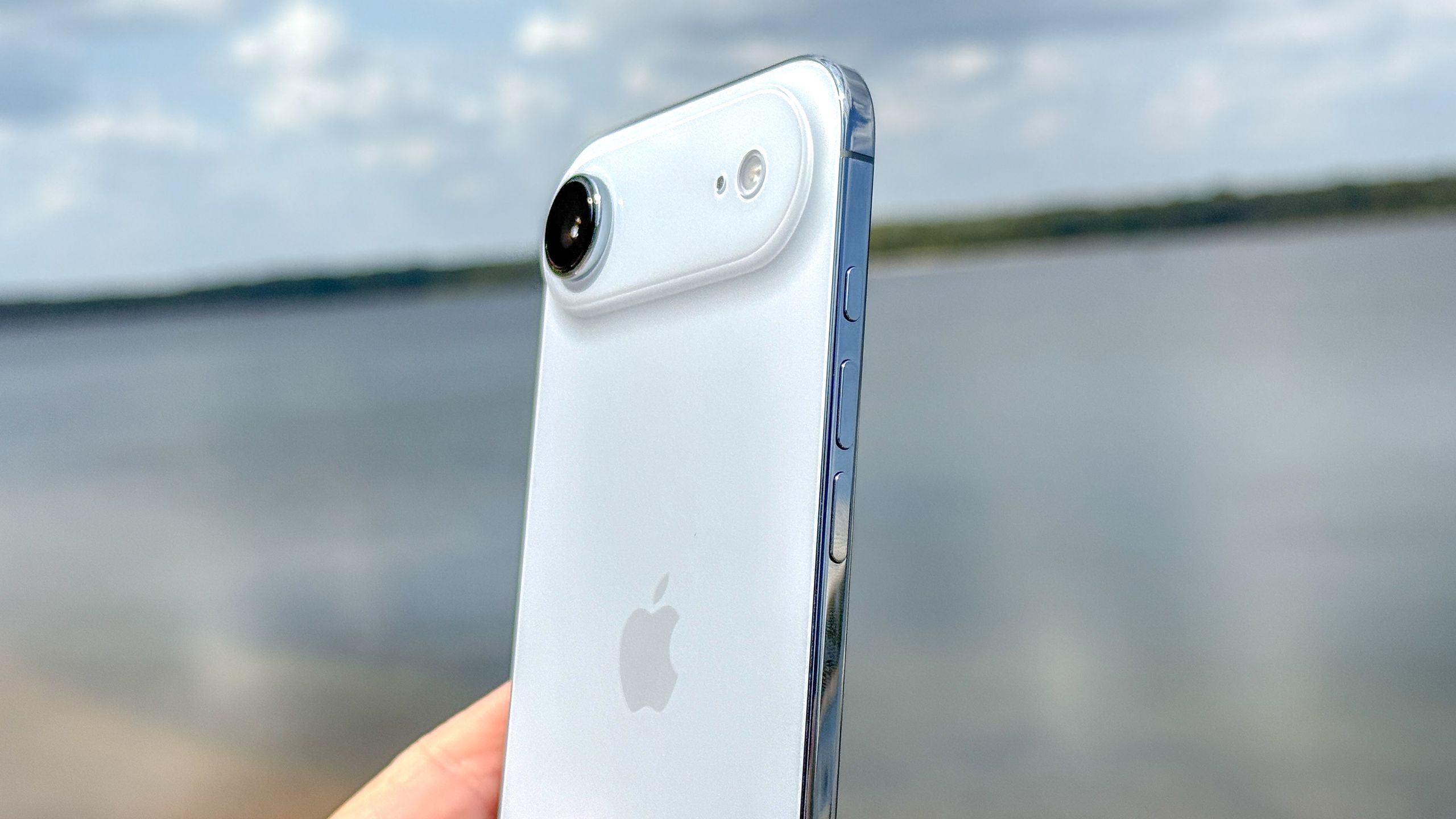
Perhaps the biggest complaint after six months of use is the single rear camera. The iPhone Air is equipped with a single 48 MP module, while the iPhone 17 has a dual camera and the iPhone 17 Pro has a triple camera. According to the author, the photo quality of the iPhone Air is on par with the iPhone 17 Pro: photos are excellent in all conditions, including low light.
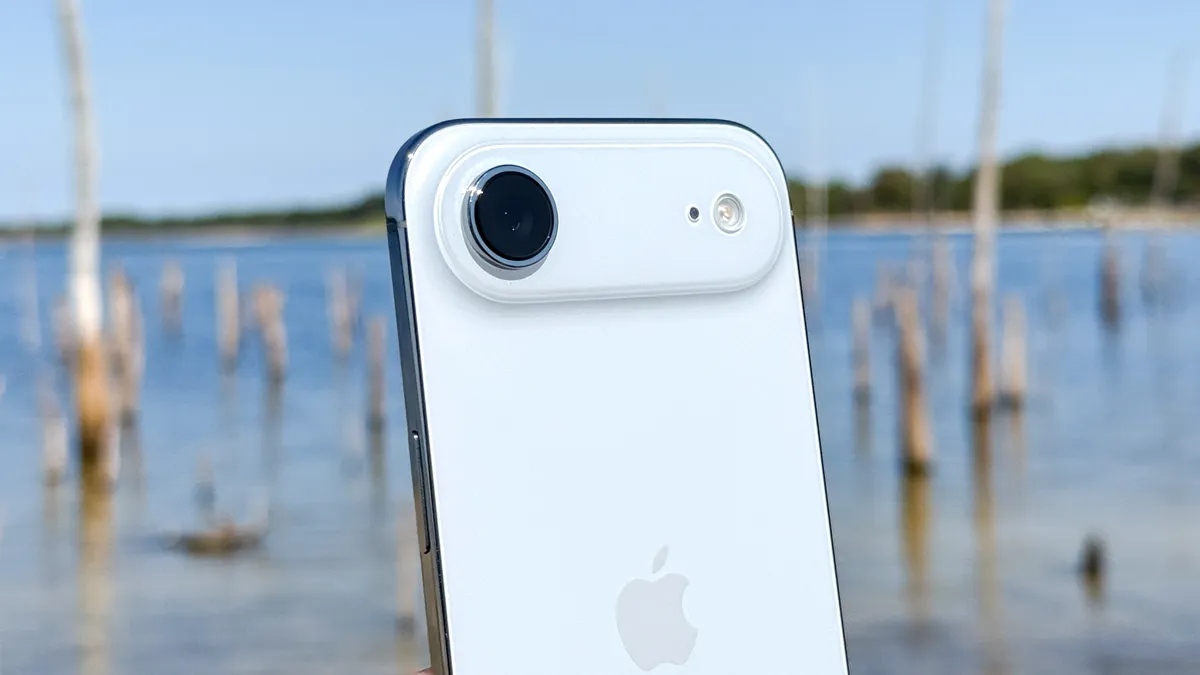
The single camera is the Air’s Achilles’ heel. Image: tomsguide.com
The problem lies elsewhere: one camera means limited shooting scenarios. No ultra-wide lens — which means no macro mode and no spatial photos. After several years of being accustomed to two or three cameras, going back to a single module feels like a step backward. And most importantly, the iPhone Air ends up in the same position as the cheapest new iPhone in terms of camera capabilities.
iPhone Air or iPhone 17e — Is It Worth Paying $400 More
It’s precisely the release of the iPhone 17e at $599 that dealt the biggest blow to the iPhone Air’s positioning. At $999, the Air costs $400 more, but here’s what the comparison reveals:
- Both have the same 48-megapixel camera with the same aperture
- The iPhone 17e showed slightly better battery life in tests
- The iPhone 17e now supports MagSafe — fast wireless charging and accessory compatibility
- Both devices perform equally well when shooting in low-light conditions
Effectively, for $400 less you get nearly the same set of capabilities. The difference lies in the thin titanium body, the A19 Pro chip (instead of the A19), a ProMotion display with a 120 Hz refresh rate, and a 6.5-inch screen. The question is whether these differences are worth nearly half the price of a new iPhone.
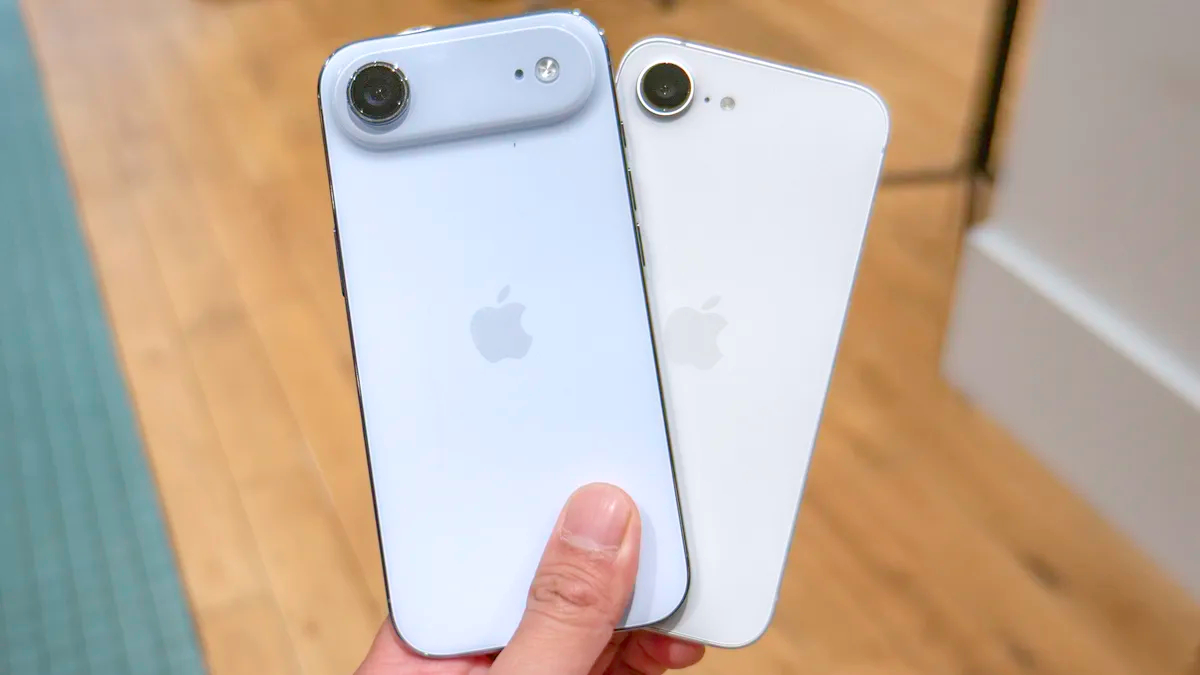
The 17e is somewhat similar to the Air, but the latter is still a smartphone of a different level. Image: tomsguide.com
For the full picture: the iPhone 17 at $799 offers a dual camera. And the iPhone 17 Pro at $1,099 — a triple camera and the maximum set of features. The iPhone Air at $999 is squeezed between them and offers nothing unique besides its thinness.
iPhone Air 2: When Will It Come Out and Should You Wait Instead of Buying Now
The author admits he expected the iPhone Air to be a breakthrough device — one of those that define an era, like the original iPhone, iPhone 4, or iPhone X. But that didn’t happen. In his opinion, Apple needs to go back to the drawing board.
As for its successor, there are various rumors circulating around the iPhone Air 2. One of them is that the release of the next version may be postponed indefinitely. If that’s the case, the author hopes Apple will use the time for serious improvements: thin design alone isn’t enough to justify the high price.