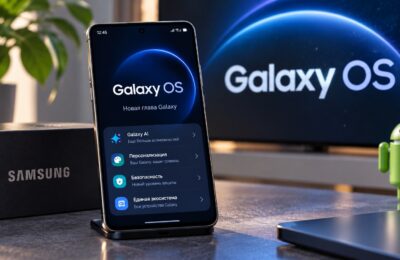
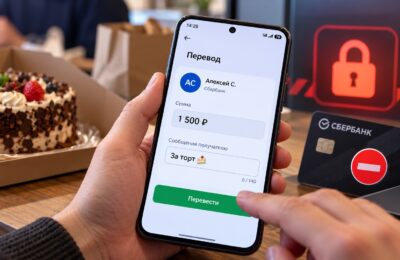
HyperOS 4, Xiaomi’s Android 17-based software update, is rolling out gradually to Xiaomi, REDMI and POCO smartphones. Its most noticeable additions fall into five areas: a system-wide Soft Light Glass design, the Super XiaoAi 2.0 assistant, performance improvements, a more customizable lock screen, and Dual-Phone Syncing for calls and SMS codes. Not every feature will reach every phone or every market. The full glass effect needs recent flagship chips. The assistant is unlikely to launch outside China in its current form. Dual-Phone Syncing currently works only in China.
What you need to know
- The full version of the Soft Light Glass design is limited to phones with Snapdragon 8 Elite, Dimensity 9500, Xring O1 or newer flagship chips. Other supported models get a simplified version.
- Xiaomi says HyperOS 4 increases free RAM by 27.2% after long-term use and launches apps 17% faster.
- The Chinese rollout covers more than 100 devices in six waves through January 2027. A global stable schedule has not been published yet.
- Dual-Phone Syncing works only in China for now, and the full Super XiaoAi 2.0 feature set is unlikely to be available outside China.
HyperOS 4 and its new features
Soft Light Glass redesigns the entire interface
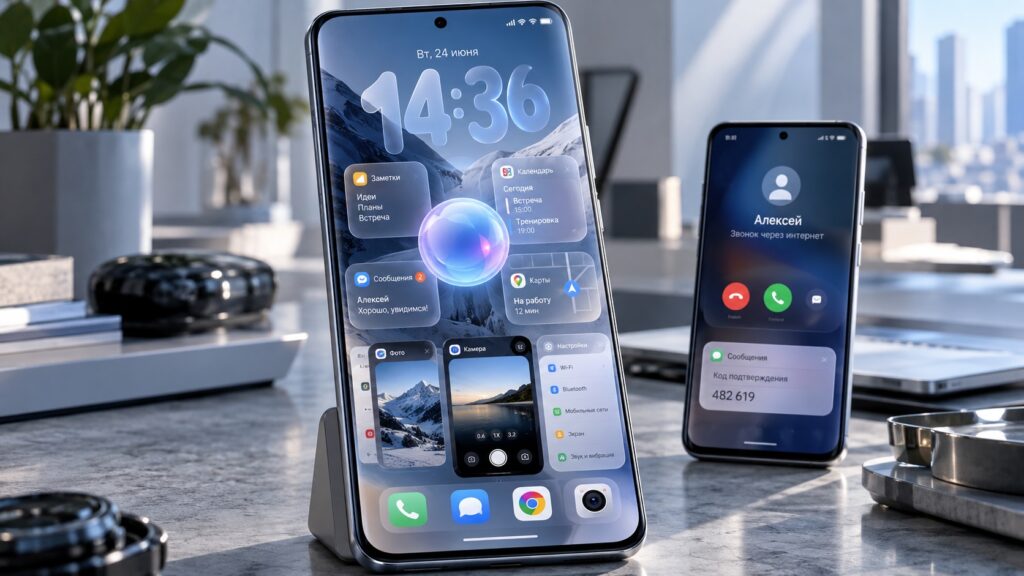
The most visible change is the look. Xiaomi calls the new style Soft Light Glass, and it is essentially Xiaomi’s take on Apple’s Liquid Glass design in iOS. Interface elements look like translucent cards layered on top of each other. The background beneath them is blurred, and light refracts along their edges depending on what is happening on screen.
The new style is not limited to a single menu. It covers the lock screen, home screen, app icons, control center, folders and widgets. As a result, the interface looks consistent, rather than mixing redesigned screens with ones left over from HyperOS 3.

HyperOS 4 icons with the Soft Light Glass effect

The full effect is reserved for flagship chips
There is a catch. Most models eligible for HyperOS 4 will get the effect. However, the full version with deeper integration is limited to devices powered by the Snapdragon 8 Elite, Dimensity 9500, Xring O1 or newer flagship chips. Xiaomi attributes this to hardware capabilities. Owners of mid-range phones should expect a simplified version.
Super XiaoAi 2.0: an assistant that works across several apps
Xiaomi’s Super XiaoAi 2.0 assistant runs on the company’s own language model, Xiaomi MiMo V2.5. Language models are the same type of technology behind ChatGPT and Gemini. The assistant is better at remembering information about the user over the long term. It can also perform actions across several apps at once and understand what is currently open on the screen.
The headline addition is Expert Mode, which handles multi-step requests. For example, it can take the user’s preferences into account, check the calendar and plan a trip for free days. From a single request, it can also prepare a detailed analytical report, a presentation, a website or a video.
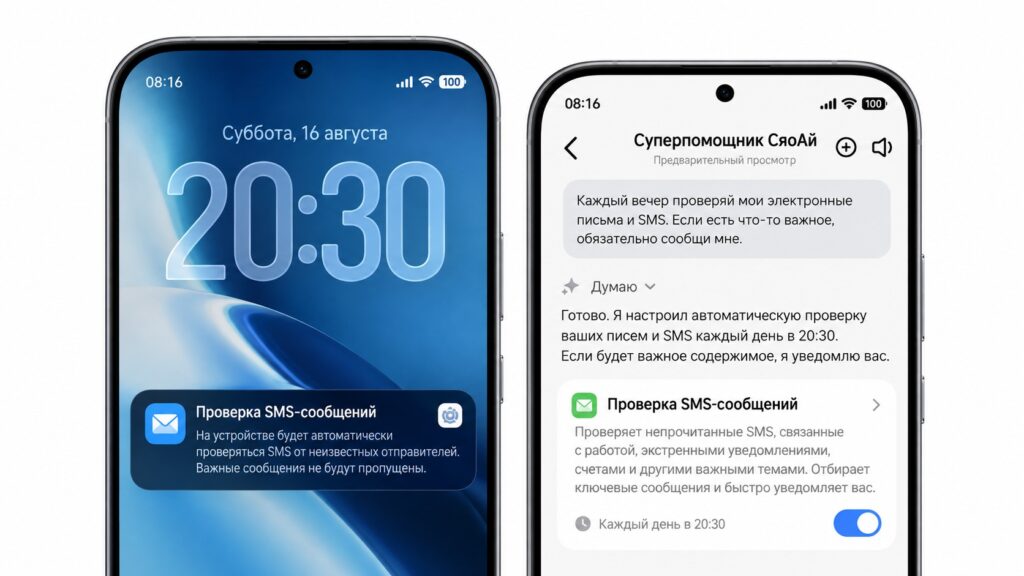
The Super XiaoAi 2.0 smart assistant on Xiaomi
Another feature, Inspiration Ball, analyzes what is on screen and suggests a relevant action, such as plotting a route, creating a calendar event or opening a product link. Xiaomi’s own apps have also been updated:

- The voice recorder detects when a meeting is being recorded, highlights the key points and produces a short summary.
- AI-powered voice notes extract conclusions and to-do lists from attached images.
- The Super XiaoAi keyboard cleans up text dictated by voice.
Availability outside China is uncertain
The assistant with all of these capabilities is unlikely to be available outside China. For now, users should not expect the full feature set to appear unchanged in the global firmware.
System speed: memory, app launches and the camera
For most users, this may matter more than new visual effects. HyperOS 4 introduces an AI-based system that preloads frequently used content into memory. According to Xiaomi, after long-term use a phone has 27.2% more free RAM, and apps launch 17% faster. The change targets a familiar problem: phones tend to slow down over time.
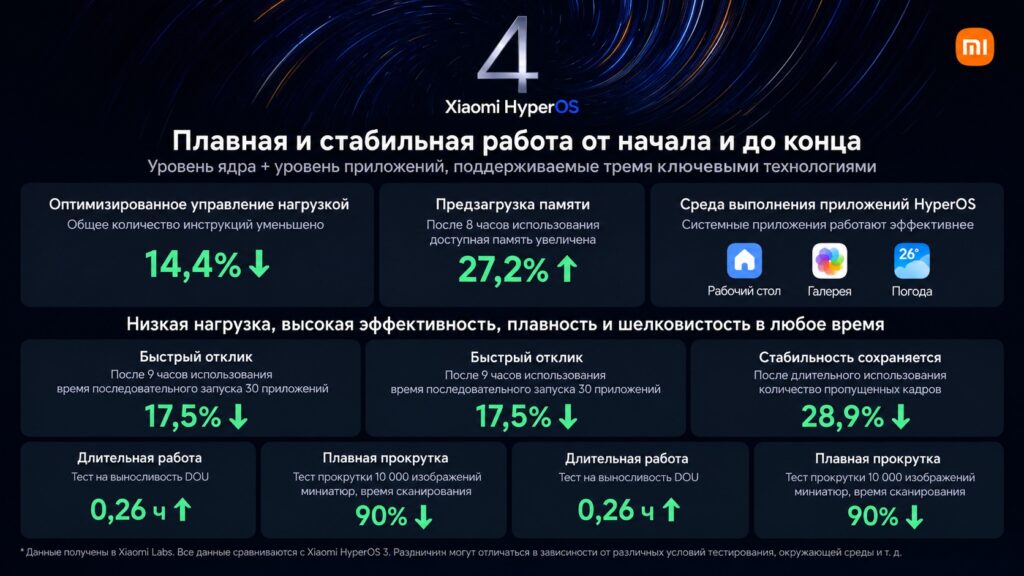
System performance figures after updating to HyperOS 4
Xiaomi has also refined HyperCore, the engine that manages system operation. The company says it sends about 14.4% fewer unnecessary instructions to the processor than HyperOS 3. Put simply, the processor wastes less effort.
Built-in apps have been sped up as well:
- Gallery: scrolling is up to 90% smoother.
- Camera cold start: when the camera is not already in memory, it opens 200 ms faster.
- HDR processing: an HDR shot takes 240 ms to process, compared with 310 ms in HyperOS 3.
All of these figures come from Xiaomi itself. Only real-world testing will show how noticeable the difference is on any given model.

A lock screen with flexible, iOS 26-style clocks
Beyond the glass effect, the lock screen now offers flexible clock customization. Digital or text clocks can be stretched, resized and moved anywhere on the screen. Similar options exist on iPhones running iOS 26 and later.
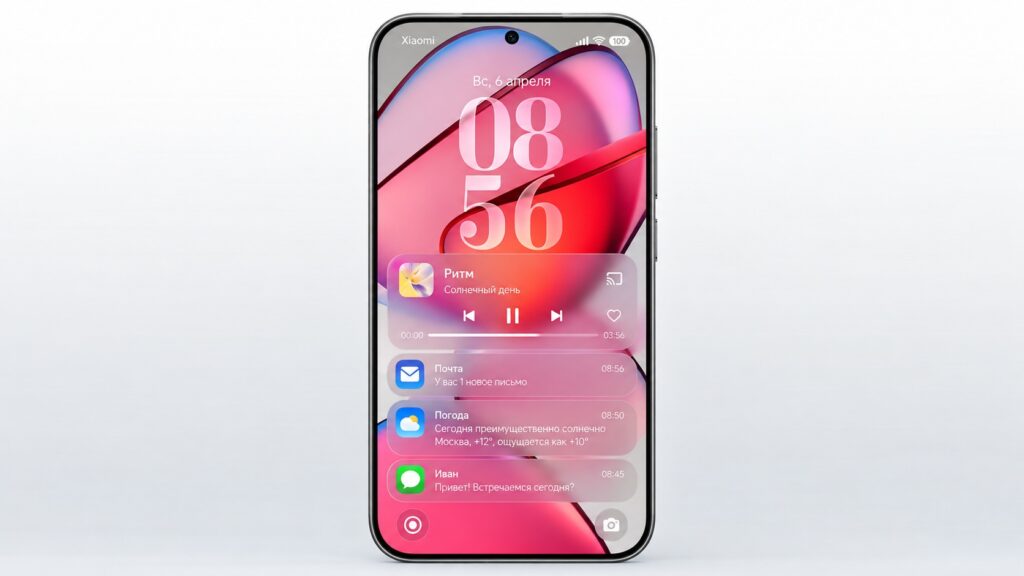
The new lock screen style in HyperOS 4
Notifications no longer appear as separate cards spread across the whole screen. Instead, they collapse into a vertical stack. The system can also separate the main subject of a wallpaper from its background and place the clock, date or text behind it. The result is a sense of depth similar to a magazine layout.
Calls and SMS codes on a second phone over the internet
Dual-Phone Syncing lets two Xiaomi, REDMI or POCO smartphones share incoming calls and one-time SMS codes in real time. It is aimed at people who carry two phones, such as a work phone and a personal one, or who leave a second device with a particular SIM card at home.
Unlike older forwarding methods, the phones do not need to be paired over Bluetooth or connected to the same Wi-Fi network. Syncing happens over the internet, so it works even when the phones use different mobile carriers.

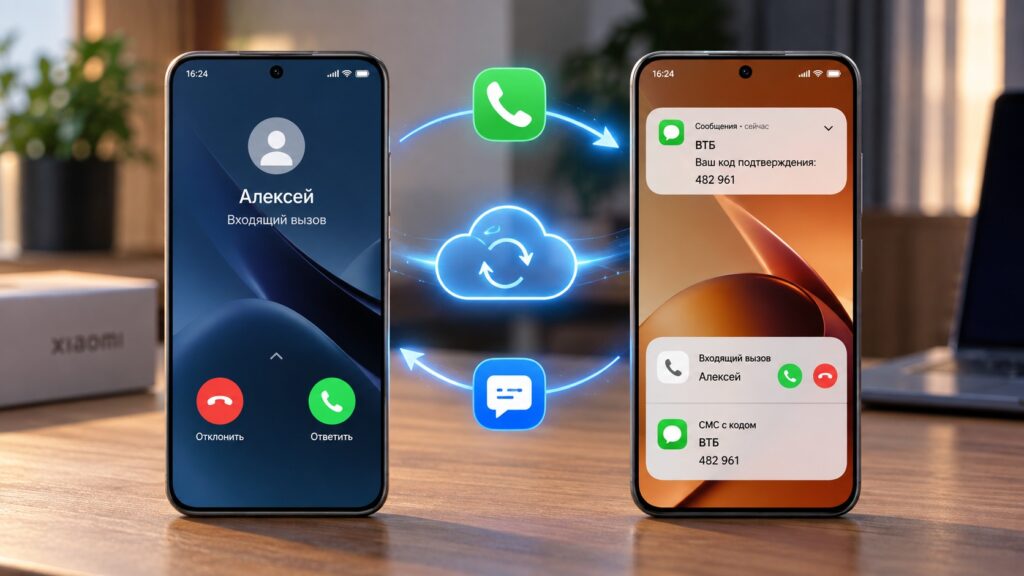
How Dual-Phone Syncing works on Xiaomi
Requirements and limitations
- Both devices must be signed in to the same Xiaomi account.
- The phone that receives calls and codes needs HyperOS 4. The phone that forwards them can stay on HyperOS 3.
- For now, the feature works only in China. Xiaomi may expand it to other regions, but no timeline has been given.
When HyperOS 4 arrives and how to install it
Xiaomi officially unveiled HyperOS 4 in China on August 13, 2026, and launched beta testing at the same time. On September 17, the company published a detailed stable release schedule on its Weibo account. The plan covers more than 100 devices, including smartphones, tablets, TVs and wearables. The update will roll out in six waves through January 2027.
That schedule applies only to China. Beta testing is already under way for the global market, and Xiaomi has promised to publish a stable update schedule for other countries later. The update is delivered over the air, with no computer or manual flashing required. Once the update reaches your model, the process is as follows:
- Back up important data and charge the phone to at least 50%.
- Make sure a few gigabytes of storage are free.
- Open Settings and go to About phone.
- Tap the HyperOS version card at the top of the screen. The system will check for an update.
- If an update is found, confirm the download and installation, then wait for the phone to restart.
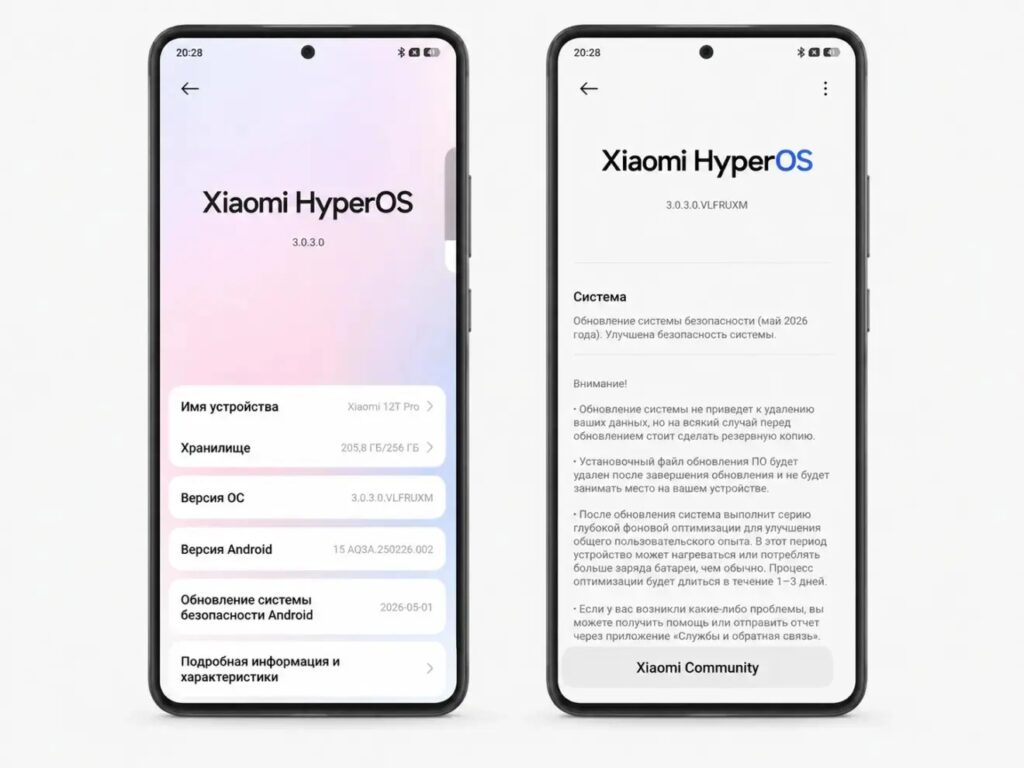
Installing an update on Xiaomi
Why not to flash Chinese firmware
Manually installing Chinese firmware to get the new features early is not a good idea. Doing so can easily cost you Google services and your warranty. In addition, some features, such as Dual-Phone Syncing, are tied to the Chinese market anyway. The more sensible option is to wait for the global schedule, which will show when the update arrives and which of these features remain in the international version.