It’s nice when manufacturers release new earbuds without resorting to marketing hype and pulling out the compliment cannon. You know all those phrases like “fantastic sound,” “incredible quality,” “perfect ergonomics,” and so on. That’s exactly what I like about the FreeBuds Pro lineup. They just gradually keep getting better and better without trying to convince us that now is definitely the time to buy. I’ve used every generation of these earbuds except the fourth, and a few weeks ago I bought the fifth. At first I had some questions about them, but now I understand who these earbuds are for and what the Moscow Conservatory has to do with it. They’re probably not needed for music you can create yourself for free through Gemini, but for any other music they definitely make sense, albeit with some caveats.
Good earbuds are not a rarity. But even among good ones, some are better in certain ways.
Earbuds with Lots of Ear Tips
Overall, nothing has changed in the packaging. It’s still the same small box. Everything is minimalist: cardboard without extra layers, the image and text are printed directly on the lid. Inside, the case with the earbuds sits securely in a cardboard tray, and underneath lies a tray with replacement ear tips and documentation.
The kit is honestly minimal, but it’s still richer than many competitors offer. Earbuds in a charging case, three additional pairs of silicone tips (L are already installed, and the box includes S, M, and XL) and paperwork. There’s no charging cable, and I’m fine with that: everyone has plenty of USB-C cables at home that they often don’t know what to do with.
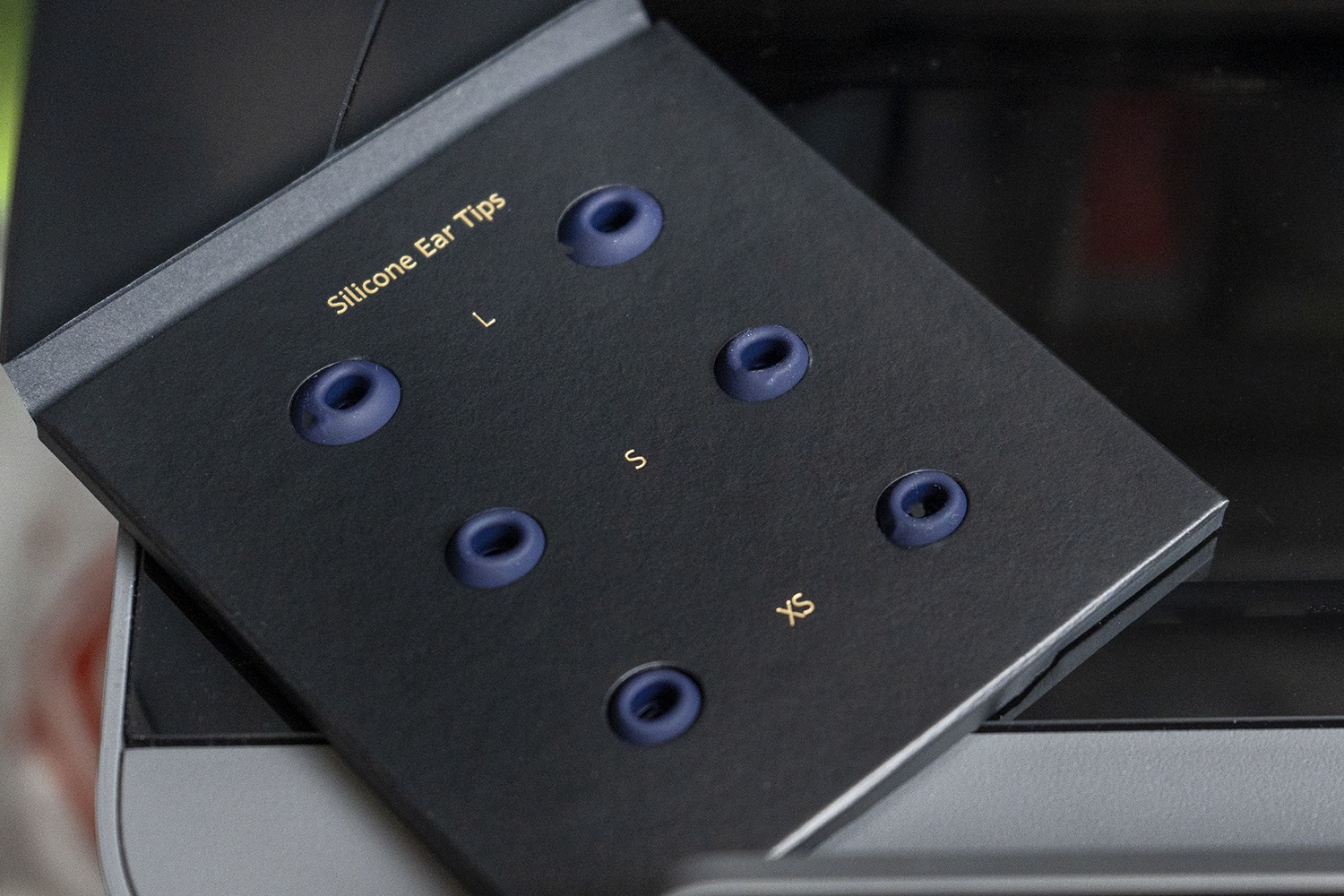
Three sets of ear tips in the box and one already on the earbuds.
However, foam tips with memory effect, which came with the Pro 4, are not included this time. For some, this might be a downside since foam provided better passive isolation. But the silicone tips do the job well, and four sizes allow you to find a fit for virtually any ear. The fit test system, which can be launched through the official app, will help with the selection.
Comfortable TWS Earbuds That Don’t Fall Out
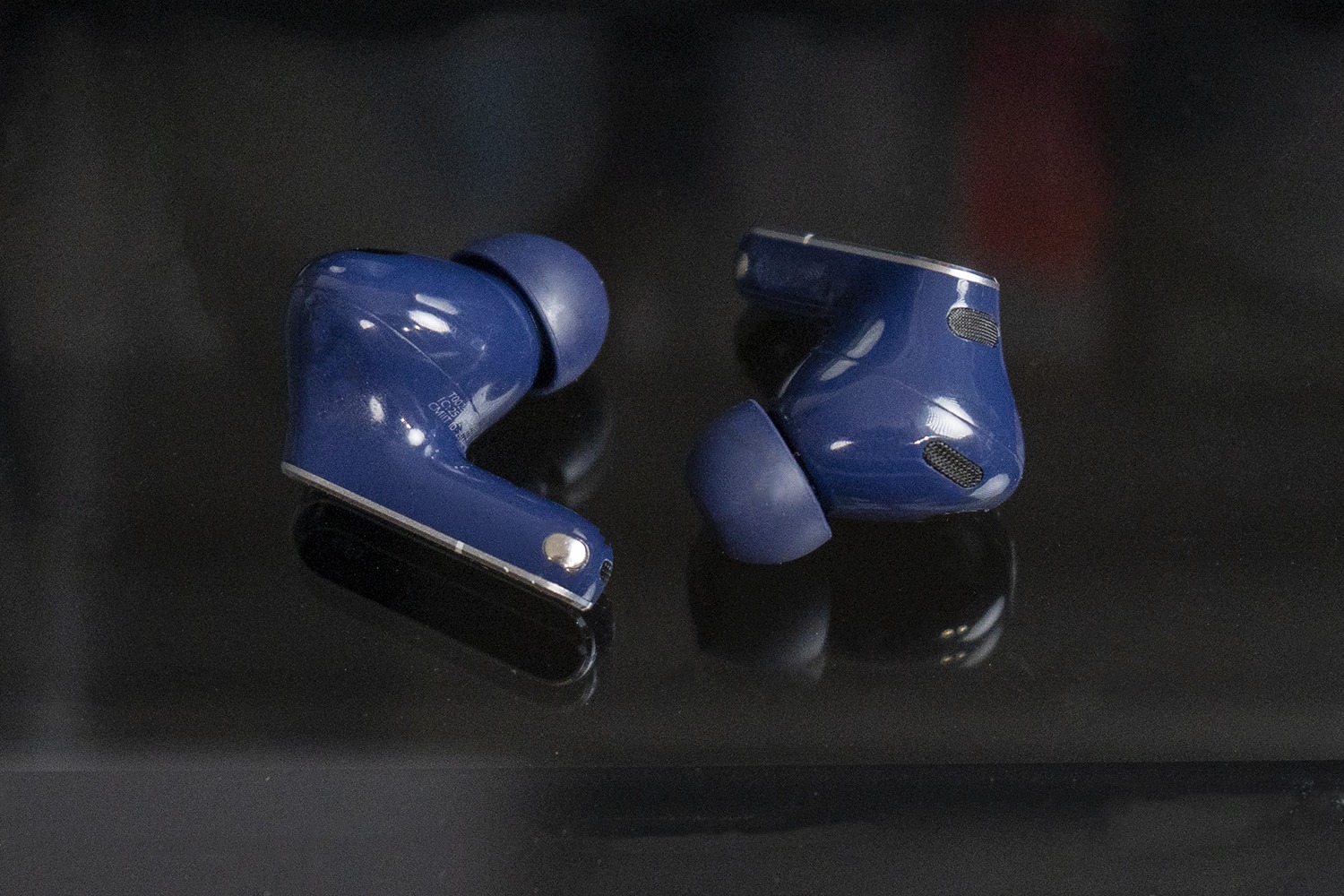
The first impression of the earbuds is pleasant. The design is familiar: a teardrop shape with a stem adorned with an oval ring featuring the HUAWEI SOUND logo. The stem has a metal frame, and it’s not just decoration. It functions as a full-fledged antenna that, according to the manufacturer, handles interference 38% better compared to the previous generation.
In practice, the connection range hasn’t changed much for me. When the phone is in my pocket and a backpack is on my lap, quality can sometimes drop and sound can cut out. But with other earbuds, the connection is often even worse. Let’s put it this way: AirPods definitely perform worse. Bluetooth 6.0 is also present here, and apparently these are one of the first TWS earbuds with this version.
The earbuds themselves are 10% more compact and 6% lighter than their predecessors. Each earbud weighs only 5.5 g, and they sit very snugly in the ear (if you choose the right tips). Huawei says they analyzed the structure of more than 10,000 ear canals when developing the shape. I didn’t verify this, but I believe it since I have no complaints about the fit. To make sure the fit is correct, as I already mentioned, you can run a special fit test in the HUAWEI Audio Connect app. For a few seconds, pleasant music will play while internal microphones detect whether there are any sound leaks due to poor seal.
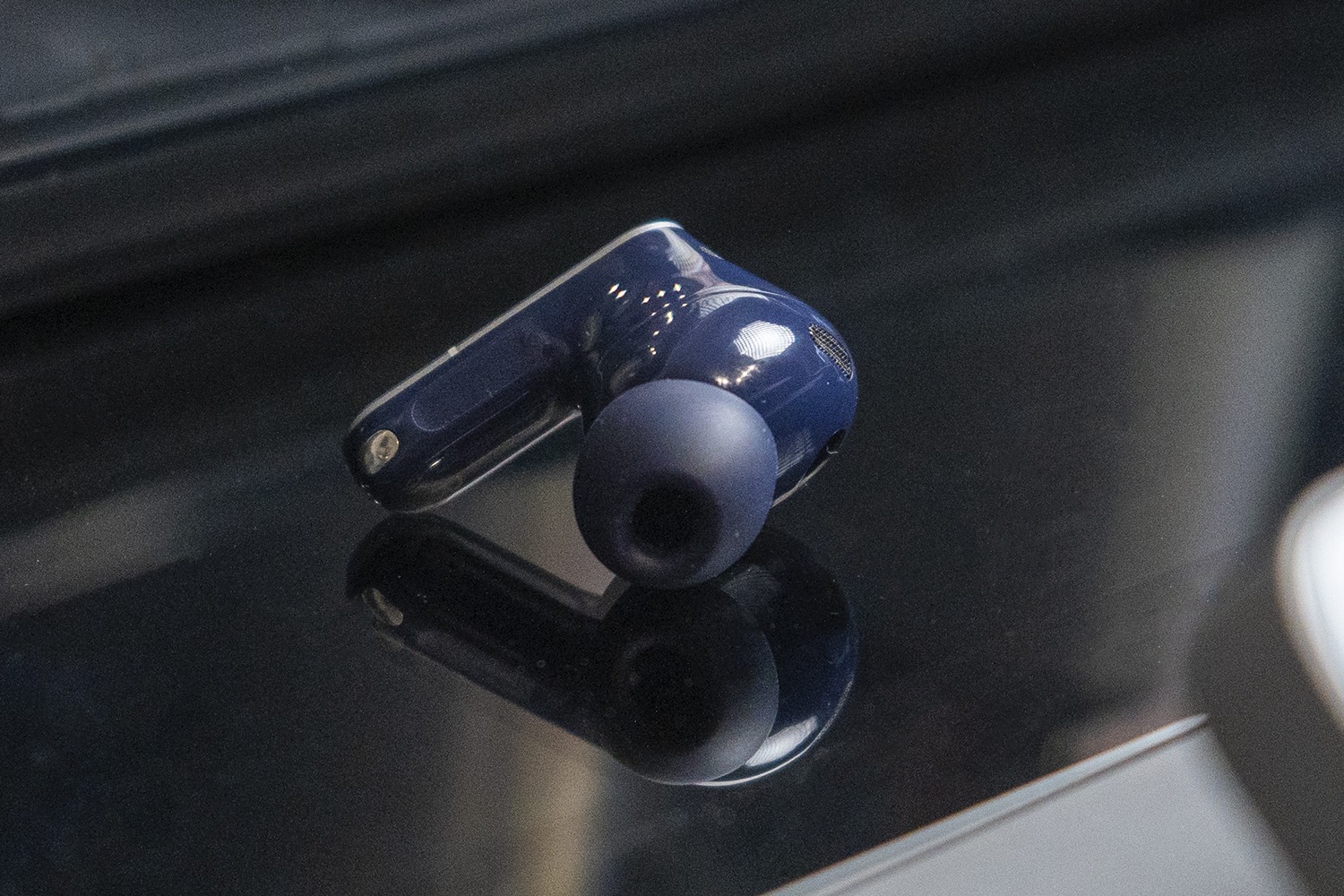
Each earbud weighs only 5.5 grams.
I chose the blue version because it visually stands out thanks to the leather-like coating on the case. This is a first in the lineup’s history. I’ll be honest: it doesn’t look like real leather — you can tell it’s plastic right away. But the case still feels nice to the touch, and the texture gives it character. Especially if, like me, you’ve already used previous generations of these earbuds and want something different. After all, the case shape has changed minimally. The most notable difference is the reduction in the outer part of the hinge.
Besides blue with the leather-like finish, there are also regular plastic cases — white, sand, and black. They have a smooth coating that doesn’t collect fingerprints. I’m not a fan of light-colored cases, especially gold ones, but I was choosing between blue and sand. At first, I thought the sand ones looked gold, but they’re closer to beige, and the shade looks very rich. But in the end, I bought the blue ones. I’ll just add that the case weighs 43 grams in regular colors and 46 grams in blue due to the coating.
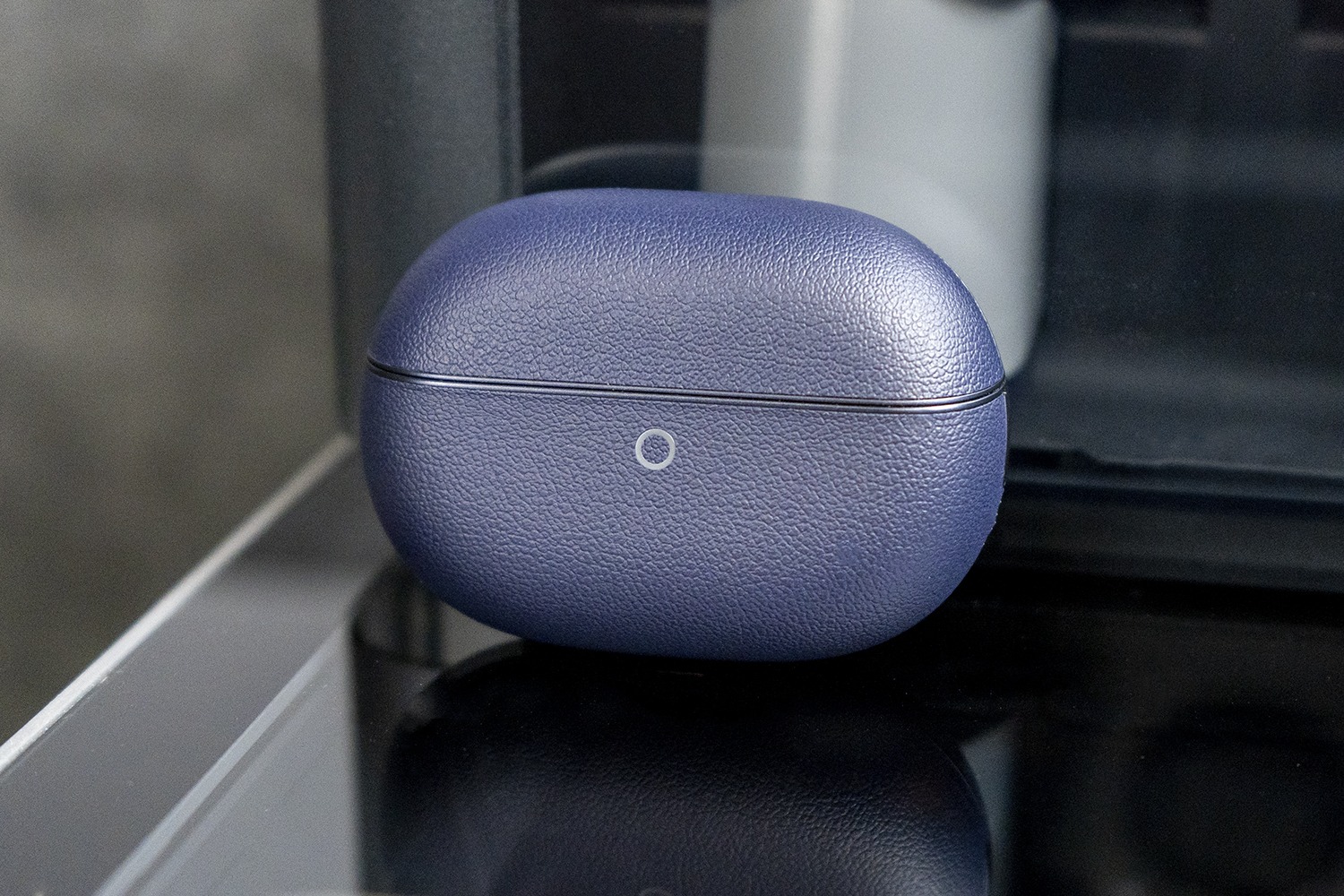
The blue case is three grams heavier, but it also looks more interesting.
The earbuds have IP57 protection, and the case has IP54. This means workouts in the rain and sweaty runs won’t be a problem for the earbuds. You shouldn’t swim with them, of course, but accidental splashes and dust are definitely not a concern. Inside the housing, in addition to the acoustics, there’s a whole set of sensors: an infrared sensor, gyroscope, accelerometer, bone conduction sensor, and pressure sensor. All of this is needed for proper gesture operation, auto-pause when removed from the ear, and those smart features I’ll talk about next.
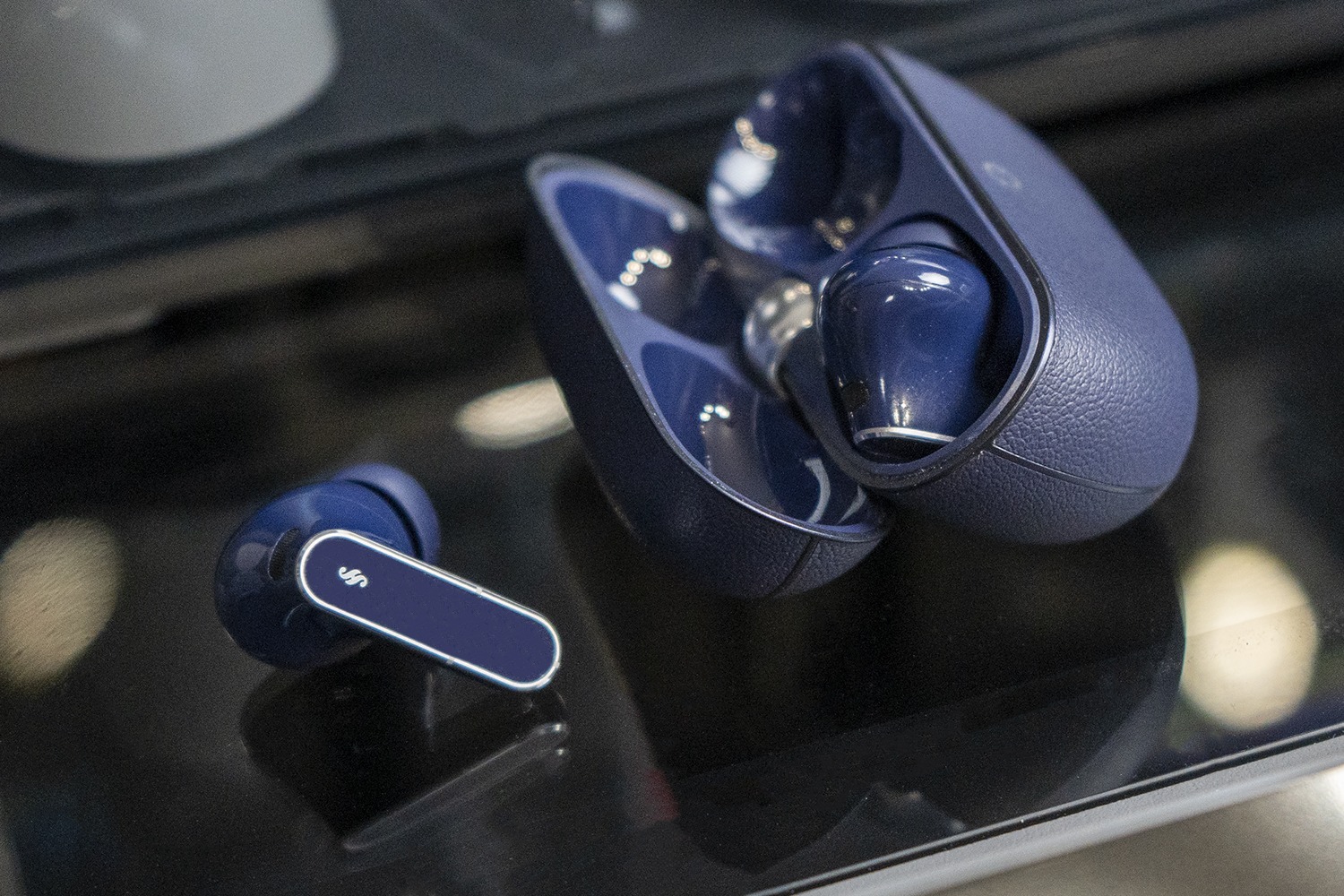
Water protection is present, but it’s minimal and shouldn’t be pushed.
How the HUAWEI FreeBuds Pro 5 Sound
Inside each earbud is a dual-driver system. An ultra-linear dynamic driver with two magnets handles the low and mid frequencies, while an ultra-thin micro-planar driver takes care of the upper range. The frequency range is stated as 10 Hz to 48 kHz when using compatible codecs. Plus, there are two separate DSPs and two DACs, each working with its own driver. This means the signal isn’t just split by a crossover — it’s processed separately from the very beginning of the digital chain.
In practice, the sound has become noticeably more powerful compared to previous generations. The bass here is fast and tight, without looseness; the mids are transparent; and the highs are detailed without being harsh. Overall, you can feel the signature sound style of the brand’s earbuds, which is why I chose them when I first tried the original FreeBuds. But there’s one nuance that initially puzzled me. Out of the box, the earbuds sound decent but not as good as I expected. Specifically out of the box.
TWS Earbuds for Rock Music
My previous FreeBuds Pro 3 played exactly right from the start, but here, to unlock the full potential, you need to go into the app and play with the equalizer. Once you enable one of the profiles or the adaptive equalizer, the earbuds start sounding completely different: more spacious, richer, with the right balance. Honestly, I think