Thirty seconds under running water isn’t that long, but your gut will thank you
Have you ever noticed that after washing dishes, plates are left with a barely perceptible slippery residue? Most of us don’t pay attention to this because the dishes look clean. But a new study has shown that invisible detergent residues on plates and glasses can seriously harm gut health. And we’re not talking about some exotic chemicals, but about the most ordinary dish soap that sits in everyone’s kitchen.
What Remains on Dishes After Washing
It might seem like rinsing a plate under the tap is all it takes. But chemistry doesn’t work that way. Modern cleaning products contain surfactants (surface-active agents) that are excellent at breaking down grease and grime. The problem is that these same molecules have the ability to cling to surfaces, forming the thinnest invisible film.
Even thorough rinsing with water doesn’t completely remove surfactants. Researchers from the Swiss Institute of Allergy and Asthma Research found that between 0.01% and 0.1% of the original detergent concentration remains on dish surfaces after standard washing and rinsing. By comparison, that sounds like a negligibly small amount. But if you eat from such dishes three times a day, every day, for months and years, the effect accumulates.
The main “working” components of dish detergents belong to the class of alkylbenzene sulfonates and ethoxylated alcohols. These substances by their nature destroy fat films. And our intestines are lined on the inside with a thin layer of mucus and cells whose membranes are made of fats. Simply put, what’s good for a dirty frying pan is not at all good for the intestinal lining.
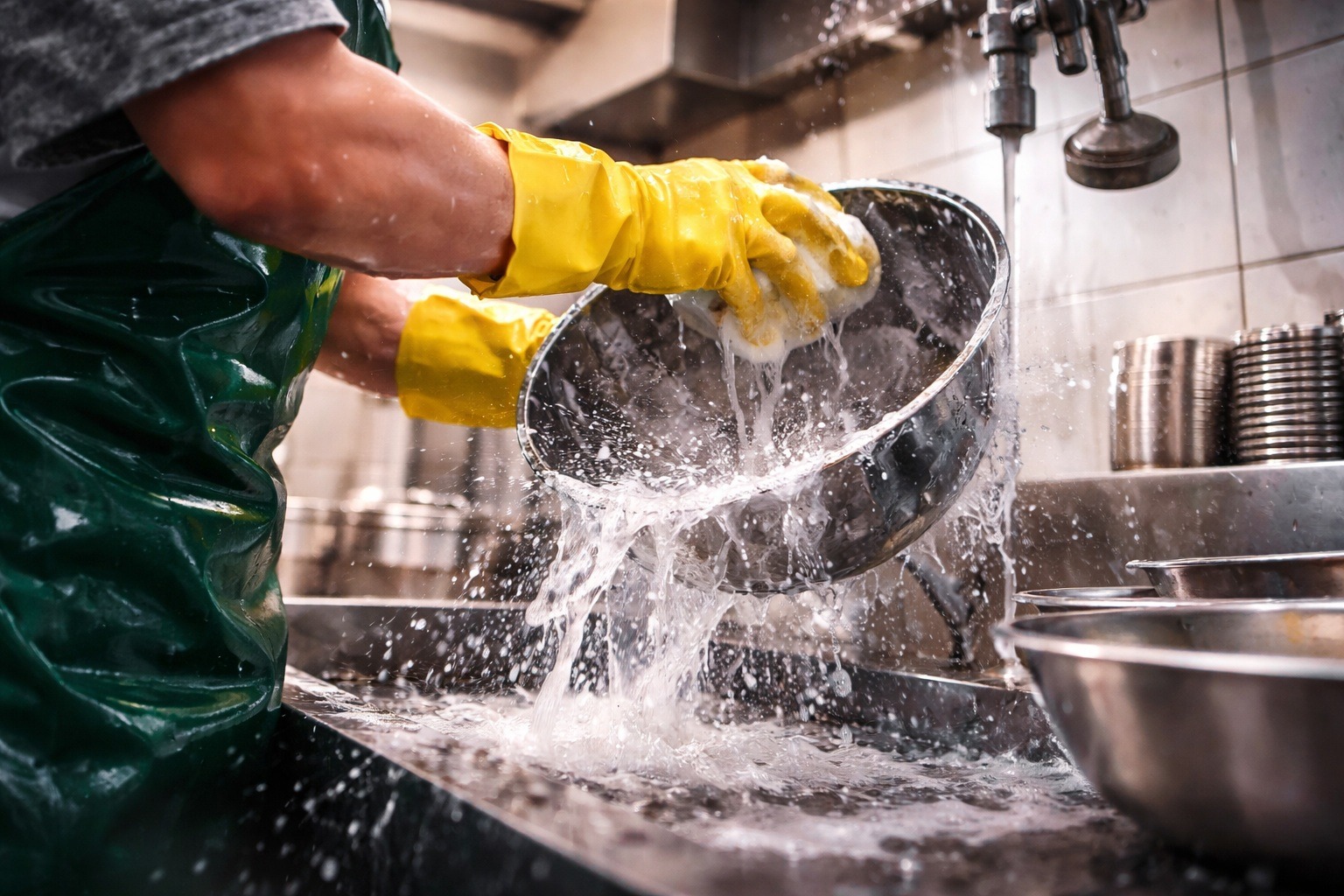
The dishes look perfectly clean, but an invisible chemical film still remains on them
How Detergents Harm Health
Scientists conducted a series of experiments using intestinal organoids — essentially mini-copies of the human intestine grown in a laboratory. These structures mimic the real epithelium with all its cells and barrier function. When the organoids were exposed to solutions of commercial detergents at concentrations that actually remain on dishes, the results were alarming.
Even heavily diluted surfactant solutions caused destruction of the epithelial barrier. Intestinal cells began to die, and the tight junctions between them — the very “locks” that prevent bacteria and toxins from passing from the intestinal lumen into the blood — weakened. This condition is called increased intestinal permeability syndrome in medicine, or as it’s often colloquially known, “leaky gut”.
But that’s not all. The researchers discovered that surfactants trigger inflammatory signaling pathways in intestinal cells. Levels of pro-inflammatory cytokines increased, including interleukin-6 and tumor necrosis factor. Essentially, every meal from a poorly rinsed plate can cause micro-inflammation in the gut. And chronic inflammation, as we know, underlies numerous diseases: from irritable bowel syndrome to autoimmune disorders.
How Gut Microflora Is Destroyed
The intestine is not just a tube for digesting food. It’s an entire ecosystem that is home to approximately 39 trillion microorganisms. For comparison, that’s more than the cells in our own body. And this microbiome is extremely sensitive to any chemical agents.
It turns out that surfactants from detergents possess antimicrobial activity even in negligible concentrations. They selectively suppress the growth of some bacteria and give an advantage to others. As a result, the fragile balance of microflora that took years to form is disrupted. Bifidobacteria and lactobacilli proved to be especially vulnerable — those very “good” bacteria that everyone tries to populate in their gut through yogurts and probiotics.
The study authors note that this effect is especially dangerous for children. In young children, the intestinal barrier is still immature, and the microbiome is only forming. Systematic exposure to even microdoses of surfactants at an early age can affect immune system development and increase the risk of allergic diseases. This, incidentally, may be one explanation for the so-called “hygiene hypothesis,” according to which excessive cleanliness in the home paradoxically increases the number of allergy sufferers.
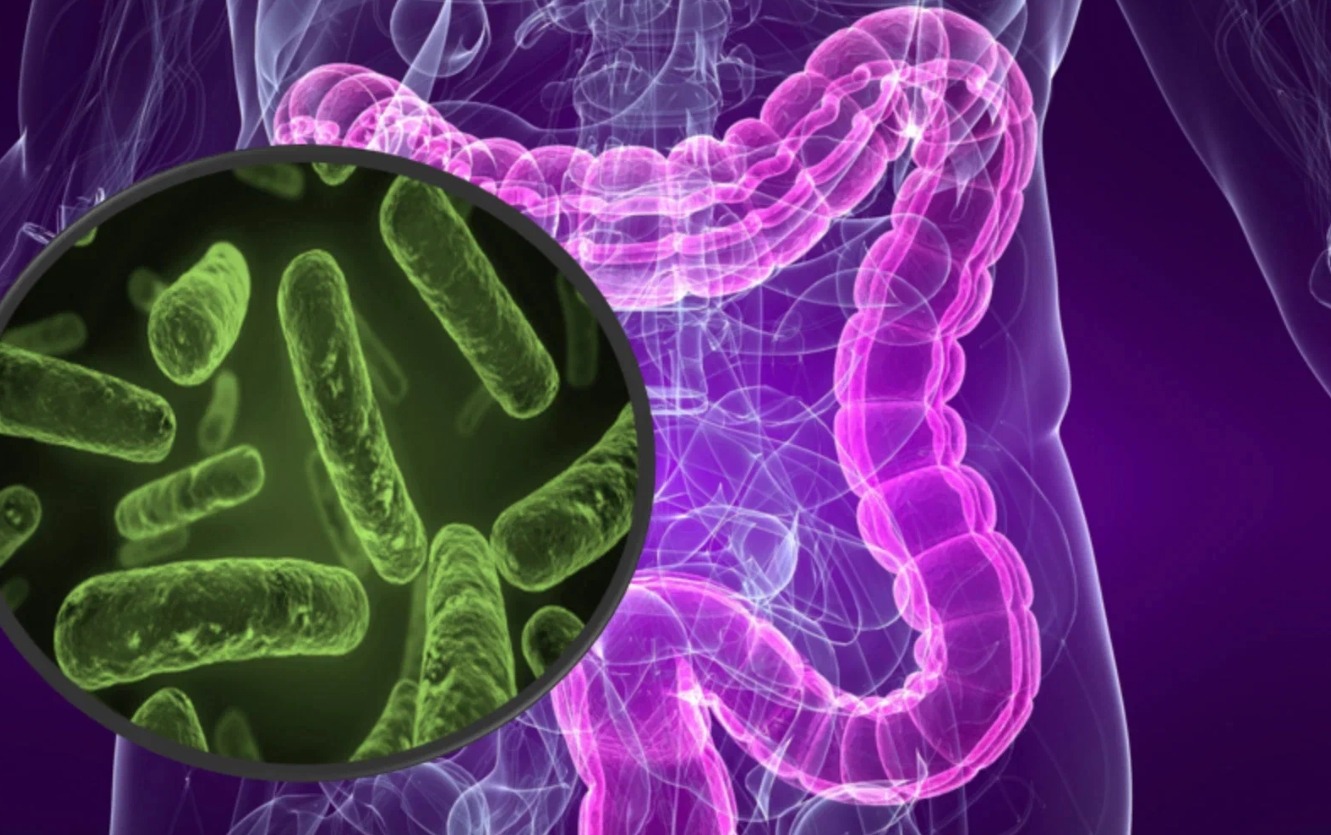
The gut microbiome is like a tropical forest. Remove a few key species, and the whole system starts falling apart. Image source: winbiota.com
How to Properly Wash Dishes to Reduce Harm
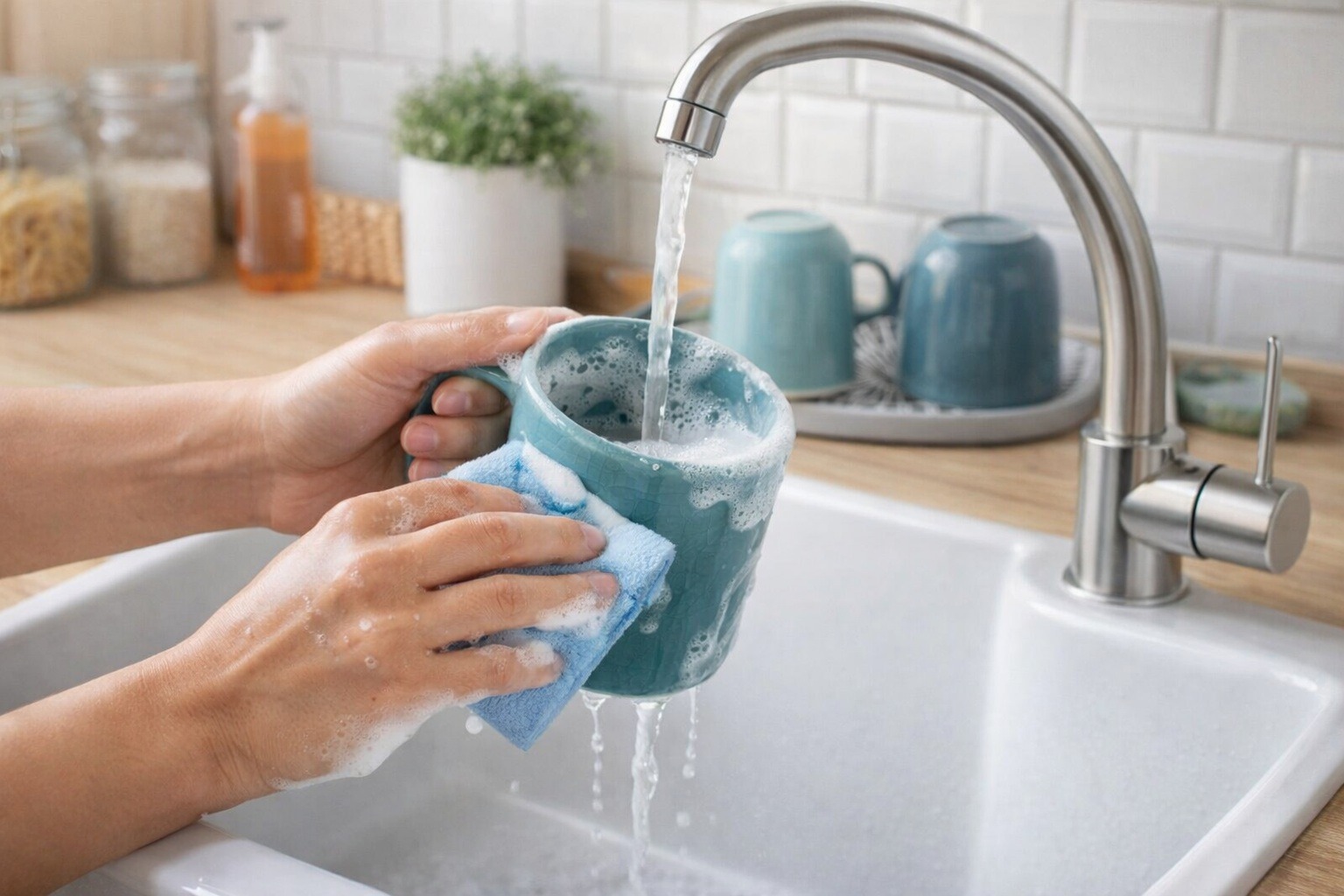
There’s no need to panic and switch to disposable plates, of course. But a few simple habits can truly reduce the risk. The main rule: rinse dishes more thoroughly than you think necessary. Researchers recommend rinsing each item under running water for at least 30 seconds.
A few more practical tips:
- Use a minimal amount of detergent. For a standard load of dishes, one or two drops are enough, not the generous portion shown in commercials.
- Don’t soak dishes in detergent solution for hours. Prolonged contact increases the persistence of surfactants on the surface.
- Pay attention to the ingredients. Products labeled “eco” or “biodegradable” often contain less aggressive surfactants based on sugars or coconut oil.
- If you use a dishwasher, run an additional rinse cycle, especially for children’s dishes.
As for dishwashers, the situation is twofold. On one hand, they rinse dishes with a larger volume of water than most people do by hand. On the other hand, dishwasher tablets contain even more concentrated surfactants and additionally include rinse aids that themselves leave a chemical film on dishes for “shine.” So there’s no perfect option, but a mindful approach certainly helps.
This research reminds us that health threats sometimes hide not in exotic viruses or suspicious street food, but in the most familiar household rituals. We’ve been washing dishes for decades without thinking about the chemical traces left on them. Now that science has drawn attention to this, it’s worth at least starting to rinse plates better. It’s a small thing, but for your gut, it could make all the difference.