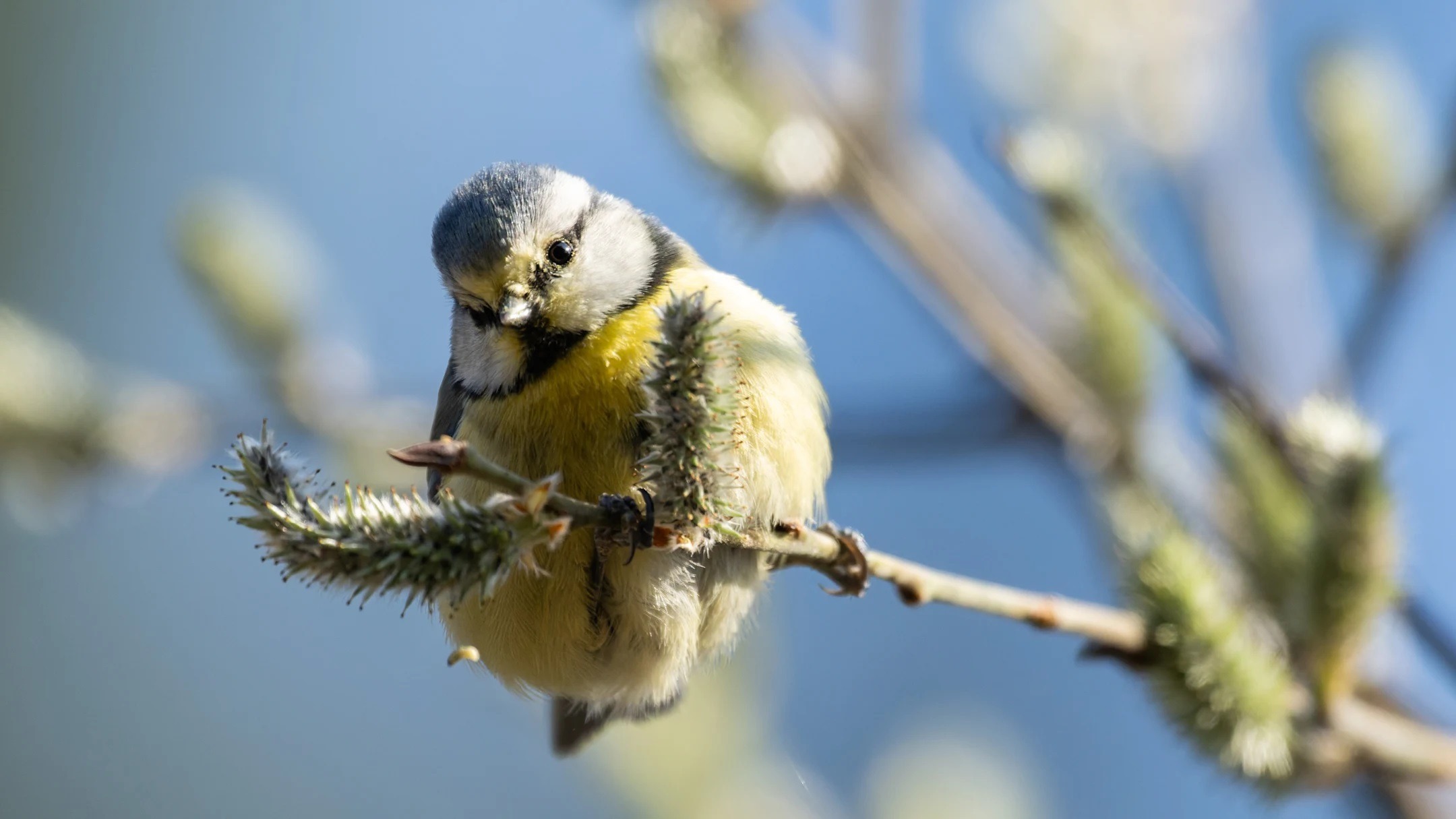
Birdsong and buzzing insects are sure signs that spring is near.
When days grow longer and nights grow shorter, it’s not only us who respond to these changes. All of nature around us — from migratory birds to beetles sleeping underground — is attuned to subtle seasonal cues. Biologists even have a special word for these natural “time sensors” — zeitgeber (from the German Zeitgeber — “time giver”). Light, temperature, and day length calibrate the biological clocks of all living things and set off a chain of events that unmistakably signal: spring has truly arrived. Here are five of the most noticeable signs.
Spring Bird Migration: Which Birds Arrive First in Spring
The changing of seasons triggers one of the most massive natural phenomena — annual migration. In spring, birds that wintered in warm tropical regions begin moving back toward temperate latitudes to breed. The scale of this migration is staggering: during the spring migration period, bird numbers are counted in the billions.
The return happens in waves. The hardiest species arrive first — robins, thrushes, and starlings. They are followed by swallows, orioles, warblers, and other songbirds that wait for more stable warmth. In Russia, the pattern is similar: whooper swans are among the first to appear in their home territories, followed by cranes, swallows, cuckoos, and nightingales.
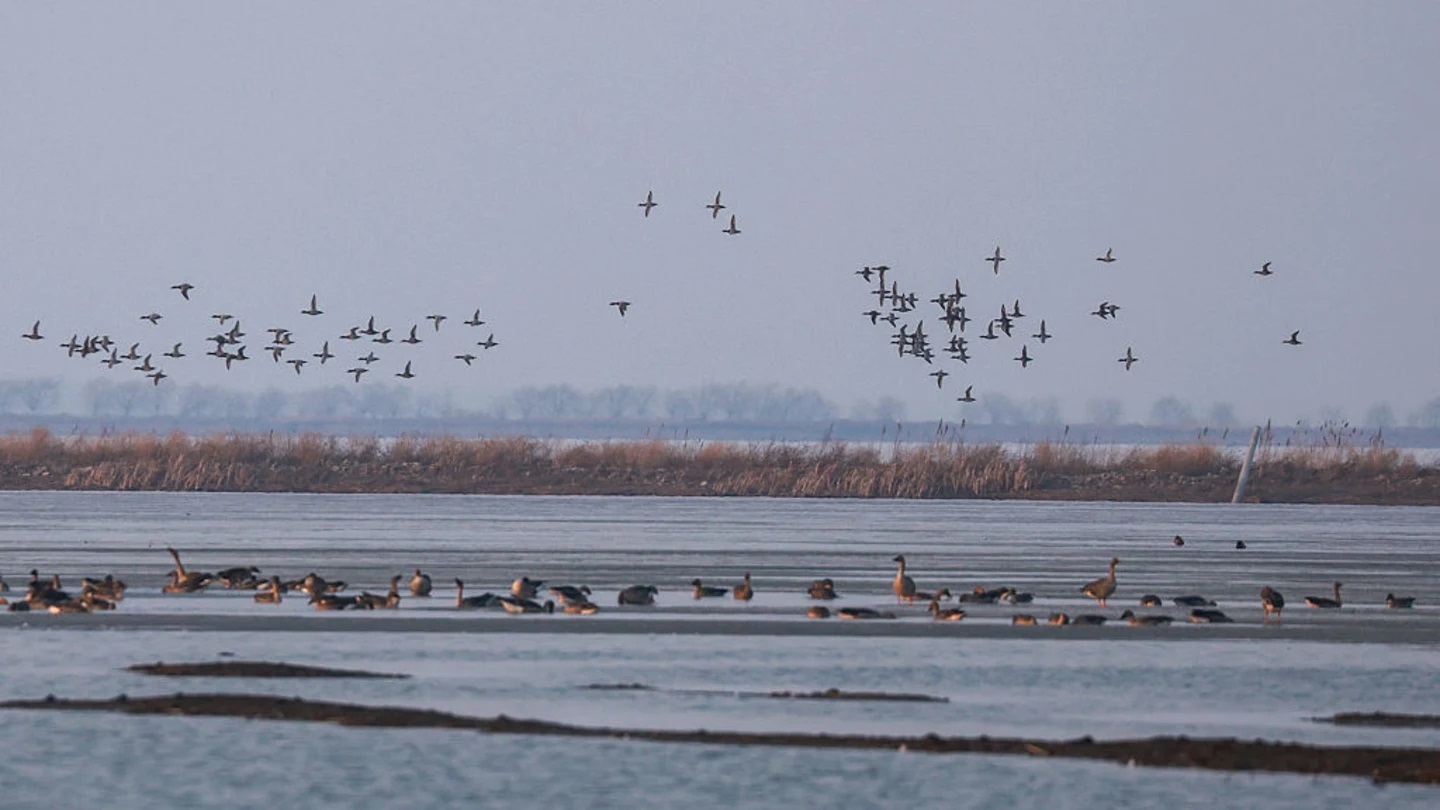
A flock of migratory birds over a lake in early spring
Interestingly, birds’ spring routes often differ from their autumn ones. In spring, birds tend to fly over land, where food is more plentiful at that time, while in autumn they frequently take shortcuts over water. This isn’t just instinct — it’s a strategy honed over millennia of evolution: birds are also remarkably precise at knowing where to fly, even over enormous distances.
Which Flowers Bloom First in Spring and Why
Spring flowers don’t all appear at once — their blooming is spread across several months, and this is no coincidence but an evolutionary strategy. Different plants respond to different seasonal signals: soil temperature, day length, the accumulation of a certain number of cold hours over winter (a process scientists call vernalization) — and they literally know when it’s time to bloom.
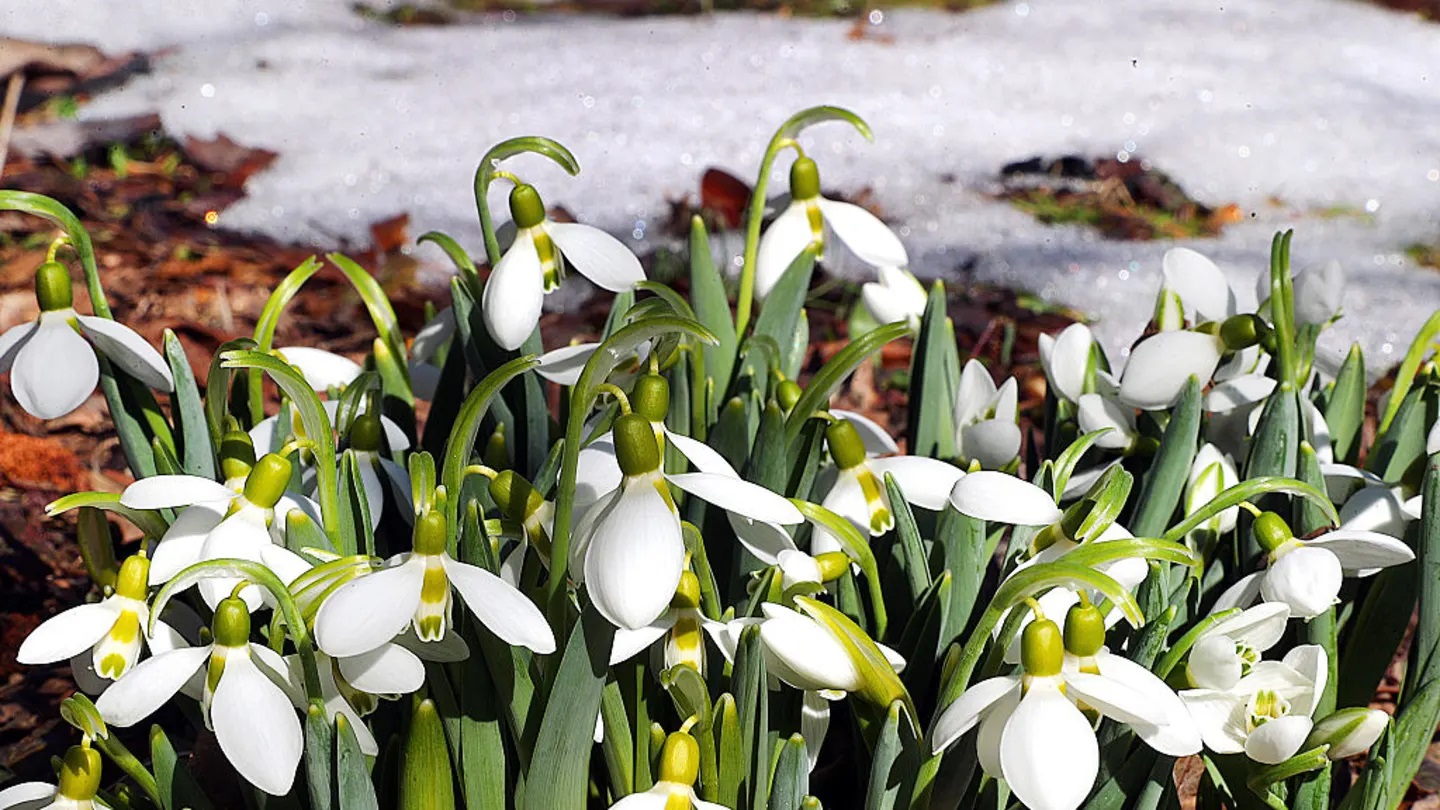
The earliest flowers — snowdrops and crocuses — can grow at soil temperatures that are still too cold for other plants. Why do they do this? Early bloomers have a huge advantage: they manage to capture sunlight before large trees and shrubs unfurl their leaves and create shade. For low-growing plants near the ground, these few weeks of open sky mean everything.
A flock of migratory birds over a lake in early spring
The next wave includes daffodils, azaleas, and daphne. Toward the end of March, cherry trees bloom, and in April — tulips. This sequence benefits not only the plants themselves: it helps avoid competition for pollinator attention. If all flowers bloomed at once, bees and bumblebees simply wouldn’t have enough “hands” to go around.
Why Birds Sing Loudly at Dawn in Spring
If you wake up on an early spring morning and hear an entire bird orchestra outside your window — it’s no accident. The phenomenon is called the “dawn chorus,” and it’s especially prominent from mid-March through May. Some birds sing year-round to defend their territory, but many “switch on their voices” specifically in spring, when mornings become brighter and warmer.
The morning chorus grows even louder and more complex when migratory species returning from their wintering grounds join the local birds. But why do birds sing specifically at dawn, and why does this chorus become especially noticeable in spring?
Scientists don’t offer a single definitive answer, but they highlight several likely reasons:
- Morning air is cooler and calmer — there is less turbulence, and sound travels farther.
- Background noise — from insects, wind, and human activity — is at its minimum at this time, making it easier to “deliver” a song to its intended audience.
- Males use this to demonstrate to rivals: “I survived the night, I’m here, and this territory is mine.”
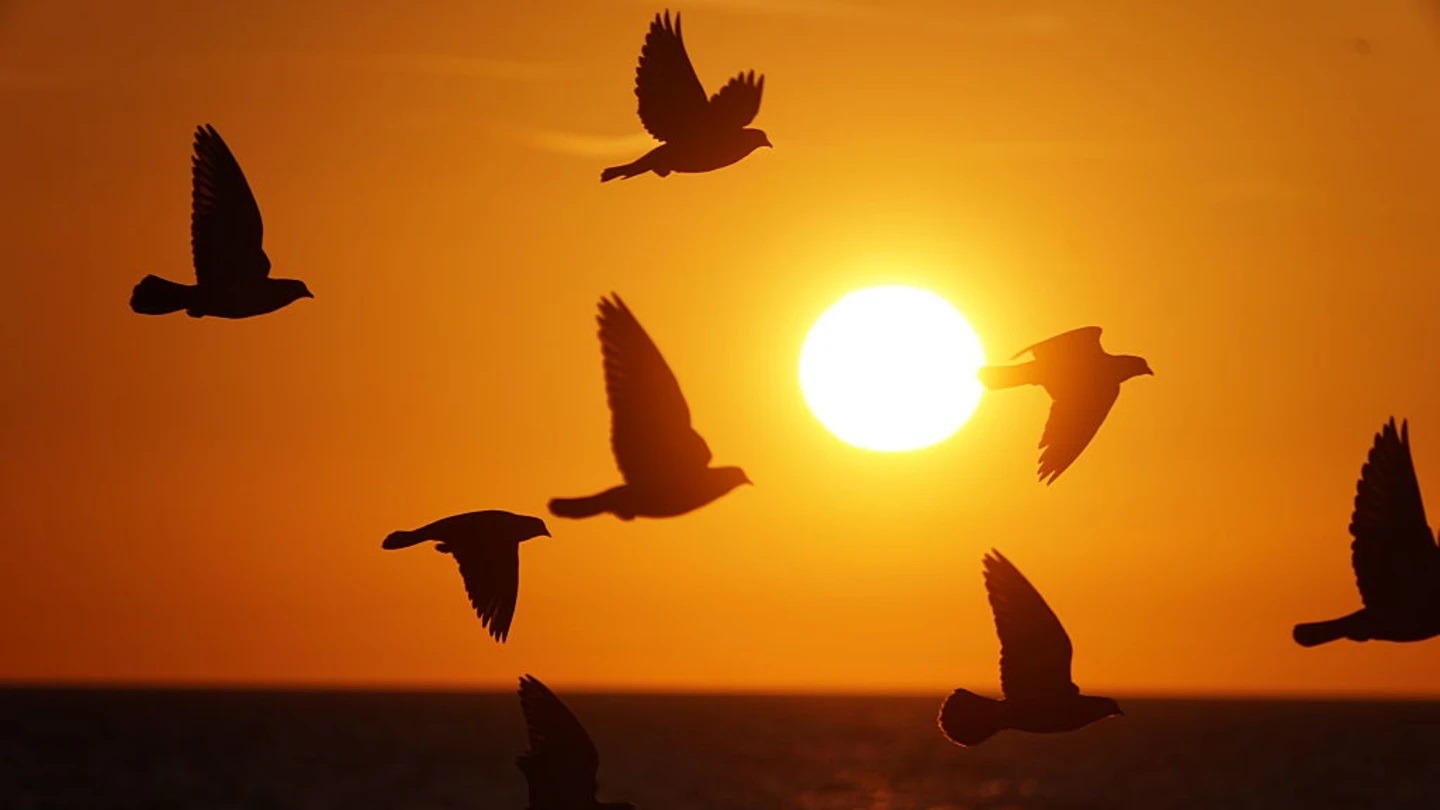
Birds flying at dawn
The farther north you go, the later in the season the chorus begins. In the United Kingdom, for example, birds can start singing as early as three in the morning at the start of summer. So if you wake up before your alarm on a spring morning to birdsong — consider it nature’s official confirmation: winter is over.
When Do Insects Wake Up After Winter and What Does It Depend On
In winter, insects don’t just “hide” — many of them enter a special state called diapause (a deep physiological dormancy in which metabolism drops to a minimum). This is not ordinary sleep: an insect can spend several months in diapause while barely expending any energy. Some species burrow deep into the soil, others tuck themselves under tree bark, into thick layers of fallen leaves, or even into the cracks of our homes.
When the soil and air warm up, these creatures begin to emerge from their shelters — and this is one of the most vivid signs of spring. Among the first to “wake up” are bee and wasp queens, mourning cloak butterflies, ladybugs, and shield bugs. As the soil warms further, ant colonies come alive, and beetle pupae that overwintered underground begin transforming into adults. Each species has its own schedule for when it awakens after winter, and it depends on warmth and day length.
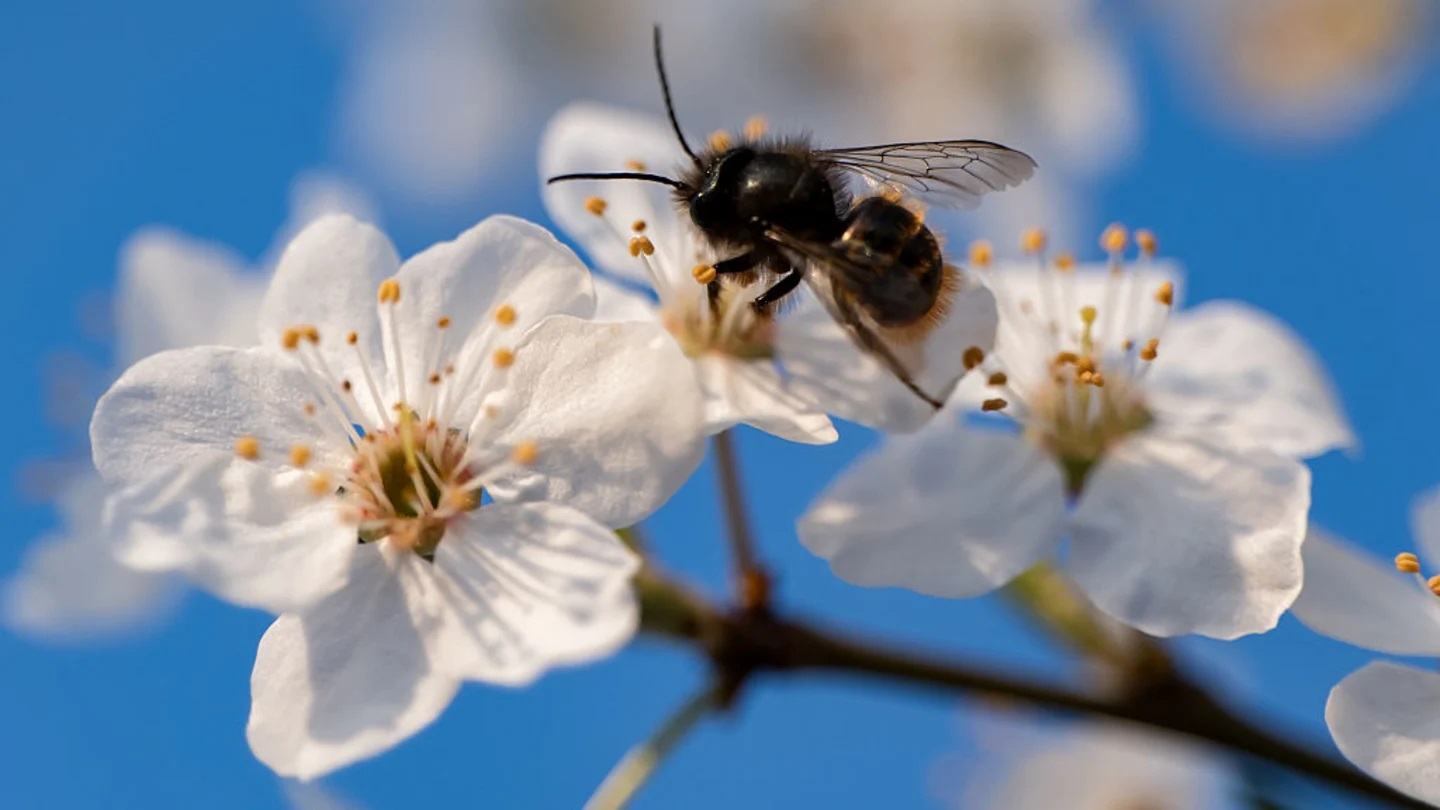
A bee on a white flower
Interestingly, the signal for diapause in insects is not so much temperature (which is too unpredictable) as the length of daylight — a more stable and reliable indicator of seasonal change. Warmth, however, serves as the “alarm clock” in spring: rising temperatures kickstart metabolism, and life returns.
Why Animals Start Looking for Mates in Spring: The Breeding Season
Lengthening daylight and rising temperatures trigger a powerful hormonal shift in many animal species — the drive to reproduce. Biologists even have a beautiful word for this phenomenon: vernallagnia — spring “infatuation” in the animal world. This is especially noticeable in species that lead solitary lives for most of the year.
A striking example is herons. Normally, they are reserved, solitary birds that silently hunt along the banks of rivers and lakes. But in spring, they begin to form pairs and gather in noisy nesting colonies — so-called heronries. The same happens with birds of prey — hawks and eagles, which fiercely defend their territory from any fellow species the rest of the year.