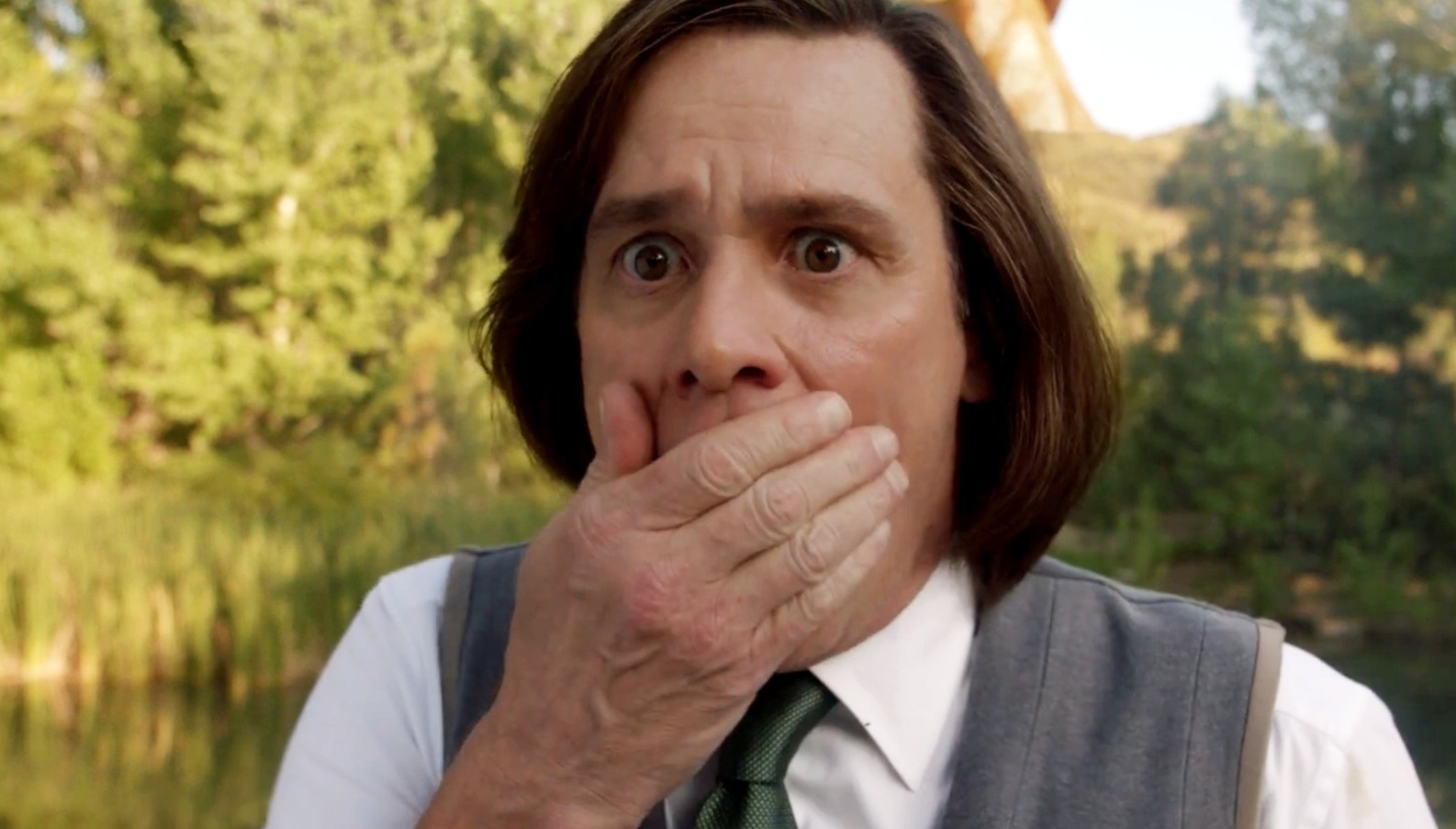
In some cases, hiccups are a reason to see a doctor. Still from the series “Kidding”
Hiccups aren’t just something funny — they’re a full-blown neurological glitch. During hiccups, the brain commands the diaphragm and intercostal muscles to contract so sharply and convulsively that the lungs grab a huge portion of air in a split second. And to keep you from bursting like a balloon, the larynx frantically closes off the airways, creating that characteristic “hic” sound. But why does the body suddenly decide to put on such a show, and most importantly, how can you make it stop in seconds instead of suffering for half an hour?
What Are Hiccups?
Hiccups are a reflex. You can’t control them, just like you can’t stop yourself from blinking when a speck of dust flies into your eye. It all starts with the diaphragm — the muscle that separates the chest cavity from the abdomen. When something irritates it, it contracts sharply. You take an unexpected, convulsive breath, but at that very moment the larynx closes off the airways so you don’t choke on air. The impact of air against the closed vocal cords produces that familiar “hic” sound. The body essentially trips over nothing. And usually it passes quickly. But sometimes it doesn’t.
Why Do People Get Hiccups
The causes of hiccups fall into two major groups. The first is physiological hiccups. They occur in healthy people, last from a few seconds to a couple of hours, and go away on their own. They are triggered by:
- Overeating or eating too fast — the stomach stretches and presses on the diaphragm from below;
- Carbonated drinks and alcohol — they stretch the stomach and irritate nerve endings;
- Food that is too hot, cold, or spicy — sudden temperature changes or excess spices hit the receptors;
- Stress and fright — the nervous system malfunctions, and the respiratory center receives chaotic signals;
- Hypothermia — the body tries to warm up through muscle contractions, and the diaphragm gets caught up in them.
The second group is hiccups as a symptom. If episodes recur regularly, last for days, or appear without an obvious cause, they may be hiding an underlying condition. Most commonly, the problems lie in:
- The stomach and esophagus — gastritis, ulcers, and hiatal hernia directly irritate the very areas responsible for the respiratory reflex;
- The nervous system — stroke, traumatic brain injuries, and tumors disrupt the transmission of impulses from the brain to the diaphragm;
- The lungs and pleura — inflammation of chest tissues makes breathing movements irregular;
- Diabetes — when glucose levels spike, nerve conductivity suffers, and the diaphragm starts living a life of its own;
- Kidney failure — toxins that accumulate in the blood irritate the nervous system, including the respiratory center.

Hiccups often occur because a person eats too quickly
How to Quickly Stop Hiccups
If hiccups are physiological — meaning you simply overate, got cold, or drank too much — you can deal with them in a couple of minutes. The main principle behind all methods is to redirect the nervous system or change the pressure on the diaphragm. Here’s what actually works:
- Holding your breath. Take the deepest breath you can and don’t exhale for as long as possible. It’s best to repeat this 2–3 times. Carbon dioxide accumulates in the blood, and the respiratory center switches to the pressing task of exhaling rather than hiccupping;
- Slowly drinking water. In small sips, without rushing. When you drink, the stomach stretches and presses on the diaphragm, returning it to its normal position. You can try drinking from the opposite edge of the glass — this requires leaning forward, which creates additional muscle tension;
- Warming up. If hiccups started in the cold, drink warm tea or simply wrap yourself in a blanket. The diaphragm will relax along with the rest of your muscles;
- Clenching your fists. Sudden tension in your hand muscles redirects the nervous system’s attention from chaotic diaphragm contractions to a conscious effort. Sometimes this is enough to break the reflex;
- Exhaling through a closed nose. Hold your breath, pinch your nose, and try to exhale. This creates pressure in the chest cavity that normalizes the function of the vagus nerve — one of the key players in the process.
When Hiccups Become Dangerous
You should only try to stop hiccups on your own if you’re certain they were caused by food, cold, or stress. If an episode lasts more than two hours, recurs several times a week, or appears without any triggering factors — it’s time to see a doctor.
There is no hiccup medication in the home medicine cabinet. If the cause is a disease, a doctor will prescribe treatment targeting the specific problem: gastritis, diabetes, or a nervous system disorder. Taking medications on your own is both useless and dangerous — you could mask the symptoms of an illness or harm your body.
Hiccups are most often a harmless but annoying signal from the body. In most cases, drinking some water or holding your breath is enough to forget about them. But if the signal repeats too often, it shouldn’t be ignored. The body doesn’t hiccup for no reason.