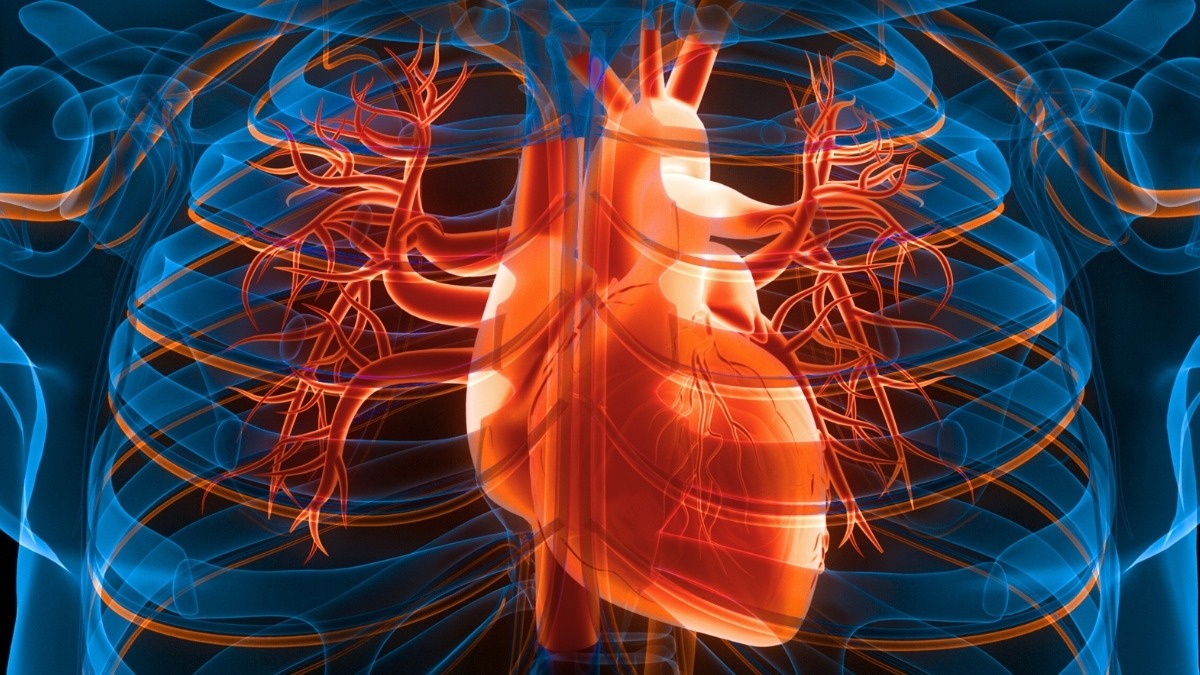
A brisk walk in the park is one of the most accessible ways to support heart health
Just three new habits in your life may be enough to significantly reduce the risk of heart attack, stroke, and heart failure. A major new study has shown that even modest changes in several aspects of lifestyle work more effectively than a heroic effort in just one area. Let’s break down what exactly the scientists found and why this concerns virtually everyone.
Simple Prevention of Heart Attack and Stroke
Cardiovascular diseases remain the number one killer worldwide. According to WHO data, approximately 19.8 million people die from them each year. More than four out of five such deaths are due to heart attack and stroke, with a third of them being premature — in people under 70.
Doctors have long known that sleep, diet, and physical activity each individually affect heart health. But until now, few have studied how a combination of small changes in all three areas simultaneously works. This is exactly the gap that researchers from the University of Sydney set out to fill: their work became the first to seek the minimum and optimal combination of sleep, physical activity, and diet for reducing the risk of serious cardiovascular events.
The idea is simple: instead of forcing yourself to run for an hour or radically changing your diet, you can take several small steps — and achieve a noticeable cumulative effect. The study results were published in the scientific journal European Journal of Preventive Cardiology.
How to Reduce Heart Attack Risk
The scientists used data from a subsample of the UK Biobank — a large-scale cohort study in which more than 500,000 adults aged 40–69 were enrolled between 2006 and 2010. The final analysis included more than 53,000 participants who were followed for eight years.
Sleep duration and physical activity were recorded using wearable tracker devices, while diet quality was assessed through a detailed dietary questionnaire. Over the eight years of observation, 2,034 serious cardiovascular events were recorded.
The key finding: an additional 11 minutes of sleep, 4.5 minutes of moderate or vigorous physical activity, and a quarter cup of vegetables per day were associated with a 10% reduction in the risk of heart attack, stroke, and heart failure. It’s important to understand that these are not absolute figures “from zero,” but additions to what a person is already doing.
Ten percent is the “entry threshold” — the minimum set of changes. And for those ready to do more, the scientists calculated the optimal combination of habits:
- Sleep: 8–9 hours per night;
- Physical activity: 42 minutes or more of moderate or vigorous exercise per day;
- Diet: a quality diet high in vegetables, fruits, fish, whole grains, and plant oils, with minimal processed meat, refined grains, and sugary drinks
This combination was associated with a 57% reduction in the risk of serious cardiovascular events compared to people whose lifestyle was the least healthy.
What does “moderate or vigorous exercise” mean? It doesn’t necessarily mean the gym. Brisk walking, climbing stairs, carrying groceries from the store — all of this counts. 42 minutes a day sounds like a lot, but if you add up all the active episodes throughout the day, the number turns out to be quite achievable.

A diet rich in vegetables, fish, and whole grains is part of the optimal combination for heart health
Why a Combination of Habits Works Best
Sleep, diet, and activity are not three isolated factors. They are closely intertwined. Regular physical activity improves sleep quality, and good sleep increases motivation to move and eat better. It creates something like a positive feedback loop.
We showed that combining small changes in several areas of life can have a surprisingly large positive impact on cardiovascular health. This is encouraging because several small simultaneous changes are likely easier to implement and maintain than one radical change,” notes lead study author Nicholas Koemel.
In other words, small combined behavioral changes turn out to be more achievable and sustainable than attempting to make a major leap in one direction — for example, suddenly starting to run every morning.

Sleep data in the study was collected using wearable devices
What the Study on Sleep and Heart Attack Doesn’t Yet Prove
Before rushing to change your routine, there are several important caveats to consider. This is an observational study: it shows a correlation — an association between habits and risk — but does not prove a cause-and-effect relationship. The scientists accounted for many confounding factors such as age, sex, smoking, and alcohol consumption, but completely ruling out the influence of hidden variables is impossible.
Additionally, the UK Biobank is not a perfect cross-section of the population: its participants are on average healthier, wealthier, and smoke less than the general population. This is the so-called “healthy volunteer” effect. Nevertheless, it is believed that the identified associations between factors and diseases can be broadly generalizable, even if the participants are not fully representative.
Another nuance is that diet was assessed using a single questionnaire rather than a long-term food diary, which introduces a certain margin of error. None of this invalidates the result, but it requires caution in interpretation: this is not a “recipe for health” but a statistical guideline.
Tools for Heart Attack and Stroke Prevention
The authors plan to build on their findings by creating digital tools that will help people gradually change habits and form a sustainable healthy routine. They are talking about apps and trackers that will suggest specific small steps — specifically in combination, not individually.
For cardiology, this is an important signal. Most recommendations for preventing heart attack and stroke boil down to ambitious statements: “move more,” “eat right,” “sleep enough.” But few say what minimum set of changes already brings tangible benefits. This study provides a specific threshold — and it turns out to be surprisingly low.
Of course, 11 minutes of sleep or a quarter cup of vegetables by themselves sound almost laughable. But the point of the study is not that these specific numbers are magical, but that simultaneous small improvements in several habits add up and produce an effect that you won’t get by focusing on just one thing. For people over 40, men and women with a family history of cardiovascular problems, this is perhaps the most encouraging news: you can start today, and you can start small.