It seems like charging a smartphone is the simplest thing ever. You plug in the cable, wait until it hits 100%, and keep using it. Modern phones are indeed capable of protecting themselves from overheating, overcharging, and other problems. But that doesn’t mean you can charge them under any conditions. There are situations when you shouldn’t charge your phone, and sometimes it’s even dangerous. In the best case, the battery will wear out faster; in the worst case, you can get severe overheating, battery swelling, or even device damage. Below are the most common cases when you shouldn’t charge your smartphone.
Let’s figure out in which cases charging is contraindicated for your smartphone
Can You Charge Your Phone if It’s Overheated?
If your smartphone is hot after gaming, recording video, using navigation, or working in the sun for a long time, you shouldn’t put it on charge right away. At high temperatures, the lithium-ion battery wears out faster because the chemical processes inside the battery accelerate.
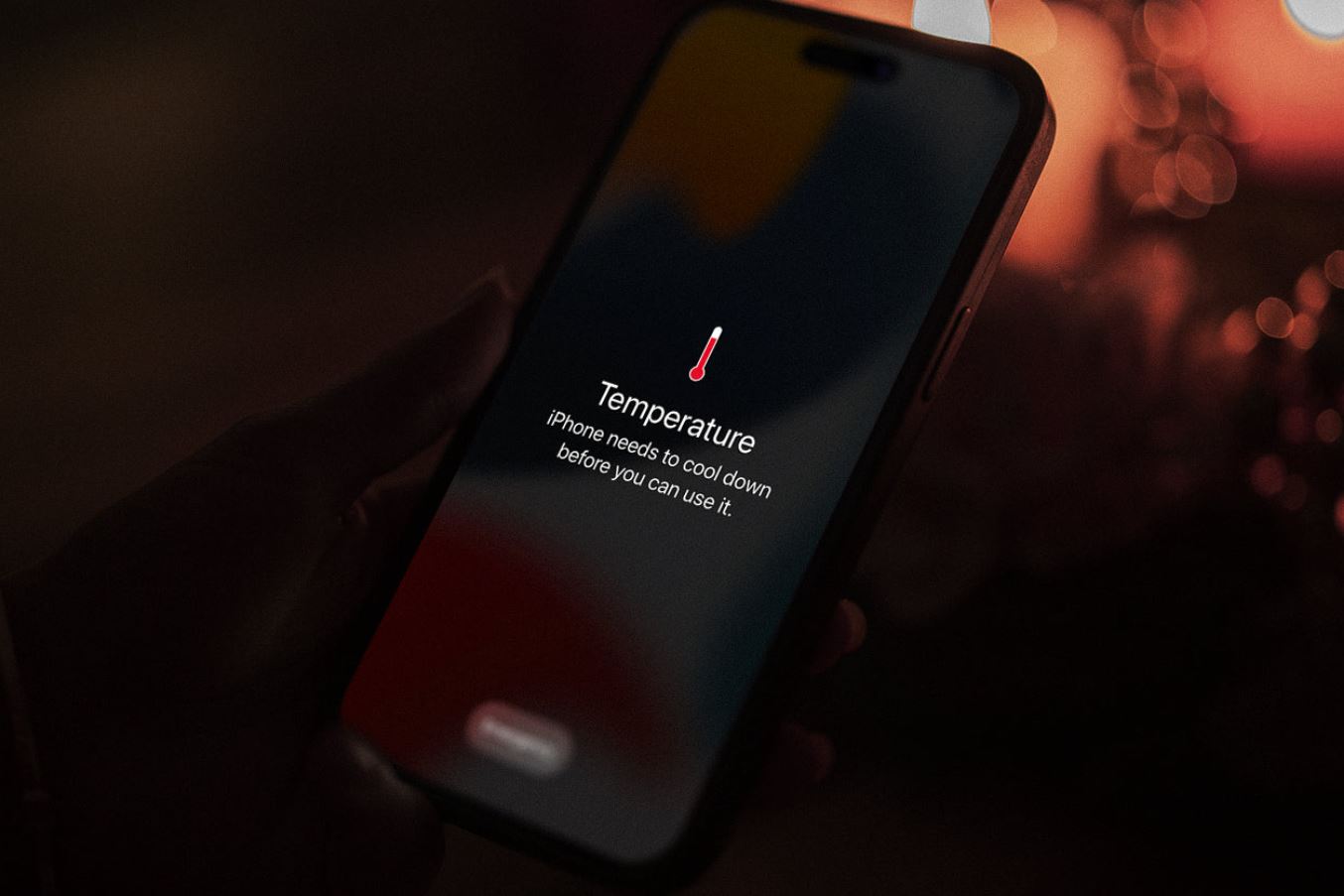
iPhone won’t let you charge if it’s overheated. Photo: nytstnd
When you connect a charger to an already hot phone, the heating becomes even more intense. In such a situation, the battery capacity decreases faster than usual, even if everything appears to work normally on the outside. It’s better to wait a few minutes and let the device cool down.
What Happens if You Charge Your Smartphone in the Cold?
In freezing temperatures, the battery works unstably. Chemical processes inside the battery slow down, causing the voltage to behave unpredictably. If you put a cold smartphone on charge, the load on the battery increases, and this can accelerate its wear.
This problem is especially common in winter when the phone has been sitting in a pocket outside or in a car for a long time. In this case, it’s better to let the device reach room temperature and only then connect the charger.
Can You Charge a Phone with a Swollen Battery?
Is the battery swollen on your phone? This is a sign of a serious malfunction. If the battery has started to increase in size, it means damage has already occurred inside it. Continuing to use such a phone is dangerous, and charging it is absolutely out of the question.
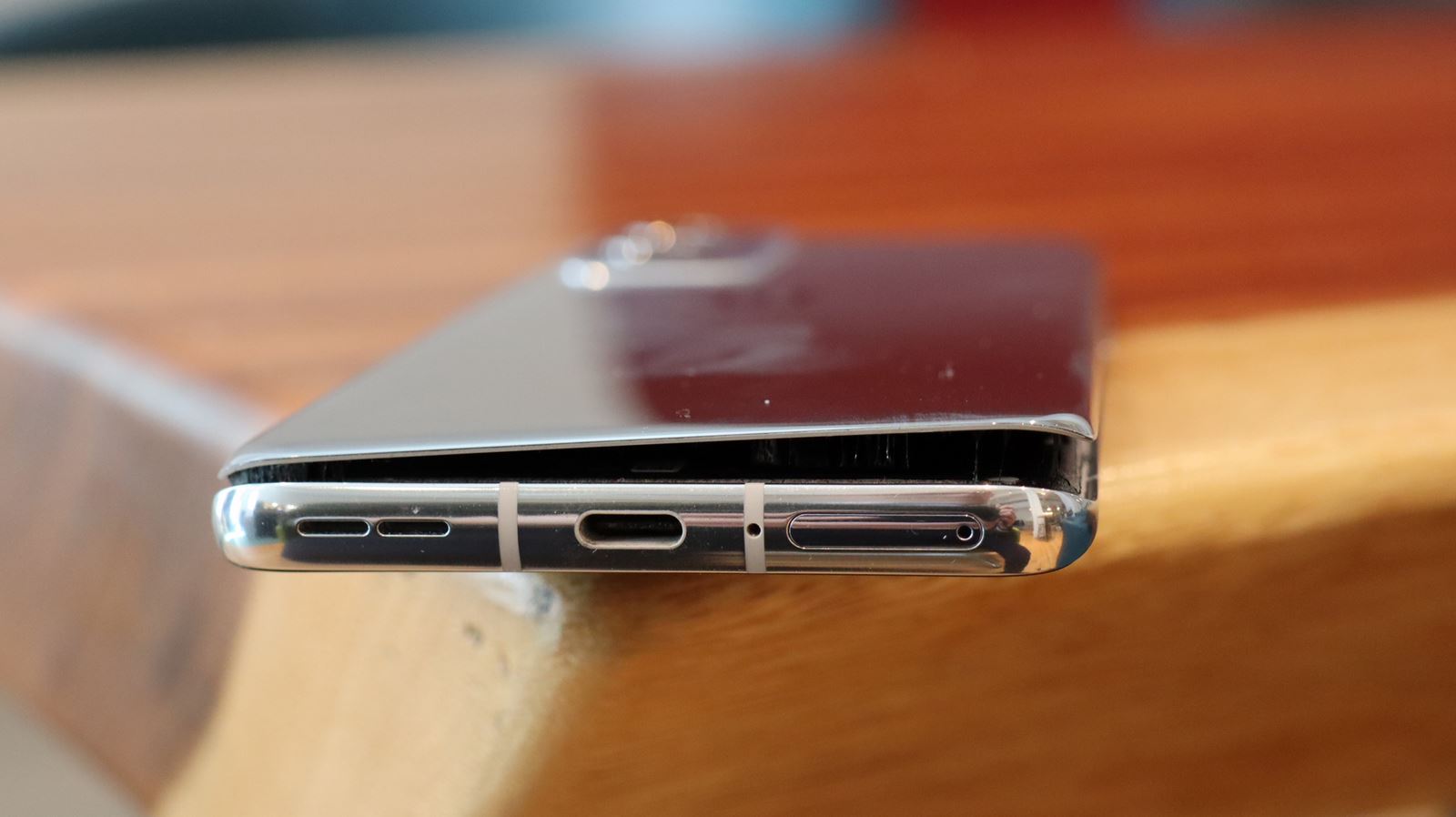
A smartphone with a swollen battery should absolutely not be charged. Photo: techradar
During charging, current flows into the battery, and if it’s already damaged, this can lead to overheating, electrolyte leakage, or even a fire. In such a situation, you should replace the battery or contact a service center as soon as possible.
Charging a Phone with a Broken Connector
If the cable doesn’t stay in properly and charging keeps appearing and disappearing, it’s better not to continue charging. An unstable contact can cause voltage spikes, which are harmful to the power controller and the battery itself. And honestly, it’s just inconvenient, so the best thing to do is get it repaired.
Additionally, a damaged charging port can heat up more than usual. In the short term, this isn’t that harmful. But in the long run, it increases the risk of overheating and can lead to smartphone damage. If you suspect that the charging port isn’t working properly, it’s better to fix it first.
What Happens if You Charge a Wet Phone?
Even if your smartphone has water protection, you shouldn’t charge it immediately after it gets wet. Moisture can get into the connector or remain inside the case, and when you connect a cable, there’s a risk of short circuit.
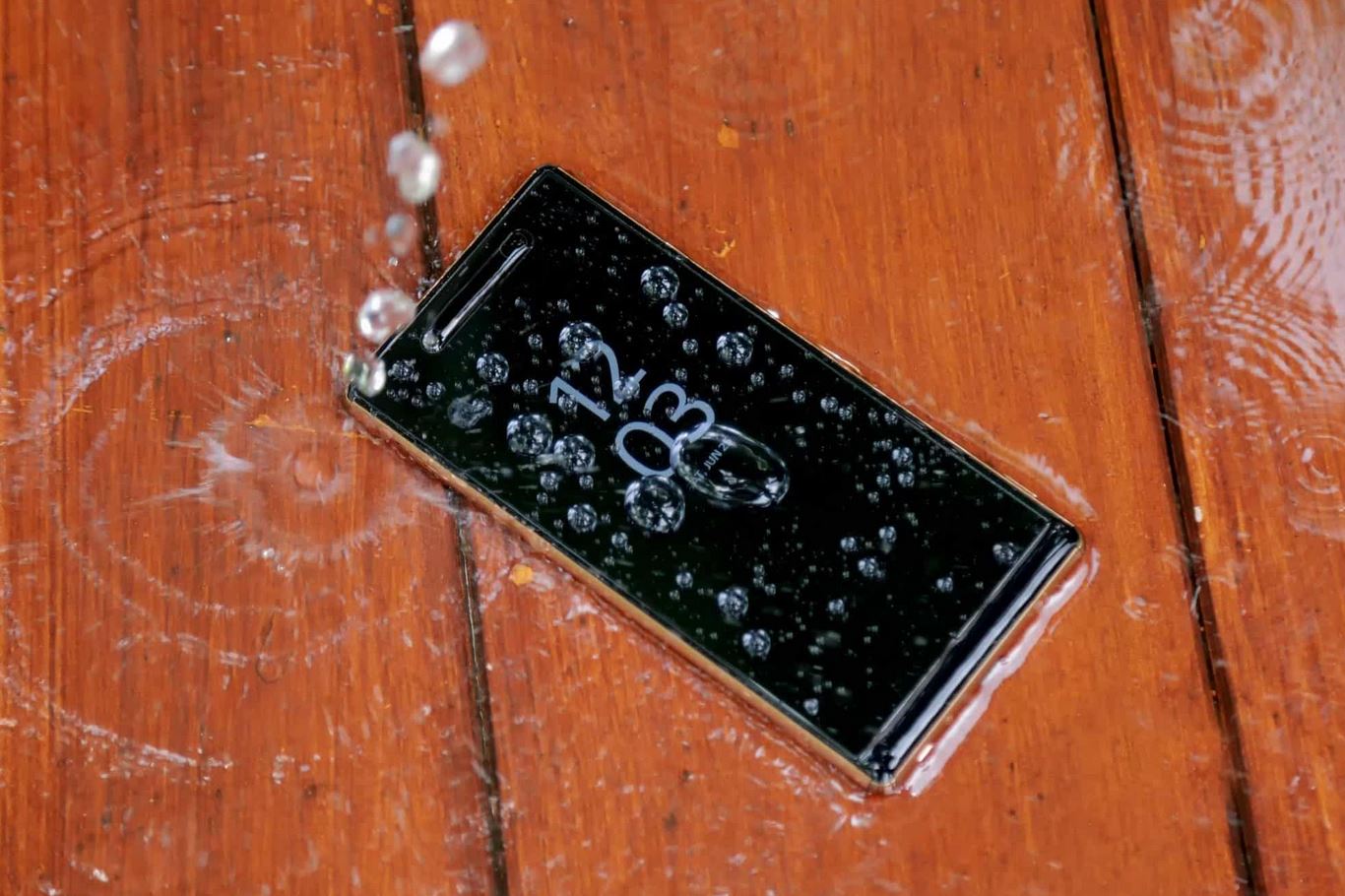
A wet phone should never be charged under any circumstances — you should dry it first. Photo: toomanyadapters.com
Some phones warn about moisture in the port and block charging, but not all models have this feature. So after rain, swimming, or high humidity, it’s better to wait until the device is completely dry.
Can You Put Your Phone Under a Pillow?
During charging, the battery heats up slightly — that’s normal. But if the phone is lying on a bed, sofa, pillow, or clothing, heat doesn’t escape properly. As a result, the temperature becomes higher than it should be.

You should never put your smartphone under a pillow. Photo: freepik.com
Constant overheating accelerates battery wear and can lead to a decrease in its capacity. Therefore, it’s better to charge your phone on a hard surface where there is proper cooling.
Should You Unplug Your Phone After It Reaches 100%?
Modern smartphones can cut off power when the charge reaches 100%. But that doesn’t mean constantly staying on the charger is completely safe. When the battery stays at maximum level for a long time, it still experiences stress.
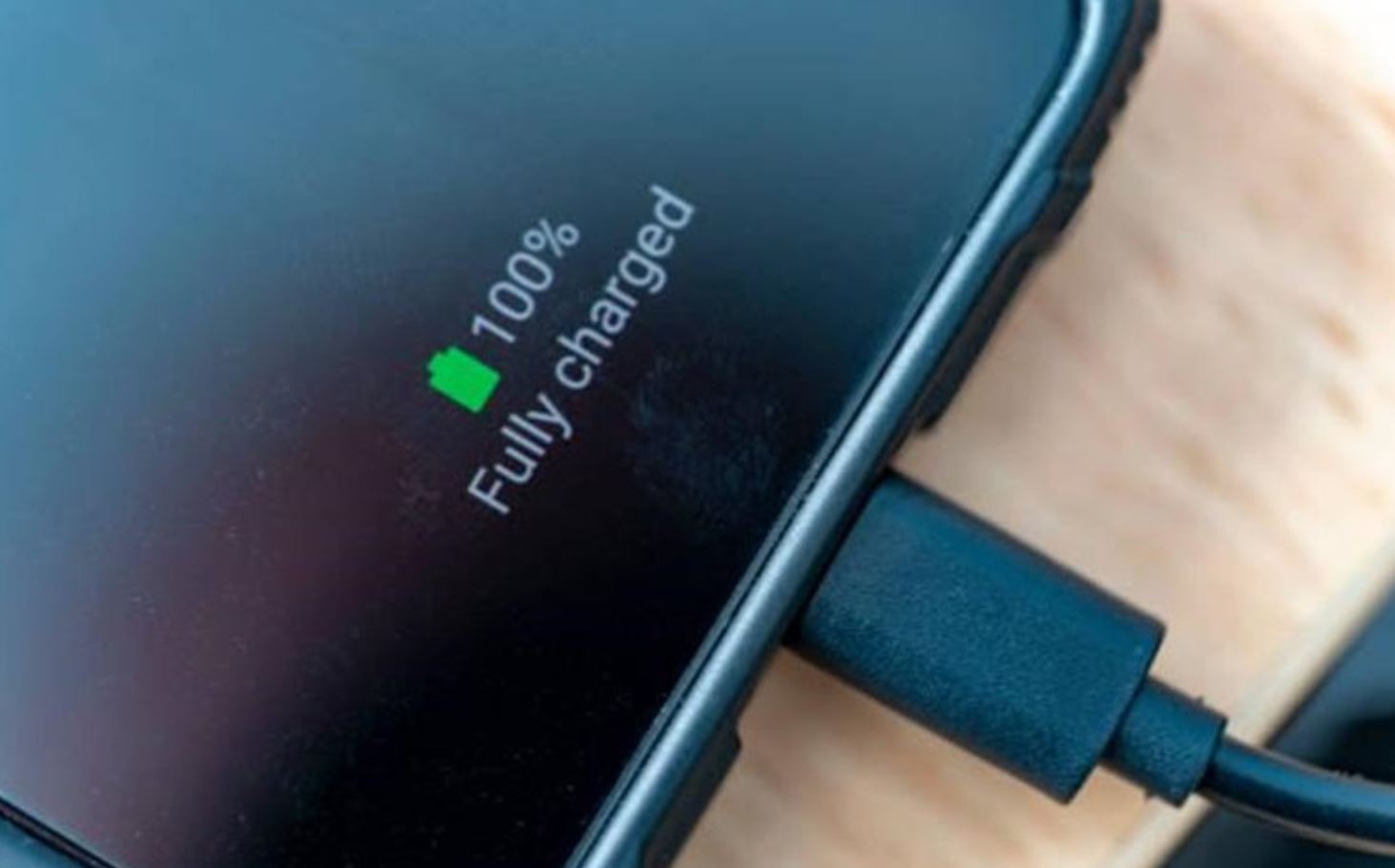
Is your phone charged to 100%? Disconnect the charger immediately. Photo: shopify.com
And if you use the phone a little here and there, it will regularly recharge back to 100%. It’s not critical, but in the long run, this can lead to heating and battery wear. It’s better to disconnect the charger when it reaches 100% and plug it back in when the level drops to about 20%.
Can You Play Games on Your Phone While Charging?
Can you use your phone while it’s charging? It might seem like no big deal. But no: games, navigation, video recording, and other heavy tasks put a significant load on the processor. During this time, the phone is already heating up, and if it’s also charging simultaneously, the temperature gets even higher. As a result, the smartphone sometimes starts charging in reverse if the energy consumption exceeds the power of the charger.
And intense heat is the main enemy of lithium-ion batteries. The more often your phone heats up during charging, the faster the battery capacity decreases. So it’s better to charge the device first and then launch heavy applications.