You’ve taken a new smartphone out of the box — and the first question that half of all buyers have is: do you need to charge it in some special way the first time? You’ve probably heard tips like “make sure to charge it to 100% before first use” or “first drain it to zero, then charge it.” Let’s figure out what’s true, what’s a relic of the past, and what’s actually harmful for your smartphone battery charging. We’ll also understand what kind of battery a smartphone needs in 2026 and which parameters really matter when choosing a new device.
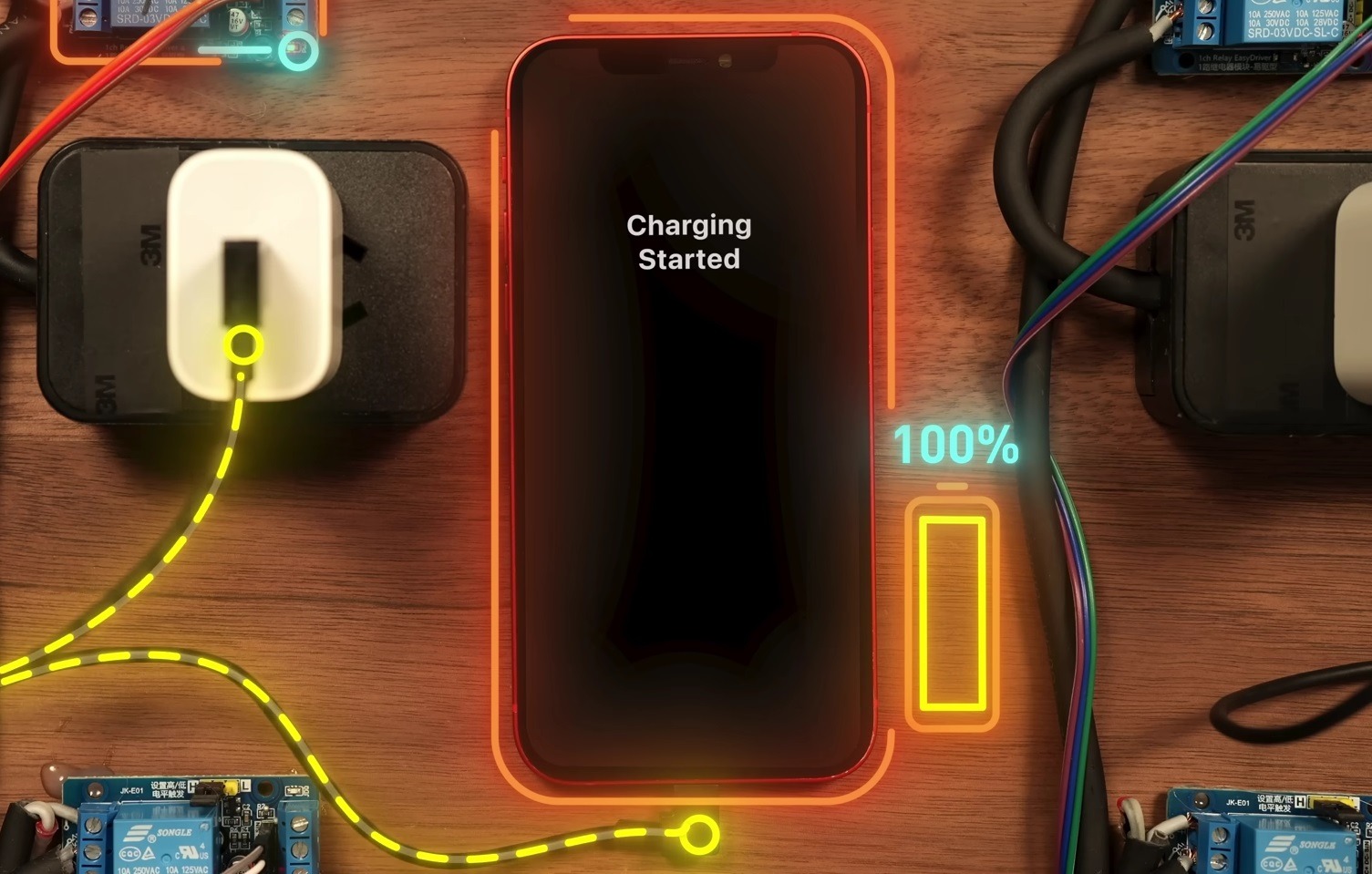
Let’s figure out how to properly charge a new smartphone. Image: HTX Studio
Do You Need to Charge a New Phone?
In short: no, you don’t. This is one of the most persistent smartphone myths, dating back to the era of nickel-cadmium batteries. Those old batteries truly suffered from the “memory effect” and required a full discharge before charging. Modern lithium-ion and lithium-polymer batteries work on fundamentally different chemistry — the memory effect doesn’t affect them.
A new smartphone comes from the factory charged to approximately 40-60%. This is done intentionally: manufacturers know that the device may sit in a warehouse or store for several months, so they maintain the phone battery charge at a level optimal for long-term storage. You can turn on the smartphone right away and start using it — nothing bad will happen.
Do You Need to Fully Drain a New Smartphone?
No. This is an urban legend with no scientific basis. There isn’t a single smartphone manufacturer that officially recommends this “calibration” procedure before first use. A lithium-ion battery doesn’t need initial “training” — it works in normal mode right away.
You definitely don’t need to fully drain a new smartphone. Image: rbc.ru
Where did this advice come from? Most likely from users of old laptops and feature phones, which indeed sometimes required charge indicator calibration. But the indicator and the battery itself are different things. Repeatedly charging to 100% in the first few days won’t improve the smartphone battery capacity, but the extra full charge cycles will slightly accelerate its degradation.
How to Properly Charge a New Smartphone
Nothing complicated — just a few sensible habits that actually affect the long-term health of your battery:
- Charge in the 20-80% range. Full cycles from zero to one hundred are the most aggressive load for a lithium battery. The fewer such cycles, the longer the battery will retain its capacity. Ideally, charge more frequently without letting it drop to critically low levels.
- Don’t keep your smartphone plugged in constantly. If your smartphone sits connected at 100%, it creates so-called “full charge stress.” Modern devices can handle this, but it’s better not to tempt fate.
- Use the original charger. The one that came in the box is the optimal option for your model. Third-party chargers often deliver unstable voltage, which over time affects the battery’s condition.
- Don’t charge in the heat. High temperature is the main enemy of a lithium battery. Charging your smartphone in direct sunlight or in a hot car is a bad idea.
These are the real phone charging rules without mysticism and rituals. Everything else is utter nonsense.
Is Fast Charging Harmful for Your Phone?
A question that gets asked constantly. Fast charging for phones is neither a marketing gimmick nor a way to kill the battery in a year. Manufacturers develop these systems taking into account the temperature regime and characteristics of the specific battery. Smartphones with fast charging can regulate smartphone charging power depending on the current charge level: the first 50-60% charges quickly, then the system reduces power to avoid overheating the battery.
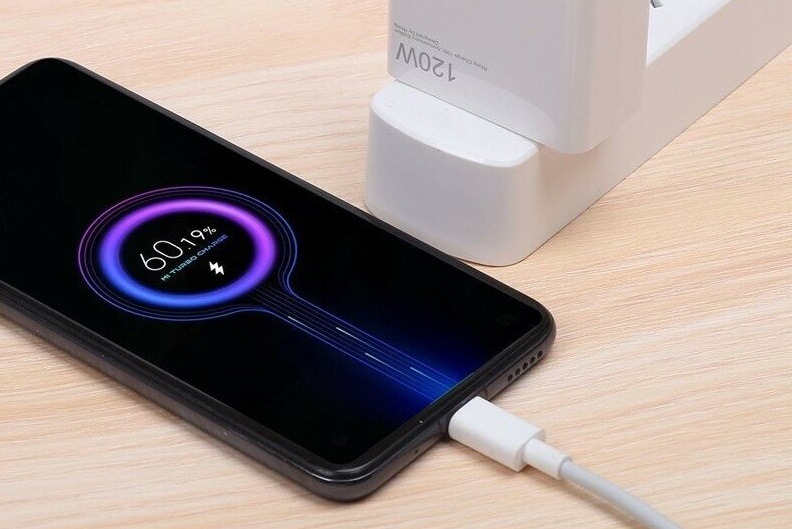
Fast charging isn’t harmful enough to worry about too much. Image: Xiaomi
You can use fast charging in everyday life without worry. The other question is whether you need it all the time. If you charge your smartphone at night while sleeping, fast charging simply isn’t necessary: the result will be the same, just slower.
Can You Charge Your Smartphone Overnight?
One of the eternal questions. Charging your phone overnight is common practice for most people, and there’s nothing catastrophic about it. Modern smartphones can manage charging intelligently: many models stop charging at 80% and only bring it to 100% just before the expected wake-up time. This is called adaptive or optimized charging.
The problem with overnight charging isn’t that the phone will “overcharge,” since modern devices are protected against that. The problem is different: the smartphone stays at 100% all night, which creates stress for the battery. The solution is simple: enable the optimized charging feature in settings. It’s available from virtually all modern manufacturers. After that, you can sleep soundly.
What Actually Affects Battery Lifespan
Now that we’ve dealt with the myths, let’s consolidate: here’s what actually determines how long your smartphone battery capacity will last:
- Number of full charge cycles. Each full cycle from 0 to 100% slightly reduces maximum capacity. That’s exactly why frequent small top-ups are better than rare full cycles.
- Temperature during charging. High temperature accelerates lithium battery degradation more than any other factor. Don’t charge in the heat and don’t place your phone on hot surfaces.
- Prolonged storage at high charge. If a smartphone sits at 100% for months, the battery ages faster. For long-term storage, a level of 40-60% is optimal.
- Charger quality. Cheap third-party chargers with unstable voltage can invisibly damage battery cells. The best smartphone charger is the one that comes in the box, or a high-quality certified alternative.
These factors are what truly matter for maintaining your battery’s health over the long term.
The Main Tip for First-Time Charging of a New Smartphone
Here it is, and it’s surprisingly simple: don’t do anything special. Take it out of the box, turn it on, use it. If the charge drops below 20%, plug in the charger. Charge reaches 80-90% — you can unplug it. No rituals, no three full cycles, no mandatory drain to zero.
The only thing worth doing right away is enabling optimized charging in settings and making sure you’re using the original charger. Everything else is folklore. And for now, enjoy your new smartphone. The battery will survive both the first night and the first three days without any rituals.