When buying an iPhone in Russia, many people don’t even think about which region their smartphone was manufactured for. However, Apple devices have a so-called regional version. It shows which country or market a specific iPhone was originally intended for. Sometimes this matters. For example, different regions may have different eSIM support, camera shutter volume levels, frequency band sets, or package contents, and some people even believe that this can lead to App Store being blocked. That’s why it’s useful to know how to determine your iPhone’s country of origin and what the letter code in the model number means.
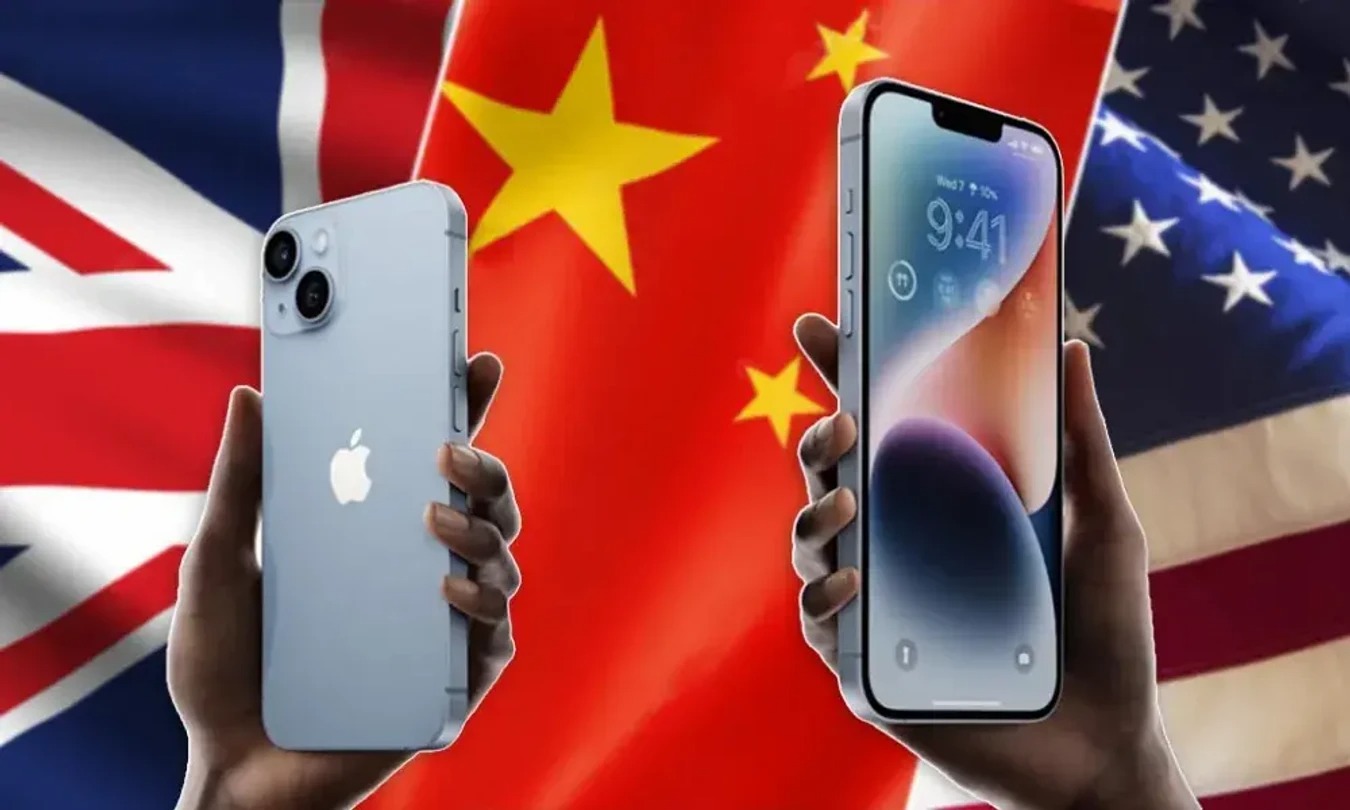
Learning to determine which country your iPhone is for. Image: vdo.by
How to Find Out Your iPhone’s Country by Model Number
The simplest way to determine your iPhone’s region is to check the model number in settings. This number contains a letter combination that indicates the country or sales region of the device. Apple uses this code for all its devices, and it remains unchanged regardless of where the phone is currently being used.
To find this code, you don’t need to install third-party apps or check the phone against a database. Everything can be viewed directly in iOS settings. It takes literally a few seconds. Here’s how to do it:
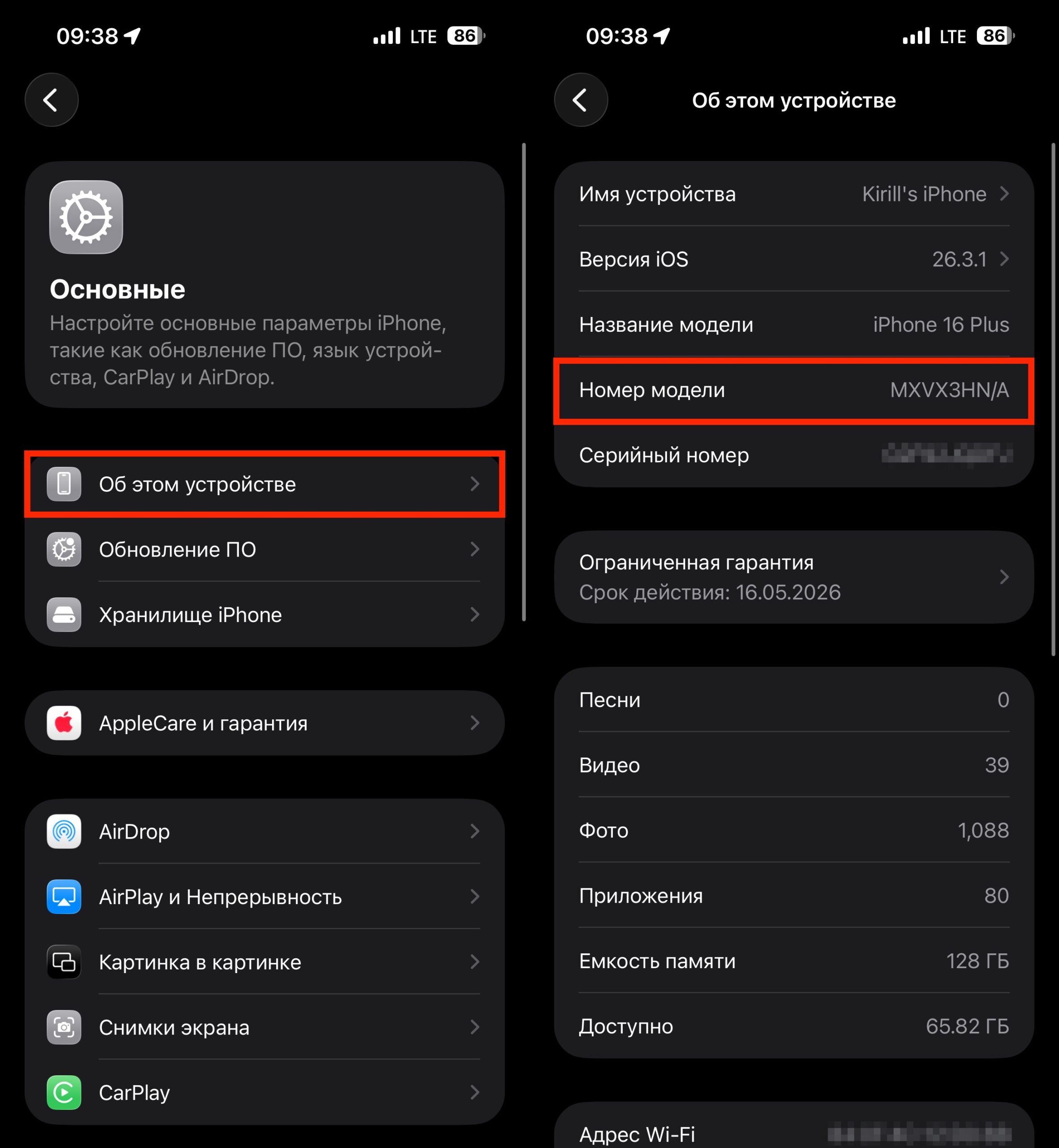
You can check the model here
- Open Settings.
- Go to the General section.
- Select About.
- Find the Model Number line.
If you tap on the model number, it may switch between the internal Apple code (e.g., A3090) and the full model code. It’s the full code that you need to determine the country. It looks something like this: MXVX3HN/A.
We’re interested in the two letters before the “/” symbol. For example, in model MXVX3HN/A, the region code is HN. These two letters show which country your iPhone was intended for.
Letters in the iPhone Model Number: Country Code
The regional code in the model number is a designation for the market Apple manufactured the device for. This doesn’t always mean the phone was purchased in that country. For example, in Russia, after official Apple shipments ceased, iPhones from the UAE, Europe, Japan, Hong Kong, the USA, and other countries are being sold. Incidentally, Apple product prices have been actively changing due to the situation in Dubai, and it’s unclear how much more they could rise.
In most cases, the differences between regional versions are minimal. However, sometimes they do exist. For example, Japanese iPhones previously didn’t allow disabling the camera shutter sound, and versions for China have two physical SIM cards instead of eSIM (with the exception of iPhone Air). Here are the main letter designations for countries and regions in iPhone models:
 A — Canada
 AB — Egypt, Jordan, Saudi Arabia, UAE
 AE — UAE, Bahrain, Kuwait, Qatar, Saudi Arabia
 AH — Bahrain, Kuwait
 AM — USA (assembled in Vietnam)
 B — United Kingdom, Ireland
 BR — Brazil (assembled in Brazil)
 BZ — Brazil (assembled in China)
 C — Canada
 CL — Canada
 CH — China
 CZ — Czech Republic
 D — Germany
 DN — Austria, Germany, Netherlands
 E — Mexico
 EE — Estonia
 ET — Estonia
 FB — France, Luxembourg
 FD — Austria, Liechtenstein, Switzerland
 GR — Greece
 HN — India
 IP — Italy
 HB — Israel
 J — Japan
 KH — Korea, China
 KN — Norway
 KS — Finland, Sweden
 LA — Colombia, Ecuador, Guatemala, Honduras, Peru
 LE — Argentina
 LL — USA, Canada
 LZ — Chile, Paraguay, Uruguay
 MG — Hungary
 MO — Macau, Hong Kong
 MY — Malaysia
 NF — Belgium, France, Luxembourg
 PK — Poland, Finland
 PL — Poland
 PM — Poland
 PO — Portugal
 PP — Philippines
 QL — Spain, Italy, Portugal
 QN — Denmark, Norway, Sweden, Iceland
 RK — Kazakhstan
 RM — Russia, Kazakhstan
 RO — Romania
 RP — Russia
 RR — Russia
 RS — Russia
 RU — Russia
 SE — Serbia
 SL — Slovakia
 SO — South Africa
 SU — Ukraine
 T — Italy
 TA — Taiwan
 TU — Turkey
 TY — Italy
 VC — Canada
 X — Australia, New Zealand
 Y — Spain
 ZA — Singapore
 ZD — Germany, Belgium, Luxembourg, Australia, Monaco
 ZP — Hong Kong, Macau
How Do iPhone Versions Differ Between Countries
For most users, the device’s region doesn’t play a big role. Modern iPhones support the same iOS updates, the same apps, and the same features. So even if the phone was manufactured for a different market, it will work the same as the local version.
However, sometimes the region does matter. For example, when it comes to iPhones for the Chinese market. Currently, these are the most limited versions of Apple smartphones, which are better not to buy, as we’ve already discussed in detail.
Additionally, different versions also differ in whether they have a physical SIM. Each year, Apple removes the regular SIM card from an increasing number of markets, and for some people, this will be a crucial factor. Therefore, checking the iPhone regional code is a simple way to understand exactly which version of the device you’re using.