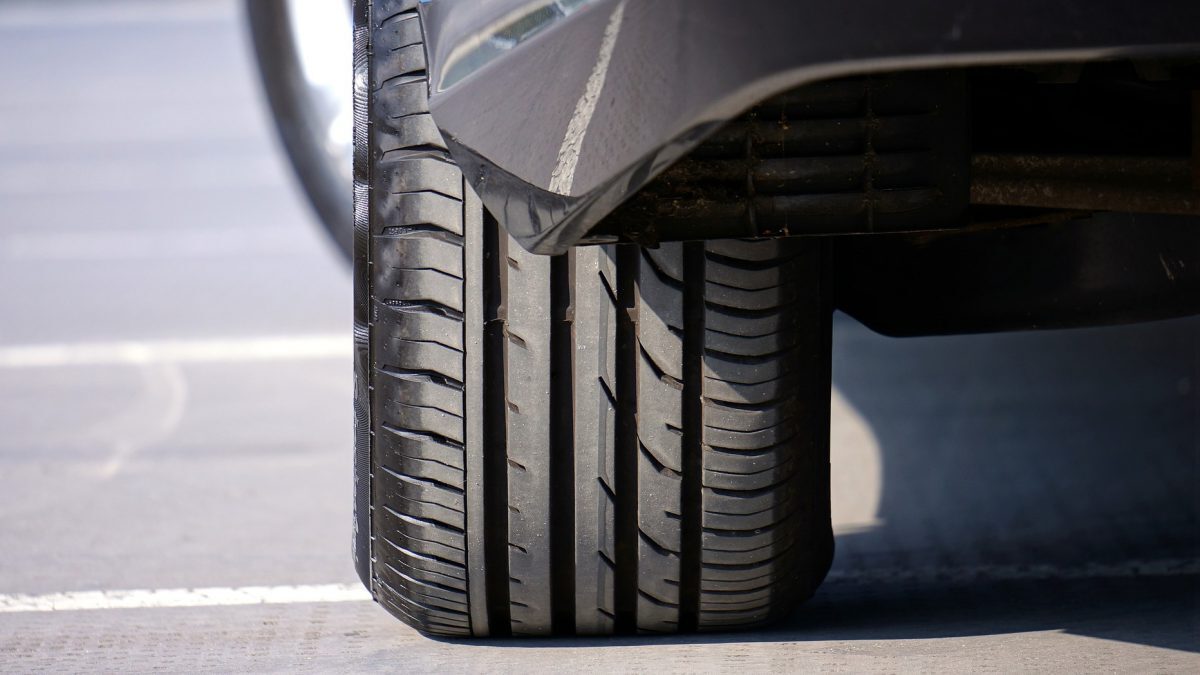
Maintaining tires in perfect condition is not just a technical recommendation, but a guarantee of safety, comfort, and confidence on the road. Image source: tyremarket.com
Surprisingly, car tires often fail not because of age, but because of driver mistakes. You might not notice the problem for months until the tread starts wearing unevenly and the car begins braking worse. Even expensive tires can wear out noticeably faster if you don’t properly monitor pressure or driving style. Yet extending tire life is quite simple — you just need to follow a few basic rules.
What Affects Tire Wear: Why Driving Style Matters So Much
The fastest way to “kill” a set of tires is aggressive driving. Sudden starts, hard braking, and fast turns literally grind down the tread.
Especially dangerous are impacts from potholes, curbs, and speed bumps. They can cause wheel imbalance or damage the tire.
A simple rule: slow down in advance before road irregularities and avoid contact with curbs — this way you protect not only the rubber but also the wheel geometry.
By the way, many drivers never even think about why car tires are made black — it’s related to improving rubber wear resistance and UV protection.
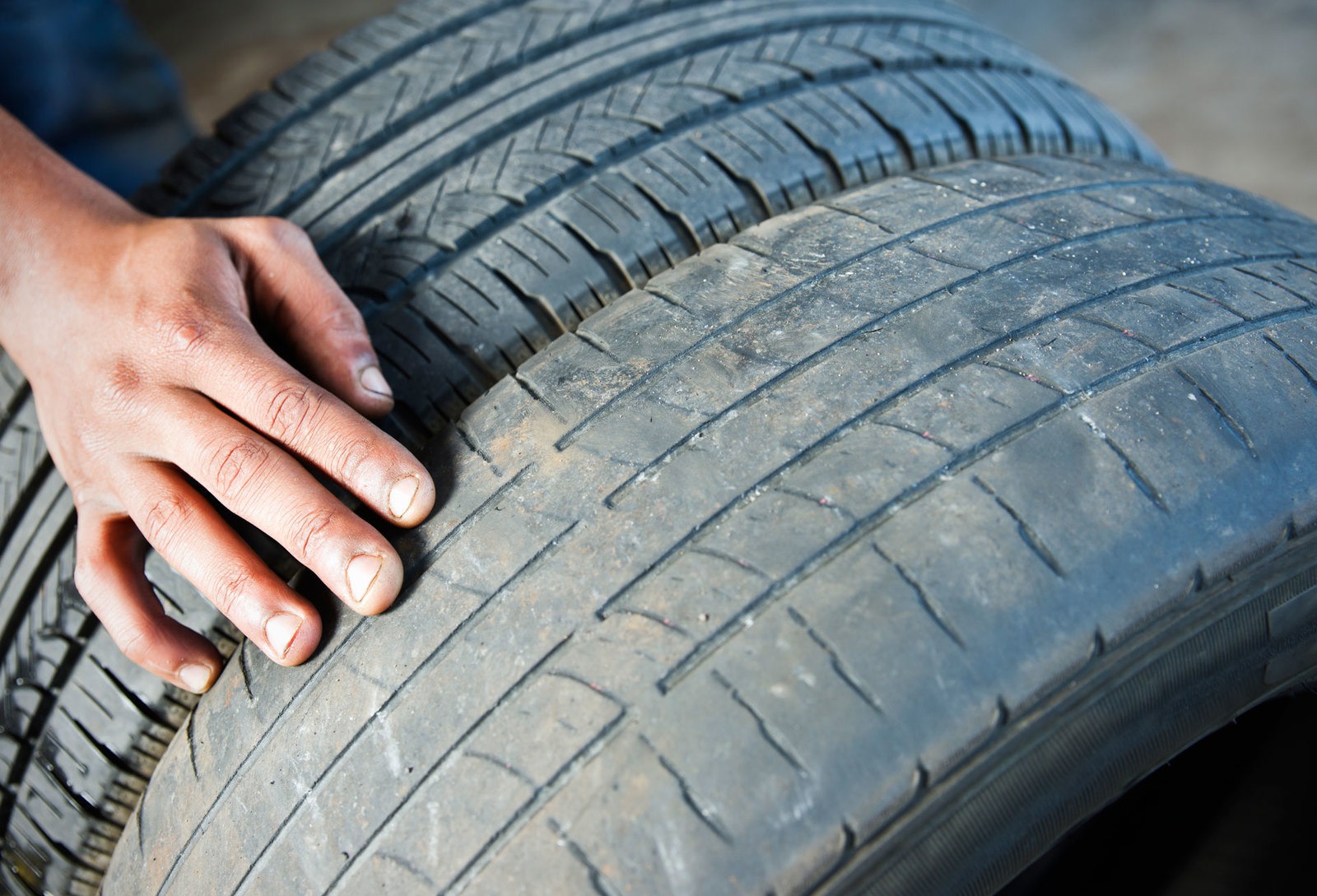
Comparison of an old and new tire. Image source: drive2.ru
How Proper Tire Pressure Extends Their Lifespan
One of the most common mistakes is driving with incorrect pressure.
You can’t determine pressure “by eye,” and an underinflated tire can overheat more and wear down the tread edges faster, while an overinflated one wears down the center. Optimal pressure allows for even load distribution and reduces fuel consumption.
Check your pressure at least once every 2–3 weeks and always before a long trip.
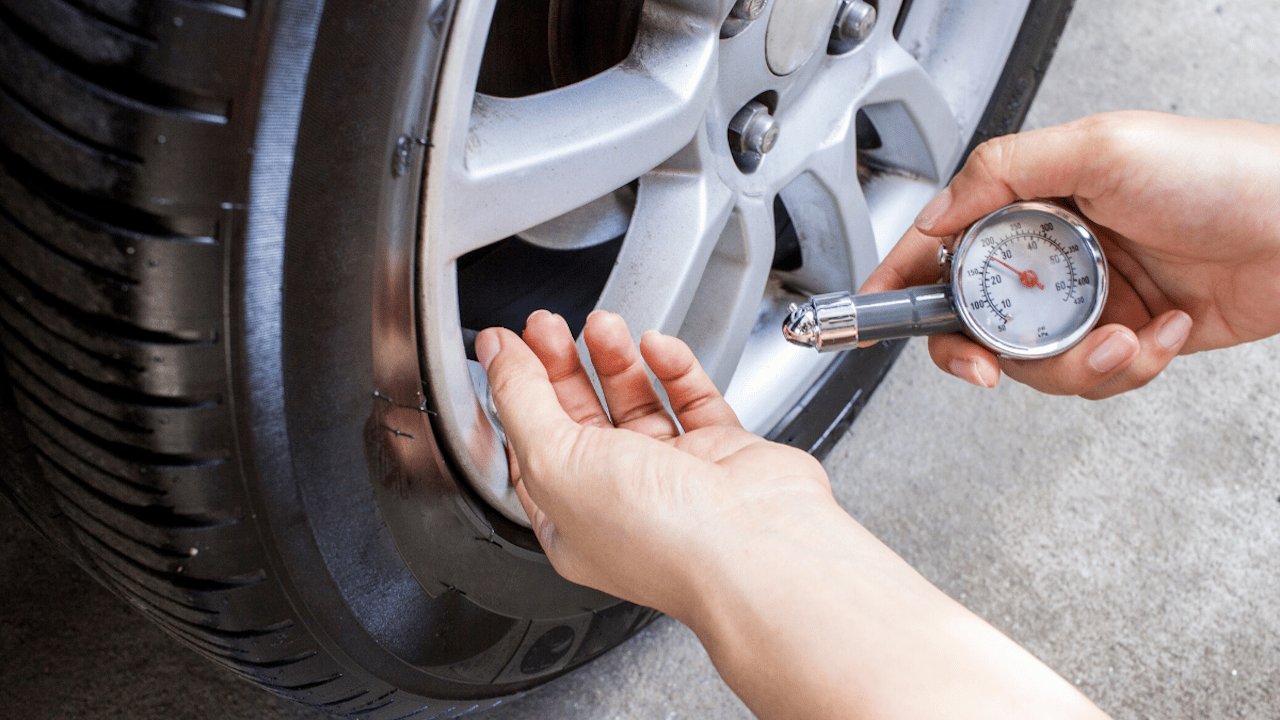
A useful driver habit — regular pressure checks with a gauge. Image source: techgameworld.com
Why Wheel Balancing Matters: Small Problems That Ruin Tires
If you experience steering wheel or body vibration while driving, it’s almost always a sign of wheel imbalance. Even a slight misalignment leads to uneven tread wear, which is why timely balancing is important.
It’s also worth periodically checking the valve core — the small valve inside the stem. Sometimes it’s the very reason for a slow air leak.
And finally, the main rule: tires are best changed and serviced at a professional, trusted tire shop. Proper installation and balancing help prevent premature wear and extend tire life.
When to Replace: Signs Your Tires Are on Their Last Legs
Extending tire life is important, but not at the cost of safety. If you see cracks, bulges, uneven wear, or the tread is close to the minimum, that’s a warning sign.
And one more small detail that’s often misunderstood: the rubber “whiskers” on a new tire don’t improve traction — they’re simply manufacturing remnants.