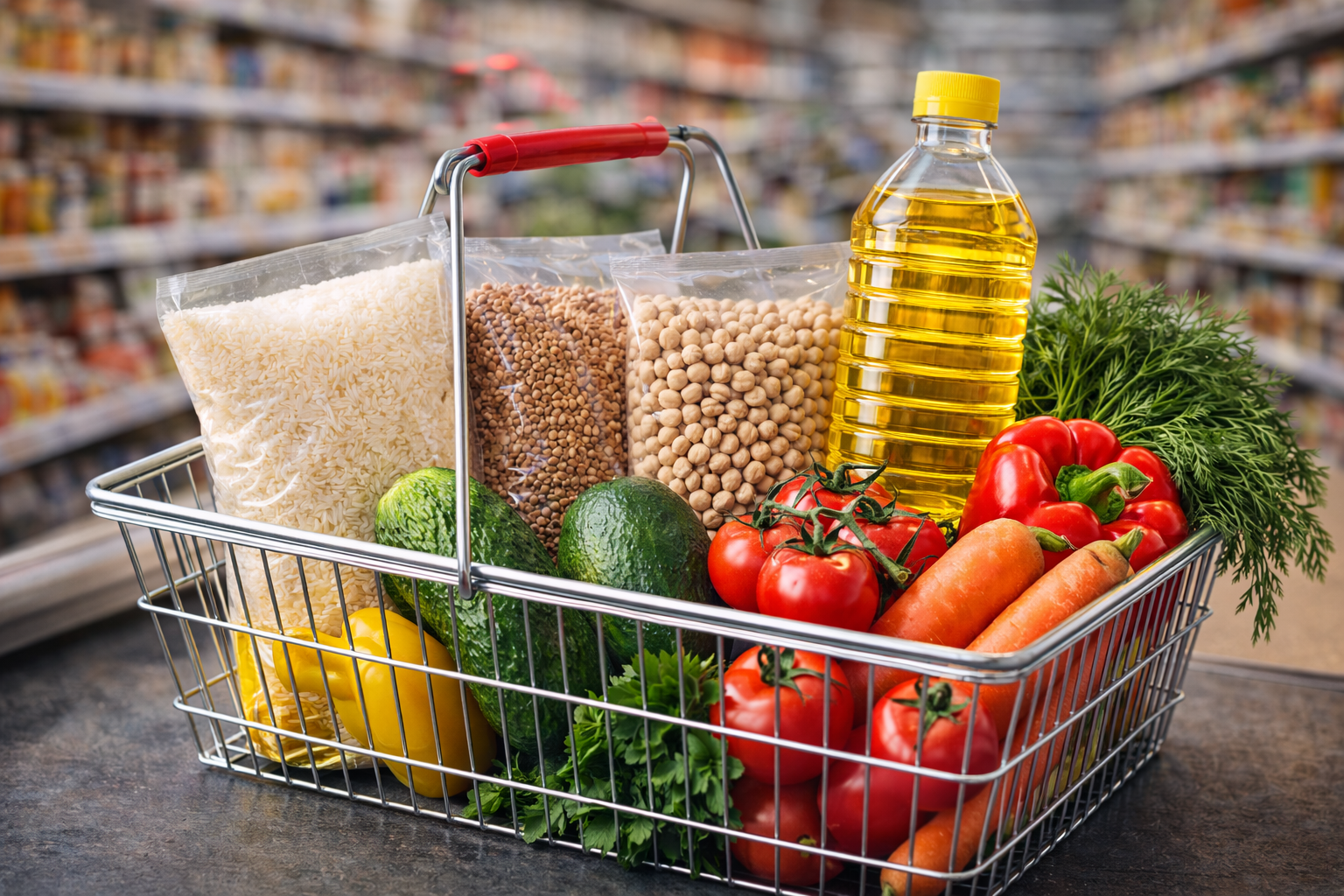
Lent is not just about restrictions, but also about rethinking your usual diet. During this time, simple products appear on the table more often, but it is precisely among them that low-quality raw materials, counterfeits, and old batches are most commonly found.
Many people believe that a Lenten menu is automatically healthy, but even ordinary grains and vegetable oils can turn out to be low quality or improperly stored. Roskachestvo regularly tests such products and identifies mistakes that shoppers make at the store. To make Lenten food truly beneficial, it’s important to know how to choose basic products correctly.
How to Choose Rice at the Store: What to Look for on the Packaging
Rice is one of the main products during Lent. There are more than 20 main types of rice in the world and over 150 varieties, and its color can be not only white but also red, purple, or even black.
When buying, pay attention to several things:
- Grains should be whole — without a large number of broken pieces.
- Shape and size should be uniform — this indicates a single batch.
- Color should be consistent — greenish grains indicate unripe rice.
- The packaging should be free of husks and debris.
Interesting fact: unpolished rice is considered healthier because it retains its shell with vitamins and microelements. However, it takes almost twice as long to cook as regular rice.
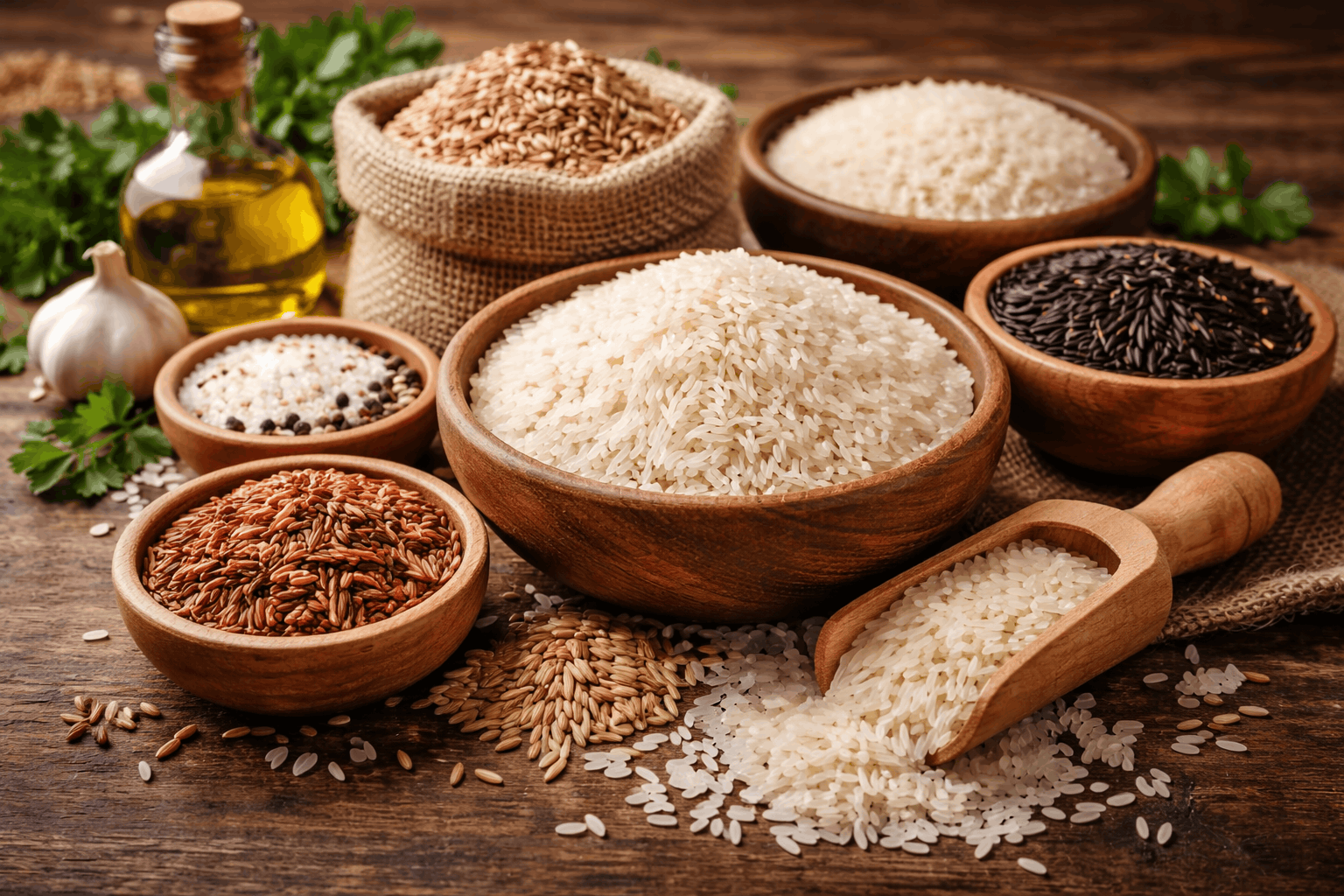
The most popular rice in Russia is round-grain, accounting for nearly a third of the total grain market.
How to Choose Quality Buckwheat at the Store
Buckwheat is the second most popular side dish in Russia after potatoes. But even this familiar product can vary significantly in quality.
The best option is whole kernel buckwheat (yadritsa), meaning whole grains without crushing.
When choosing, pay attention to:
- uniformity of the grain — the fewer black and damaged kernels, the better;
- grain shape — kernels should be whole, not crushed;
- grain color — it can be cream, greenish, or brown depending on processing; the main thing is that the shade is even.
An interesting point: buckwheat starts losing some of its nutrients after just 20 minutes of boiling. That’s why it’s often recommended to cook it faster or steep it in boiling water and let it sit to preserve more nutrients.
How to Choose Sunflower Oil: Refined or Unrefined
Vegetable oil is an essential product in a Lenten menu. But manufacturers often use marketing tricks.
For example, labels like “no preservatives” or “with vitamin E” mean almost nothing. Sunflower oil by its nature doesn’t require preservatives and already contains vitamin E.
What’s far more important is to pay attention to the actual parameters:
- refined oil is better suited for frying;
- unrefined oil — for salads and cold dishes;
- look for bottles at the back of the shelf, where there is less light;
- a lighter color indicates a higher degree of purification.
It’s important to remember: light destroys the beneficial substances in oil, so at home it’s best to store it in a dark, cool place.
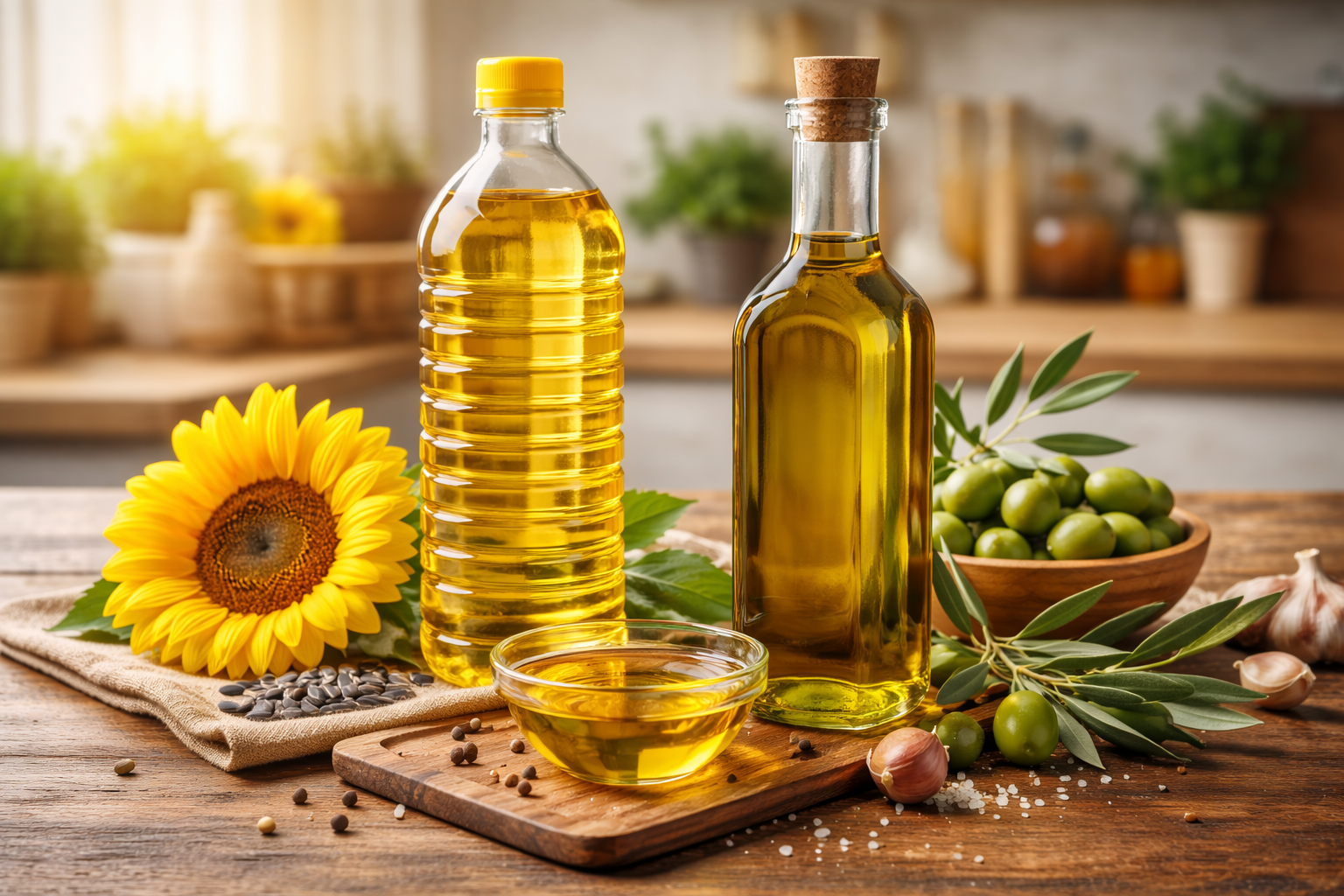
Another marketing trick is “first press.” According to Roskachestvo, unrefined product is always obtained from seeds through the first press.
What Products Can You Eat During Lent: Healthy Diet Options
Besides grains and oil, there are several other products that are especially beneficial in a Lenten diet.
Pay attention to:
- lentils and beans — an excellent source of plant-based protein;
- chickpeas — rich in fiber and very filling;
- vegetables and root crops — carrots, beets, and cabbage store well and retain vitamins;
- nuts and seeds — contain healthy fats and minerals.
By the way, nutrition specialists note that legumes and grains help replenish protein in a Lenten diet, especially if you regularly include them in various dishes.
The main rule for a Lenten menu is simple: choose the freshest and most natural products possible, pay attention to packaging and storage conditions. Then even the simplest food will be healthy, tasty, and varied.