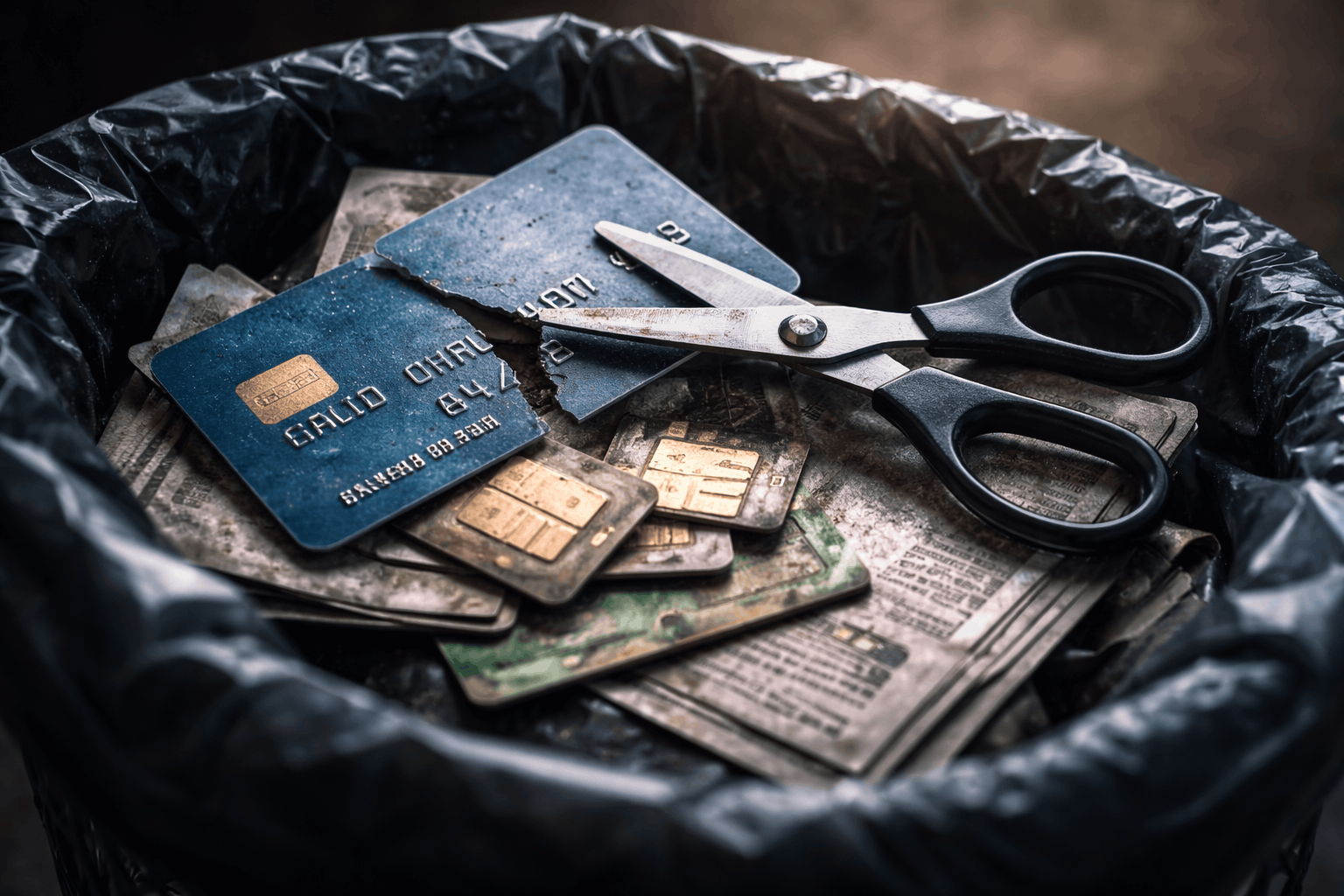
Why it’s important to close old bank cards and SIM cards: scammers can take out a loan in your name.
Many people keep old bank cards and SIM cards “just in case.” It seems like if you don’t use them, there won’t be any problems. But it’s precisely forgotten accounts and numbers that most often become another gateway through which scammers gain access to money and loans. Digital security experts warn: a person may only learn about the problem months later, when a loan has already been taken out and penalties have been charged. Let’s figure out why it’s important to close unnecessary cards and SIM cards and how to avoid unpleasant surprises.
Why Old Bank Cards and Accounts Don’t Close on Their Own
Many people believe that once a card expires, everything automatically closes. In reality, a card is just a tool for accessing an account, and a bank account continues to exist until it is officially closed.
If the terms of free service are no longer in effect, the bank may charge fees even without any transactions. Problems especially often arise with credit cards that were once issued "as a bonus."
Even an unused product can accumulate debt due to paid services, and after a few years, this turns into penalties and a damaged credit history. Such cases are also dangerous because people stop checking old accounts, which means they notice the problem too late.
How Scammers Take Out Loans Using Old SIM Cards and Numbers
One of the most common schemes involves forgotten SIM cards. If a number is not used for a long time, the carrier may reassign it to another person. At the same time, the number remains linked to your profile if you haven’t updated your contact information yourself.
Here’s how the scheme works:
- An old number is linked to a card or a bank’s personal account
- The new owner of the number receives SMS codes
- The scammer restores access
- Takes out a small loan or installment plan
- The original owner learns about the debt only after some time
Most often, small amounts are taken because such transactions go through with minimal verification. That’s why many people only find out about the loan after receiving a notification from the bank or seeing an entry in their credit history.
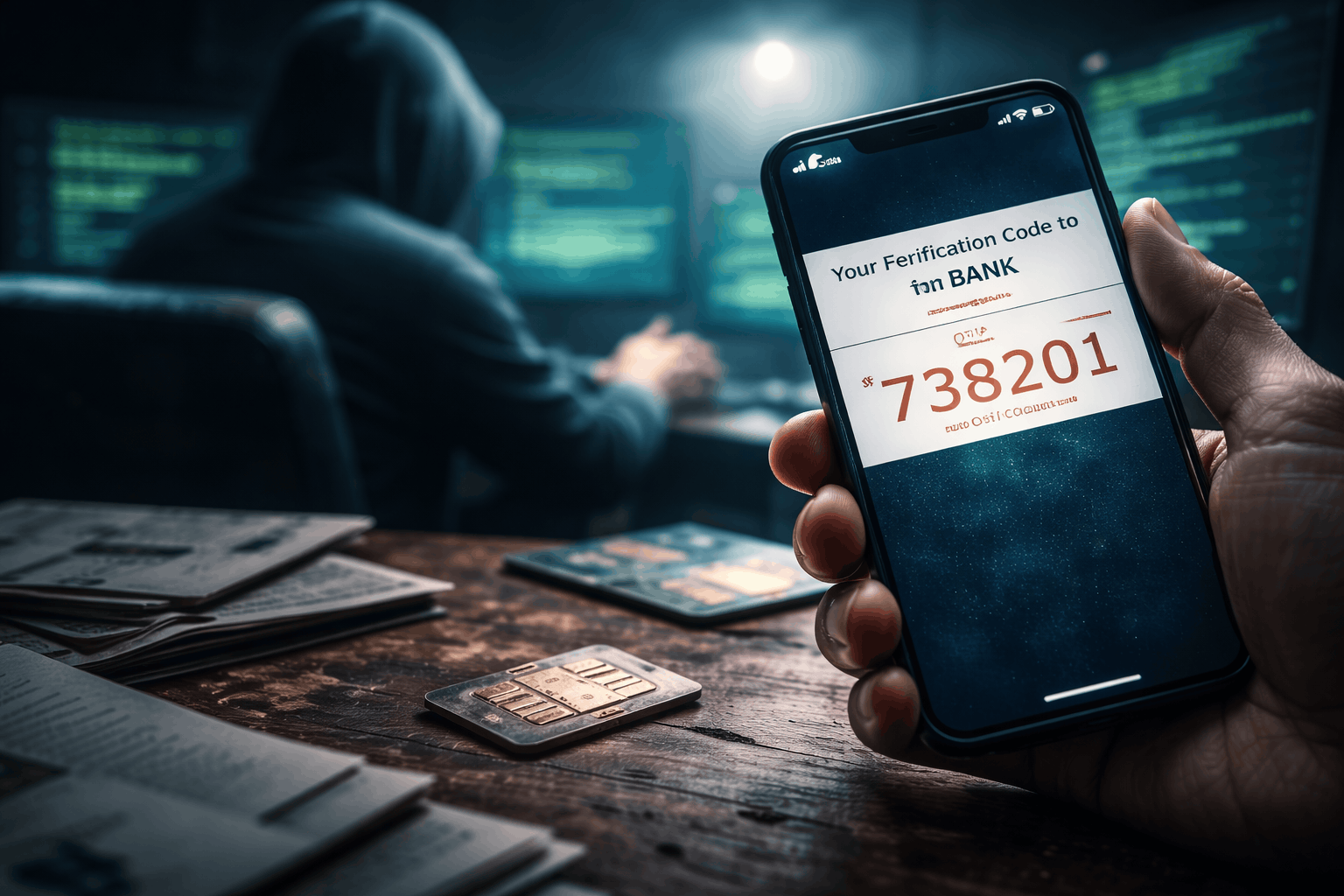
Digital security experts warn that such situations happen regularly and affect even cautious users.
Why Banks Approve Loans Taken Out by Scammers
The problem arises not because of a single bank, but due to a combination of factors:
- Numbers are returned to circulation after prolonged non-use
- Accounts remain linked to old phone numbers
- Microloans are often issued based solely on SMS confirmation
- Access recovery via phone number remains one of the weak points of security
Until the user closes the account and unlinks the number themselves, the system considers everything legitimate.
Why You Shouldn’t Keep Old Bank Cards and SIM Cards
A forgotten or discarded bank card can become a source of problems for you and a gift for scammers. The plastic contains the card number, expiration date, and cardholder’s name — even without the CVV code, this is enough for phishing, social engineering, or attempts to gain access to your services.
It’s important to understand: cutting up a card doesn’t mean closing an account. The correct order is:
- Close the account at the bank
- Return the card for disposal
- Obtain a certificate confirming no outstanding debts
- Check which phone numbers are linked to the bank
Experts recommend conducting an audit every six months: checking all accounts, cards, and SIM cards registered in your name. It takes very little time but can save you from lengthy disputes and someone else’s loans.
What to Do If Scammers Have Taken Out a Loan in Your Name
If you discover a loan you didn’t take out, it’s important to act quickly. In such situations, time works against the account holder, so it’s best to go through all the steps immediately.
- Contact the bank or microfinance organization
File a statement that you did not take out the loan and demand an investigation. The sooner you do this, the higher the chance of stopping penalty charges. - File a police report
After registering the complaint, they must issue you a notification receipt. This document will be needed by the bank and can serve as the main evidence in a dispute. - Request a detailed report from your mobile carrier
You need to check whether SMS codes were sent and whether the number belonged to you at the time the loan was taken out. - Check your credit history
You can do this through government services portals or credit bureaus. Sometimes scammers take out multiple loans at once, and it’s important to find out about this as soon as possible. - Don’t make payments on someone else’s loan
Even a small payment can be interpreted as acknowledgment of the debt. First, you need to prove that the loan was taken out by scammers, and only then resolve the issue with the bank. - If necessary, go to court
If the bank refuses to recognize the debt as someone else’s, courts in such cases most often side with the victim.
If you follow this algorithm, in most cases you can prove that the loan was taken out without your involvement and avoid serious financial consequences.
To protect yourself, you only need a little time, but it shields you from digital traps, which are more numerous than they might seem at first glance.