Samsung loves adding unique features to its Ultra lineup, and the privacy screen is exactly that kind of addition: so that the person next to you on the subway can’t read your messages. But the first user reviews of the Galaxy S26 Ultra show that this solution has a side effect — and it’s noticeable in everyday use.
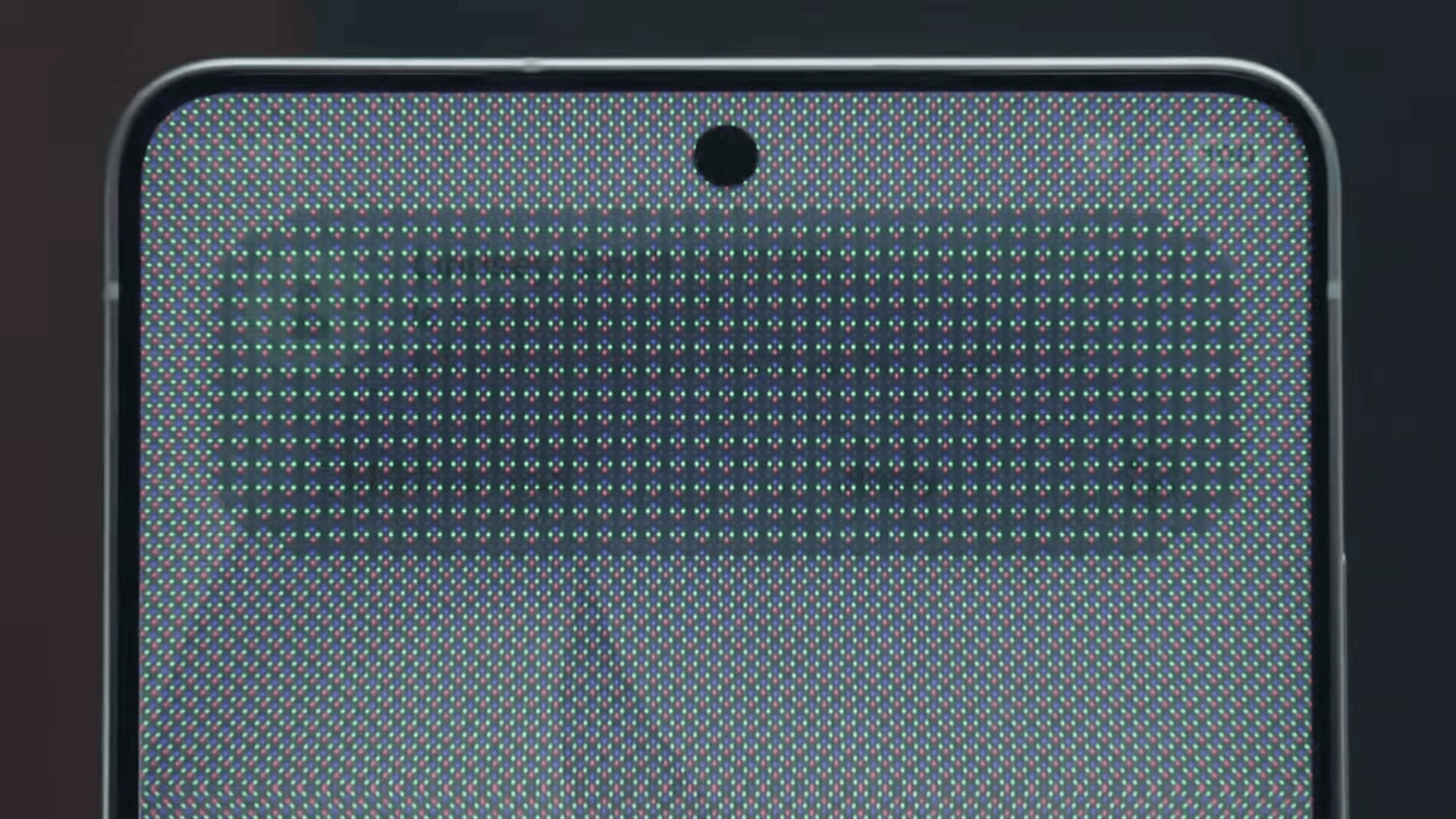
What’s wrong with the new Samsung’s screen? Image: Samsung
Early reviews of the flagship Samsung Galaxy S26 Ultra smartphone have started appearing online. And they’re not all positive. It turns out the new device is not without problems, and serious ones at that — they concern the most important component of the device, which received an unusual feature that surprised even Apple.
Specifically, owners are complaining that the Galaxy S26 Ultra screen looks noticeably darker than the previous generation. Here’s a comparison at maximum brightness — you can see that the new flagship’s panel is dimmer and shifts toward red tones.
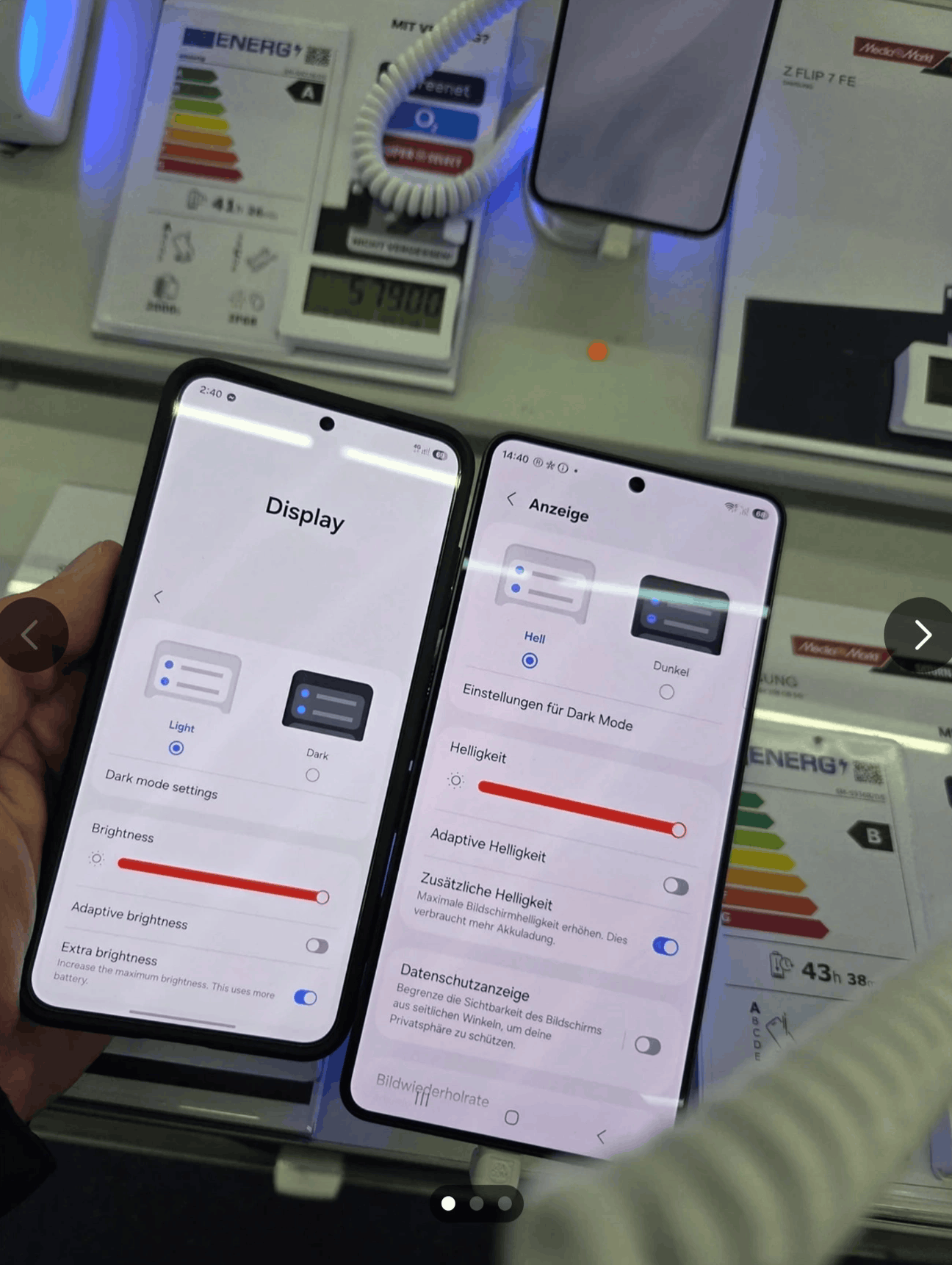
On the right — the new model. Image: IT Home
The second complaint is color distortion when slightly tilting the smartphone, especially on a white background. Apparently, this is related to the red tint on a white background. And this isn’t a matrix glitch, but rather a side effect of the new privacy display technology: to limit the viewing angle from the sides, the display literally starts behaving differently at angles. This is explained by the working principle of the anti-spy screen.
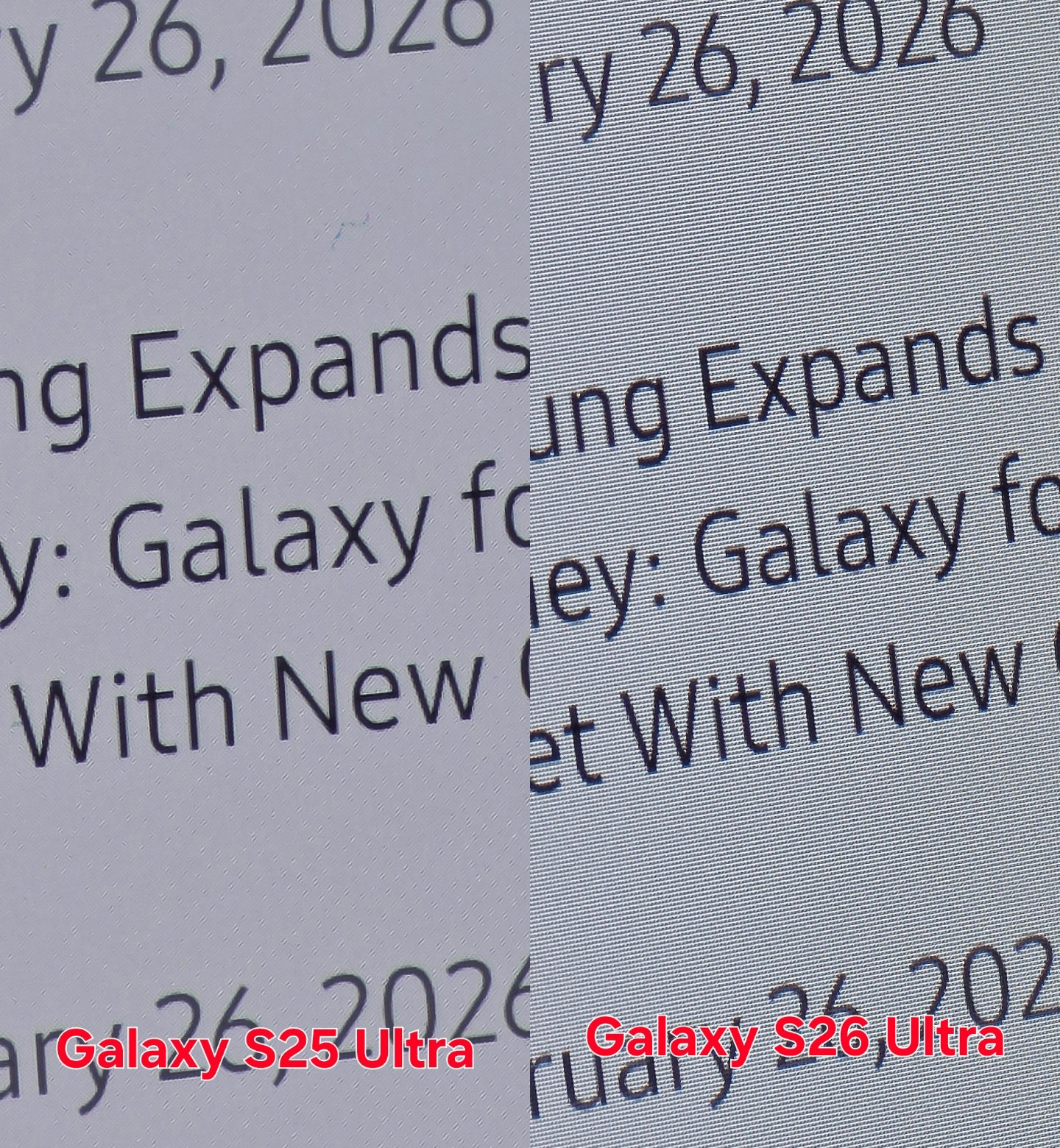
Adjusting the resolution doesn’t help fix the problem here. Image: X
But there’s another issue that keeps coming up in reviews: fine details on the Galaxy S26 Ultra screen look rough, especially text. Users report that black letters on a light background have jagged edges and the overall image is less clean compared to the Galaxy S25 Ultra. For people with sensitive eyesight, this matters more than it seems: if you read a lot on your phone, the extra roughness of edges is very tiring.
Why the Galaxy S26 Ultra Screen Is Worse
The new screen’s algorithm is to blame for everything. It uses different types of subpixels — some are responsible for the normal wide viewing angle, while others make the image narrow-directional. When privacy mode is activated, the wide subpixels are turned off or work differently so that the image is nearly invisible from the sides.
The price of this is reduced brightness and those same color shifts when tilting. And along with them, those same rough edges on contrasting boundaries. Disabling the privacy display feature won’t solve this, since it’s the inherent structure of the screen.
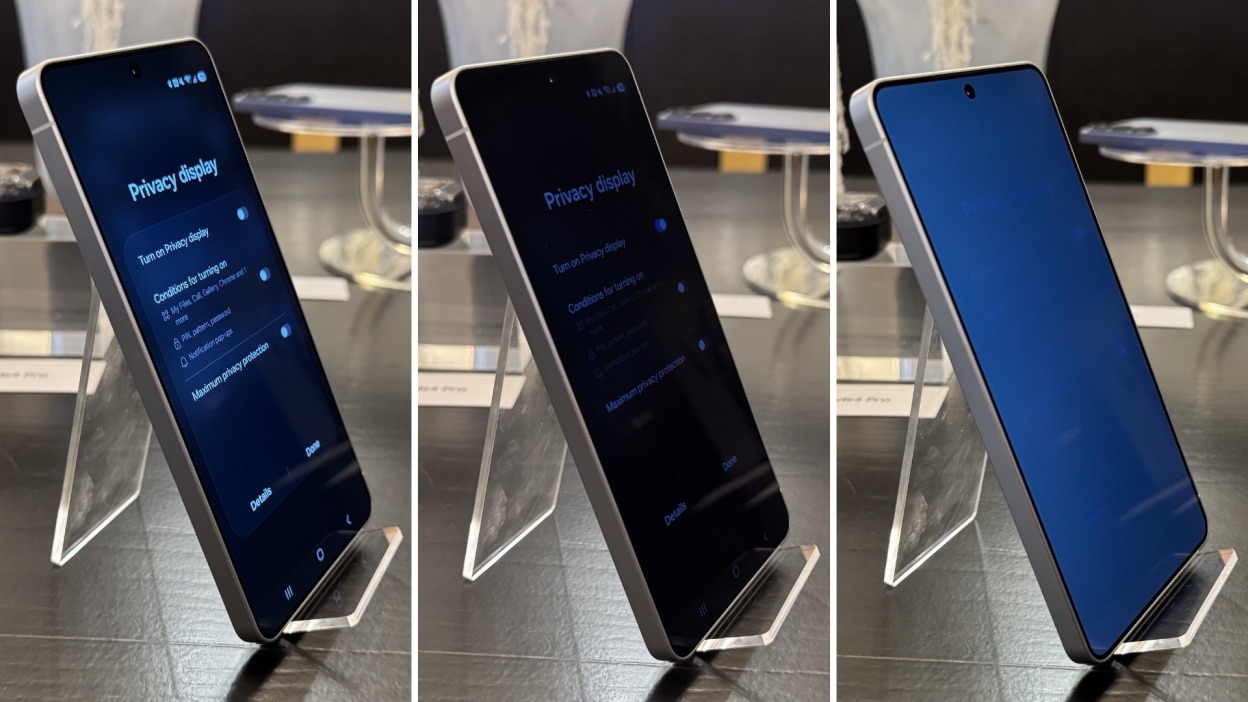
Here’s how the privacy display works in the Galaxy S26 Ultra. Image: mashable.com
Since the problem is truly tied to the panel’s structure, it can’t be fixed with a software update either. Firmware can adjust calibration, brightness, and mode behavior, but it can’t rewrite the physics of pixels. That’s why major English-language reviews are already discussing this as a widespread defect.
The logical conclusion right now is this: before buying the S26 Ultra, it’s better to see it in person, and if you’ve already bought one and feel significant discomfort, don’t delay with returning or exchanging it within the store’s policy. After all, getting used to this will be difficult, and why should you, when you’re paying top dollar for it.