Over the past couple of years, smartphone news has increasingly sounded like dispatches from the front lines. Prices are creeping up, processors are heating up more than we’d like, and truly noticeable improvements between generations are becoming fewer. But here’s one genuinely pleasant trend: according to analysts, the average storage capacity in smartphones will noticeably increase in 2026. And we’re not talking about marketing promises, but about very specific numbers and decisions from the biggest manufacturers. However, not everything is as straightforward as it might seem at first glance. Let’s break down what’s really behind this forecast.
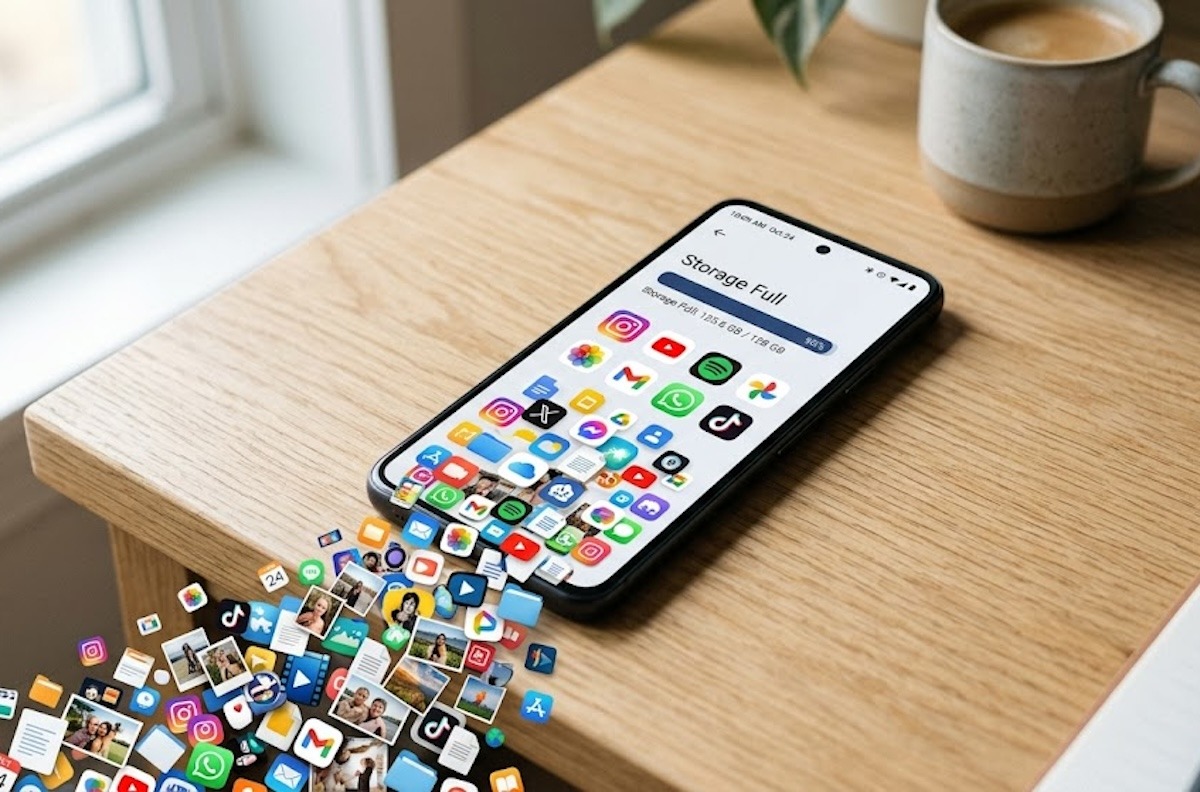
The low storage warning will now appear less frequently. At least until apps get bloated.
How Much Storage in iPhone 17 and Galaxy S26
I’ve been saying for a long time that 128 GB is barely enough for the most basic usage, and for a normal life with lots of apps, photos, and videos, you need at least 256 GB. And apparently, manufacturers have finally agreed with me. Apple raised the starting storage in the iPhone 17 from 128 to 256 GB, Samsung did the same with the Galaxy S26 after many years of stubbornly sticking with a base 128 GB, and some Chinese brands are even pushing 512 GB versions as the primary option.
In practice, this means that 256 GB is becoming the new standard for flagships. And you know, I can’t say this happened too soon.
Why Smartphones Need More and More Storage
Two factors have converged here. First, NAND memory manufacturers are updating their production processes, and producing small-capacity chips is simply becoming unprofitable. Models with 64 GB have almost disappeared, and 128 GB is gradually following suit. This isn’t about caring for the consumer — it’s plain production economics.
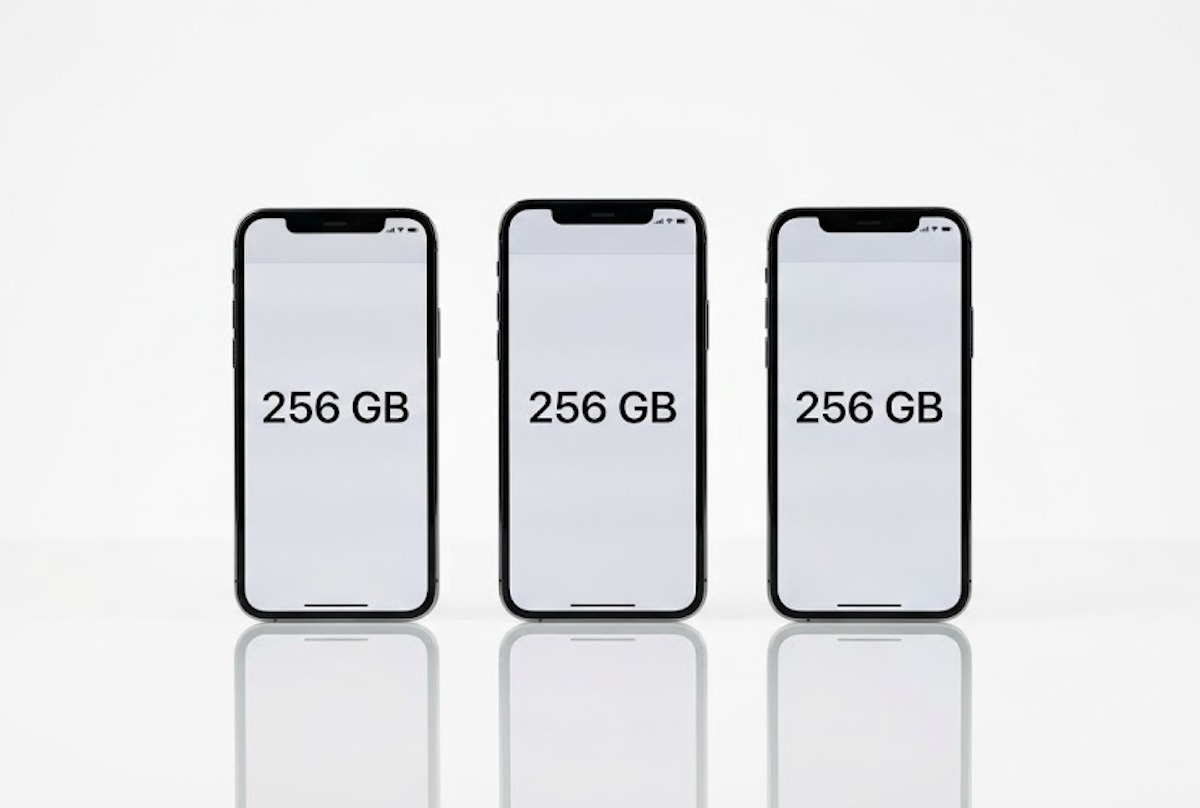
All smartphones will be cut from the same cloth.
Second, and this is far more interesting, a new storage consumer has emerged. Local AI models, which Apple, Samsung, and HUAWEI are actively implementing, require 40 to 60 GB of system storage just for data processing. If you thought 128 GB was still enough, try mentally subtracting 50–60 GB for the system and artificial intelligence on your smartphone, and estimate how much is left for photos and apps. Spoiler: not much.
Is 128 GB of Smartphone Storage Still Enough
According to TrendForce’s forecast, by the end of 2026, 128 GB smartphones may completely disappear from the mainstream Android segment, and 256 GB will establish itself as the standard configuration. Honestly, for me this is more good news than a reason for nostalgia. 128 GB in 2026 feels roughly the same as 32 GB felt about three years ago — it sort of works, but you’re constantly having to delete something.
On the other hand, the disappearance of budget options means rising smartphone prices. If you could previously get a flagship in the 128 GB version and save money, now the most affordable configuration will be 256 GB, which means the price tag will be correspondingly higher.
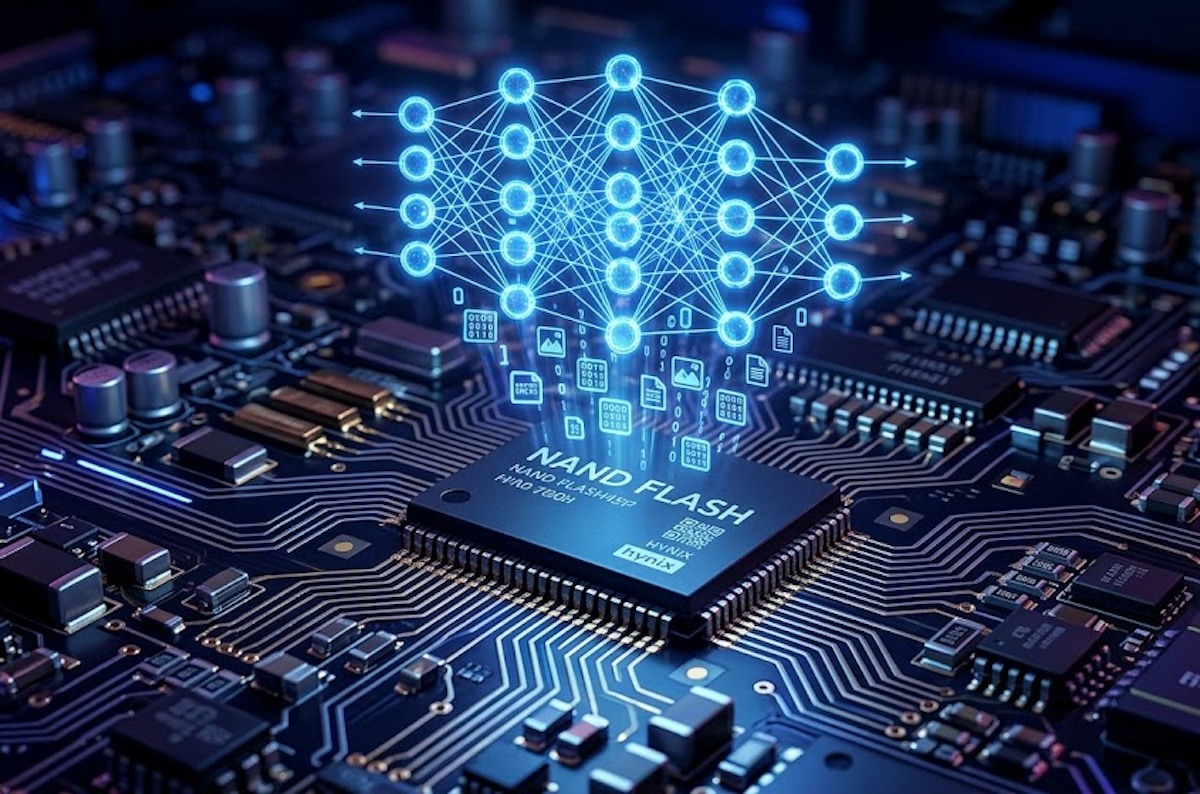
AI heavily impacts smartphone storage and demands more of it.
What Storage Capacity to Choose in a Smartphone
Yes, but with caveats. On one hand, more storage in a phone is always a good thing, and users only benefit from it. On the other hand, it’s worth remembering that the growth in storage capacity is largely driven not by concern for you, but by the fact that manufacturers need somewhere to store their AI models. Essentially, you won’t even see some of those additional gigabytes — they’ll be occupied by the system.
Against the backdrop of the overall smartphone price increases in 2026, the storage increase looks like one of the few genuinely positive changes. But personally, I wouldn’t call this generosity from manufacturers. Rather, it’s a necessity, beautifully packaged in marketing.