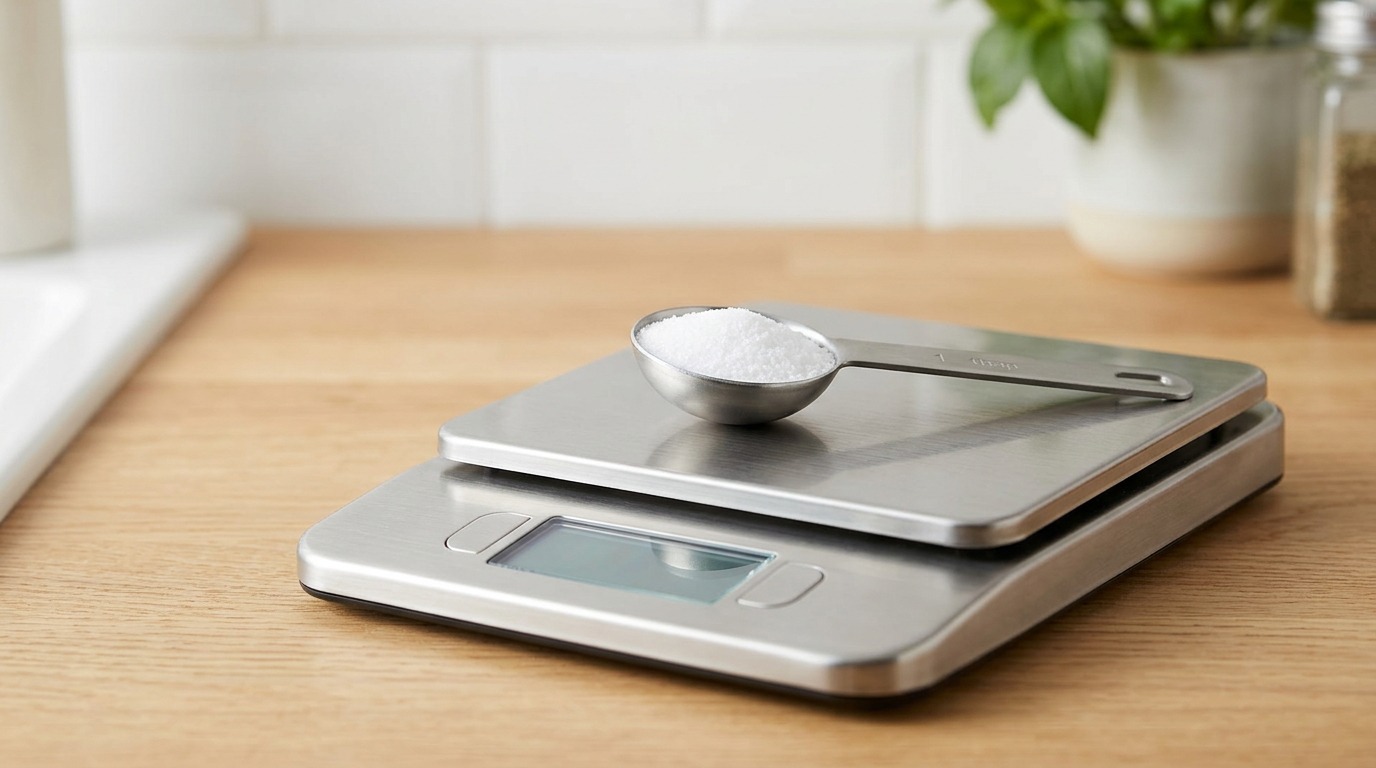
One teaspoon contains about 10 grams of salt
For years, we’ve been told that salt is the enemy of health and that the salt shaker should be kept far from the table. But research in recent years paints a much more complex picture: it turns out that too little sodium is also a problem, one with very specific and unpleasant consequences. Some experts claim that most people need significantly more salt than commonly believed. Why is that? Is it really true?
IMPORTANT: This article is informational in nature and reflects different perspectives on salt consumption. It does not replace a doctor's consultation. Before changing your diet, especially if you have chronic conditions, high blood pressure, or kidney problems, be sure to consult a specialist.
Why Salt Is Considered Harmful
It all started several decades ago, when the idea became firmly established in medical guidelines: sodium raises blood pressure, which means it increases the risk of heart attacks and strokes. Since then, “less salt” has become something of an axiom in dietetics. Many people still try to minimize their salt intake, and doctors often recommend low-salt diets “just in case.”
However, Dr. James DiNicolantonio, in Redmond Life, draws attention to the other side of the problem. According to his data, when we restrict salt too much, the body starts producing more insulin to retain the remaining sodium. This triggers a chain of undesirable reactions: blood glucose levels rise, blood supply to organs worsens, and more magnesium and calcium are lost through sweat. Simply put, trying to “get healthier” by giving up salt can lead to new problems.
It’s important to understand that this doesn’t mean salt can be eaten without limits. Excess sodium is indeed linked to hypertension. But the idea that “the less salt, the better” turned out to be overly simplistic. The truth, as usual, lies somewhere in between.
Daily Salt Intake for Humans in Grams
The World Health Organization recommends consuming no more than 5 grams of salt (less than a teaspoon) per day. But James DiNicolantonio considers this figure too low for most healthy people. In his book “The Salt Fix”, he references numerous studies and presents different figures:
- On regular days (without workouts): optimal sodium intake is approximately 7.5–12.5 grams.
- On workout days: 12.5 to 17.5 g of salt, depending on exercise intensity and sweat volume.
For reference: a level teaspoon of salt is approximately 5 grams. So according to DiNicolantonio’s recommendations, a healthy person needs one and a half to two and a half teaspoons of salt on a regular day.
IMPORTANT WARNING: These recommendations do not apply to people with certain conditions: hyperaldosteronism, Cushing's syndrome, Liddle's syndrome — in these conditions, the body retains too much sodium, and salt intake does indeed need to be limited. Additionally, individual requirements depend on many factors: pregnancy, dietary habits (how much sugar, how few carbohydrates), and the presence of intestinal or kidney diseases.
DiNicolantonio’s main advice sounds simple: listen to your body. If you crave salty food, your body is most likely telling you that you’re low on sodium.
Salt Deficiency in the Body: Symptoms and Signs
How can you tell if you’re not getting enough sodium? The body can send quite specific signals. Here’s what to watch for:
- Constant thirst that doesn’t go away even with adequate water intake;
- Cravings for salty food;
- Dark urine color and decreased urine volume;
- Cold hands and feet;
- Dryness of the tongue and armpits;
- Decreased skin elasticity — if you pinch the skin on the back of your hand and it doesn’t flatten out immediately but stays “tented” for a while;
- Slow capillary refill — press on a fingernail, release it: if the color takes more than two seconds to return, this may be a sign of sodium deficiency;
- Dizziness when standing up quickly;
- Rapid heartbeat when changing body position;
- In extreme cases — loss of consciousness due to low blood pressure.
Of course, each of these symptoms individually could be related to a dozen other causes. But if you notice several from the list at once, it makes sense to pay attention to the amount of salt in your diet. Especially if you actively exercise, drink a lot of coffee, or follow a low-carb diet — all of these factors increase sodium loss.
Why the Body Needs Salt
Salt is not just a flavor enhancer. It is one of the key electrolytes without which dozens of processes in the body cannot function. Here are the main functions that salt performs:
- Regulation of blood pressure and fluid volume in the body;
- Transmission of nerve impulses — sodium is necessary for the functioning of so-called sodium channels (these are “gates” in nerve cell membranes through which electrical signals pass);
- Transport of nutrients into cells;
- Maintaining normal digestion;
- Reducing sugar cravings — adequate sodium helps decrease sugar “withdrawal.”
This creates a paradoxical situation: by restricting salt for heart health, a person may provoke insulin resistance (decreased cell sensitivity to insulin), chronic fatigue, and even arrhythmia. At least, that’s what the data cited by DiNicolantonio in his book suggests.
Which Salt Is Best to Choose
Not all salt is created equal. Regular table salt, found in most kitchens, undergoes serious industrial processing: it is bleached, dextrose (a sugar) is added, along with artificial iodine. Moreover, studies show that industrial salt may contain microplastics — a byproduct of ocean pollution.
Less processed types of salt — sea salt, Himalayan salt, or salt from ancient deposits — retain natural trace minerals and contain no additives. Of course, the difference in sodium content between different types of salt is minimal: in any case, it’s approximately 40% sodium by weight. But the composition of trace elements differs, and if you have a choice, unprocessed salt is preferable.
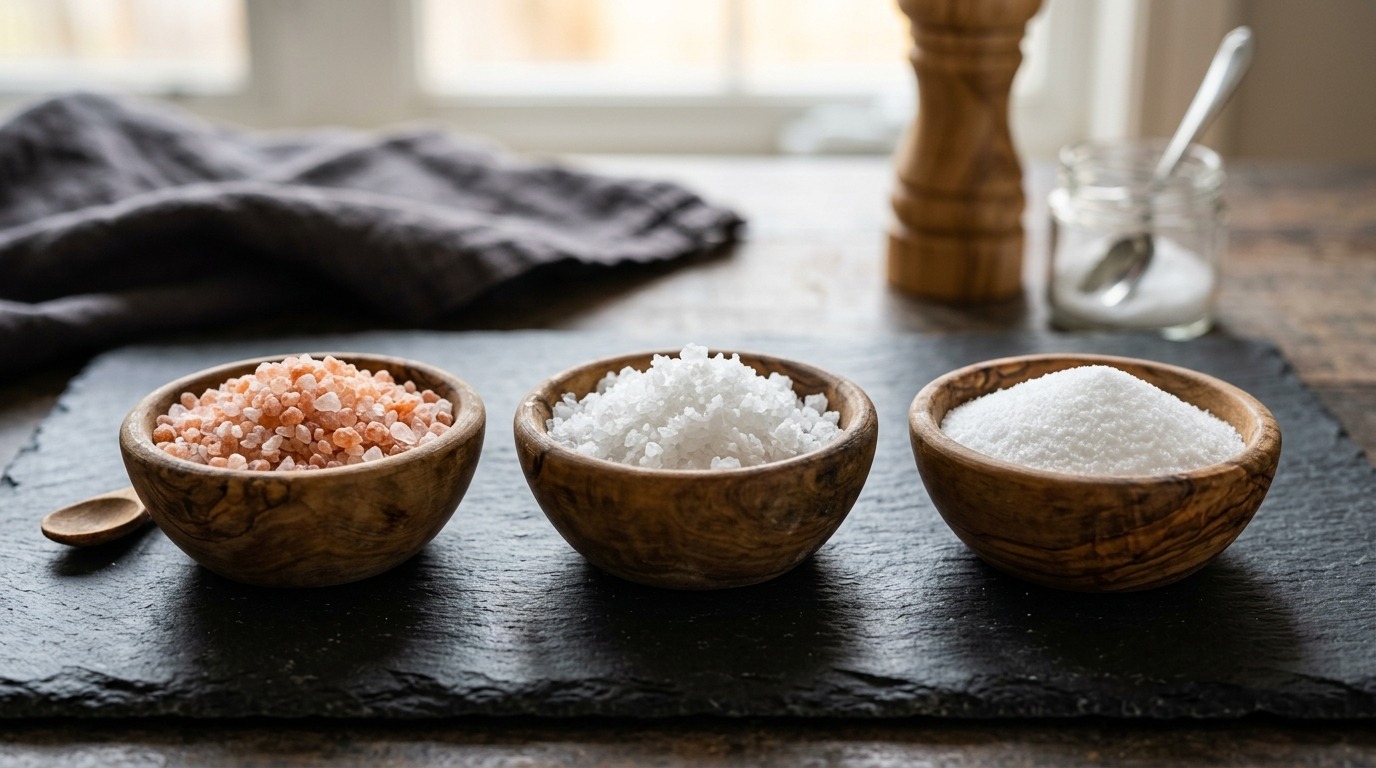
Himalayan, sea, and regular table salt differ not only in color but also in their trace element composition
Salt Myths: What’s True and What’s Not
Here we need to be honest. DiNicolantonio’s recommendations significantly exceed WHO norms and those of most cardiology associations worldwide. His position is not mainstream but rather an alternative viewpoint, albeit one supported by a number of studies.
The scientific community is far from consensus on this issue. There are large-scale studies that indeed show that too low sodium intake is associated with an increased risk of cardiovascular events — just like too high intake. But there are also studies that confirm the benefits of salt restriction, especially for people with hypertension.
The practical takeaway for the average person is simple: don't go to extremes. Completely giving up salt is a bad idea. But pouring it on without measure isn't wise either. If you're healthy, active, and don't have kidney or blood pressure problems, your body is likely pretty good at regulating its sodium needs on its own — just don't ignore its signals.
And if you have chronic conditions, especially related to the heart, kidneys, or endocrine system, any changes in salt intake are best discussed with a doctor. A universal norm that suits absolutely everyone simply doesn’t exist.