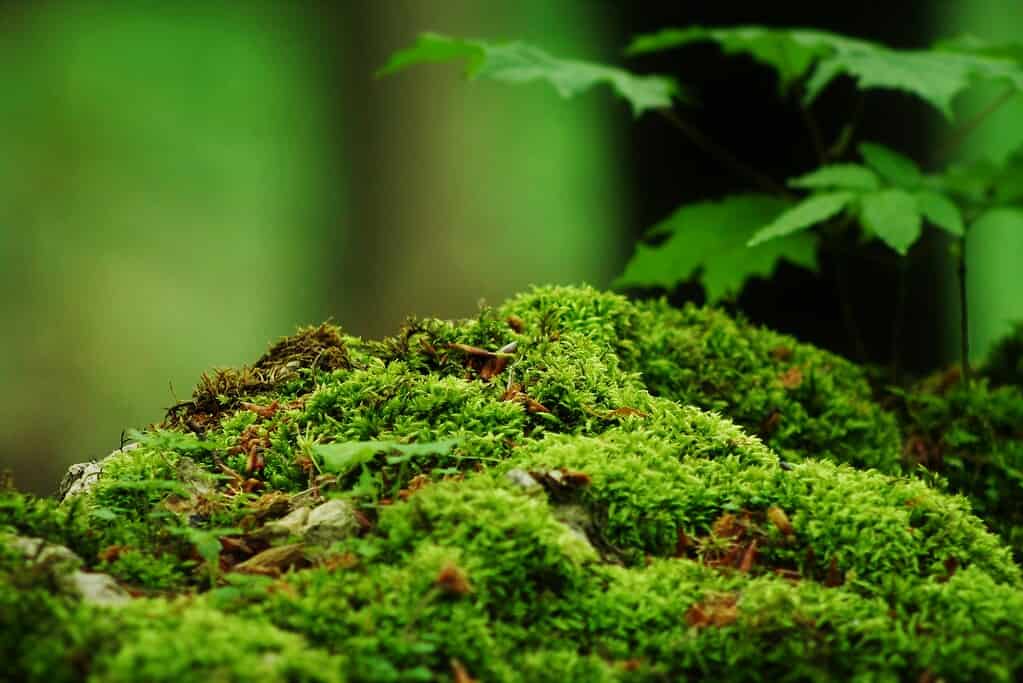
Moss could become a secret weapon in the fight against flash floods. Image source: zmescience.com
Roadsides are planted with grass that is mowed, watered, and maintained at great expense. But there is a plant that handles the job better — and simultaneously absorbs rainwater, heavy metals, and fine particles from exhaust fumes. We’re talking about ordinary moss. A researcher from the University of Limerick explained why replacing roadside lawn grass with moss is a real tool for protection against flooding, air pollution, and biodiversity loss, rather than a whim of landscape designers. This is especially important in places where urban flooding is becoming increasingly common.
How Moss Retains Water and Protects Roads from Flooding
Moss is fundamentally different from the grass we’re used to. It has no roots, flowers, or vascular system — it absorbs water and minerals directly from the air and precipitation. And it does so remarkably efficiently: many species of moss work like a natural sponge, capable of holding water many times their own weight.
Particularly impressive are the numbers for sphagnum — peat moss. A study of 21 sphagnum species showed that some of them absorb up to 44 times more water than they weigh when dry. For comparison, that’s as if a person weighing 70 kg could absorb and hold 3 tonnes of water.
It is precisely this property that makes moss potentially useful for roadsides. During heavy downpours, water quickly runs off asphalt and embankments, overloading drainage systems and causing flooding. Moss slows this process: it temporarily retains moisture and releases it gradually. For areas with dense road networks, where highways often run alongside residential areas (as, for example, in the UK), this is particularly relevant.
During heavy downpours, water quickly runs off asphalt and embankments, increasing the risk of post-storm flooding.
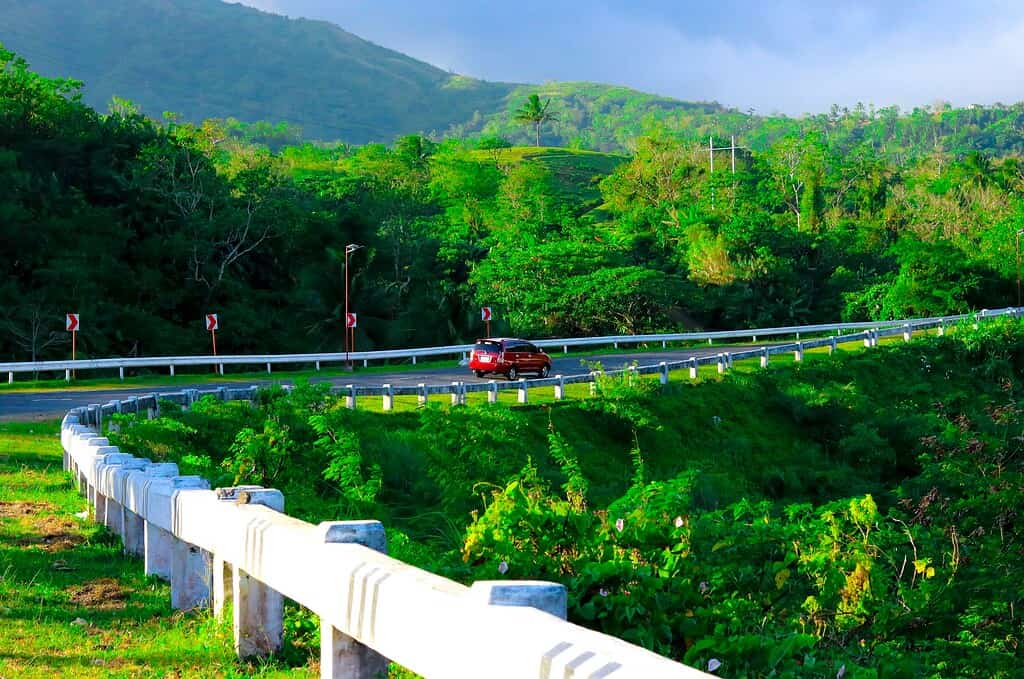
A typical European motorway with grass shoulders. Image source: zmescience.com
Why Moss Cleans Air and Captures Heavy Metals Better Than Grass
One of the most unusual properties of moss is its ability to accumulate pollutants from the atmosphere. Since moss has no roots, it obtains all its nutrition from the air. This makes it an ideal “catcher” of whatever is floating in that air: heavy metals, nitrogen compounds, and fine particulate matter emitted by vehicle engines (we’re talking about ordinary exhaust fumes).
Scientists have been using moss to monitor air pollution for decades. The European Moss Survey has been operating since 1990: every five years, researchers in dozens of countries collect samples and measure levels of heavy metals and persistent organic pollutants. Moss here serves as a bioindicator — a living air quality sensor.
For example, if moss starts changing color from green to brown, it signals severe pollution in the area.
If moss is planted along busy highways, it won’t just “show” pollution but will actually intercept some harmful particles before they reach surrounding ecosystems or residential areas. In urban environments, this approach is already being tested: the German startup Green City Solutions installs CityTree structures in European cities — “moss walls” that filter fine particulate matter and nitrogen dioxide right at pedestrian level. Similar ideas are also being tested in other formats, for example when moss cleans air directly on the surface of urban structures.
Why Roadside Moss Is Cheaper to Maintain Than Lawn Grass
Road shoulders are thousands of kilometers of green strips that need regular mowing. This means constant expenses for equipment, fuel, and labor. Moss solves this problem elegantly: it grows slowly and stays low. It doesn’t need to be mowed.
Moreover, moss is undemanding. It can grow on thin, poor soils, in shade, and on exposed surfaces — where grass often fails to take root. Areas where roads cut through hills or pass alongside forests are already shady and moist — exactly what moss needs.
For road maintenance services, this potentially means savings on maintenance and more sustainable landscaping. Instead of struggling with grass that won’t grow in shade, they can plant something for which these conditions are ideal.
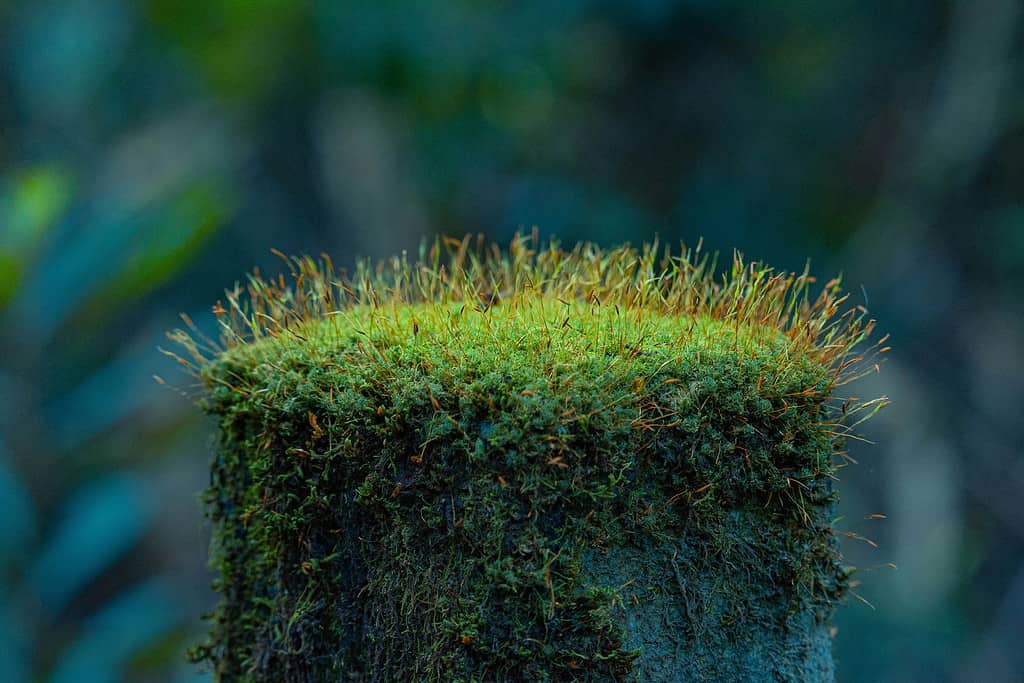
Moss helps preserve biodiversity along busy roads. Image source: zmescience.com
How Moss Helps Preserve Biodiversity
Road shoulders are not just strips of land for aesthetics. They form long, interconnected corridors along which insects, lichens, microorganisms, and other small inhabitants can move. In landscapes heavily altered by agriculture or development, these narrow strips help species move between fragmented patches of wildlife habitat. Even such small habitat patches matter for organisms without which entire ecosystems collapse, especially if insects were to disappear.
Moss mats create special microhabitats — moist, shaded patches needed by invertebrates and microorganisms that depend on moisture. Although research on roadside moss systems specifically is still limited, increasing plant diversity along roads could enhance ecological connectivity — that is, help living organisms overcome “barriers” of asphalt and concrete.
Why You Can’t Plant Moss on All Roadsides Right Now: Limitations and Challenges
Despite all its advantages, moss is not a universal solution, and scientists are honest about this.
- Slow growth. Establishing a stable moss cover on a new embankment can take several years. This is not grass that springs up in a couple of weeks.
- Salt. De-icing agents used on roads in winter damage many moss species. This is a serious limitation for areas with cold climates.
- Dryness and sun. Moss prefers shade and moisture. On open, well-lit road sections, it will grow poorly or fail to establish.
- Pollutant accumulation. Moss absorbs heavy metals but doesn’t break them down — they remain in the plant. Over time, this may require monitoring and periodic removal of contaminated moss.
All this means that moss should be applied precisely and purposefully: on shaded slopes, in humid climates, in places where grass already grows poorly. Not as a replacement for all roadside greenery, but as a supplement — where it can truly be useful.
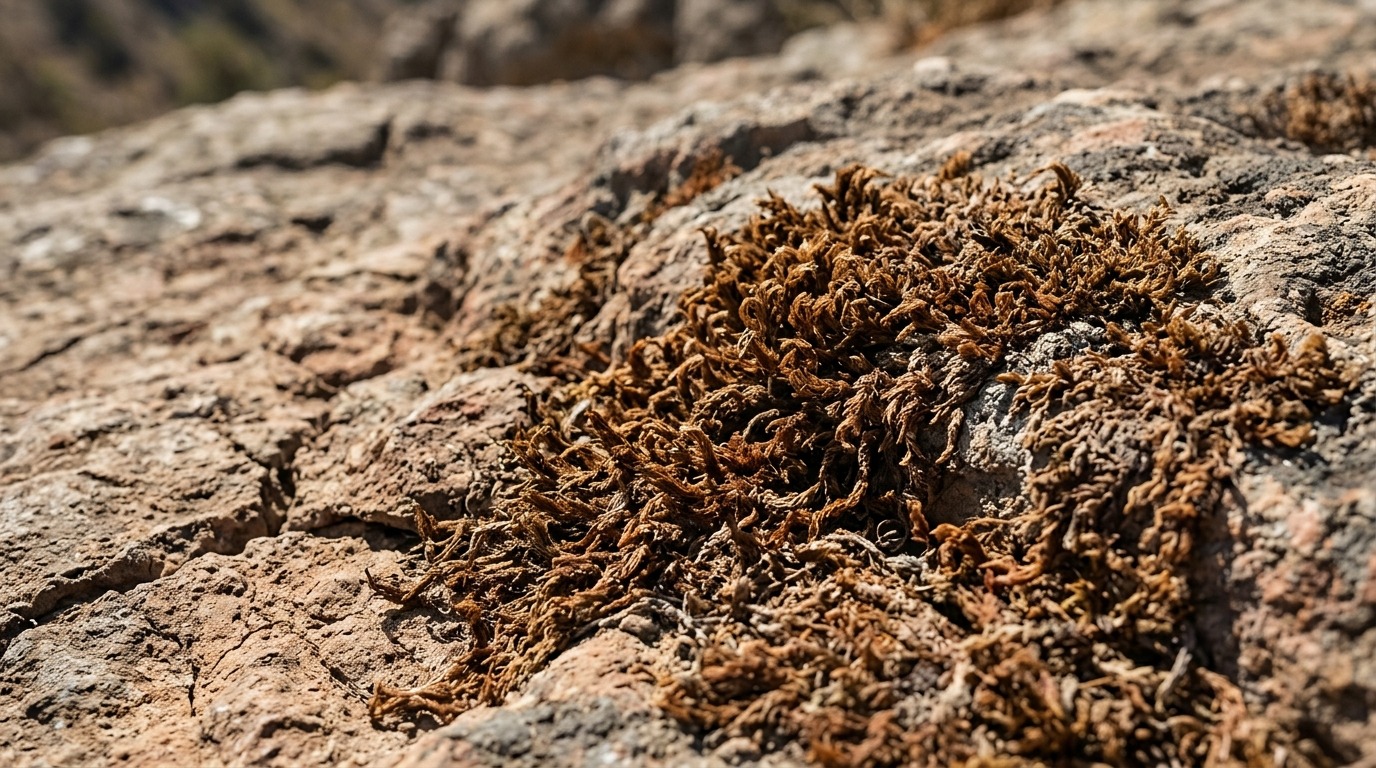
Moss doesn’t survive on open dry areas
How Roadside Moss Helps Protect Cities from Floods
Road networks occupy vast areas, but roadside vegetation is still viewed narrowly: mow it to keep things tidy. The idea of using moss is part of a broader approach: transforming roadsides from passive strips of land into active ecosystem tools that filter air, retain water, and support biodiversity.