In recent weeks, many Apple tech buyers in Russia have noticed a strange thing: prices for iPhones, MacBooks, and iPads have been gradually rising. At first glance, this seems unexpected, since the dollar is still at a low point. However, the coincidence turned out to be no accident. One of the reasons was a new wave of tensions between the US and Iran, which is affecting the global economy and logistics. You weren’t imagining it: a local conflict has already led to a shortage of Apple products in Russia. But what about prices?
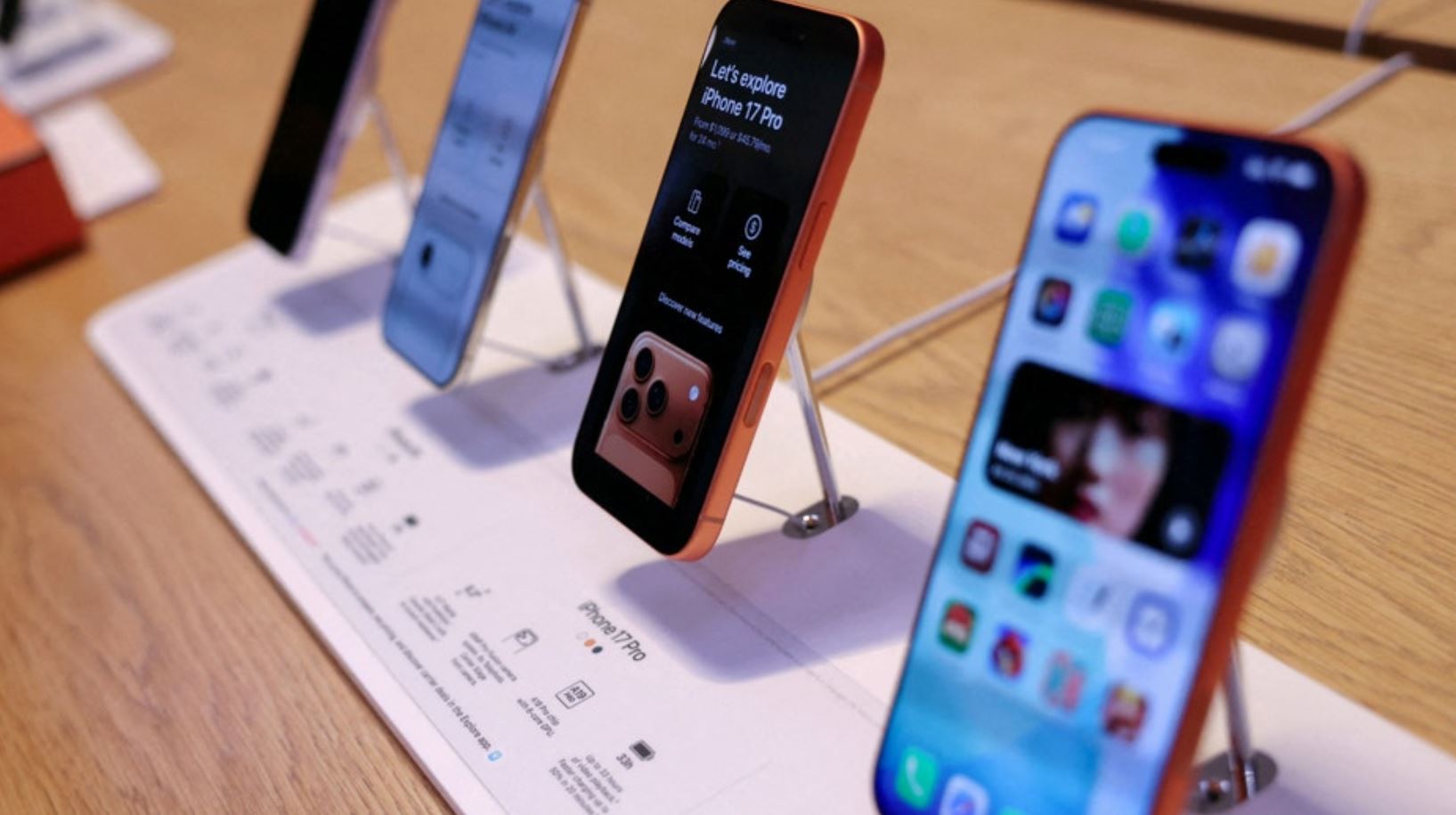
Understanding why Apple product prices have risen in Russia. Photo: foxnews.com
Why Apple Products Are Getting More Expensive
At first glance, it might seem that the Middle East conflict has nothing to do with Apple products. After all, they are manufactured in completely different countries. A vivid example is the new iPhone 17e, whose price hasn’t changed at all. But that’s only for now: the global economy works in such a way that events like these affect several factors at once, all of which influence the price of electronics and other goods.
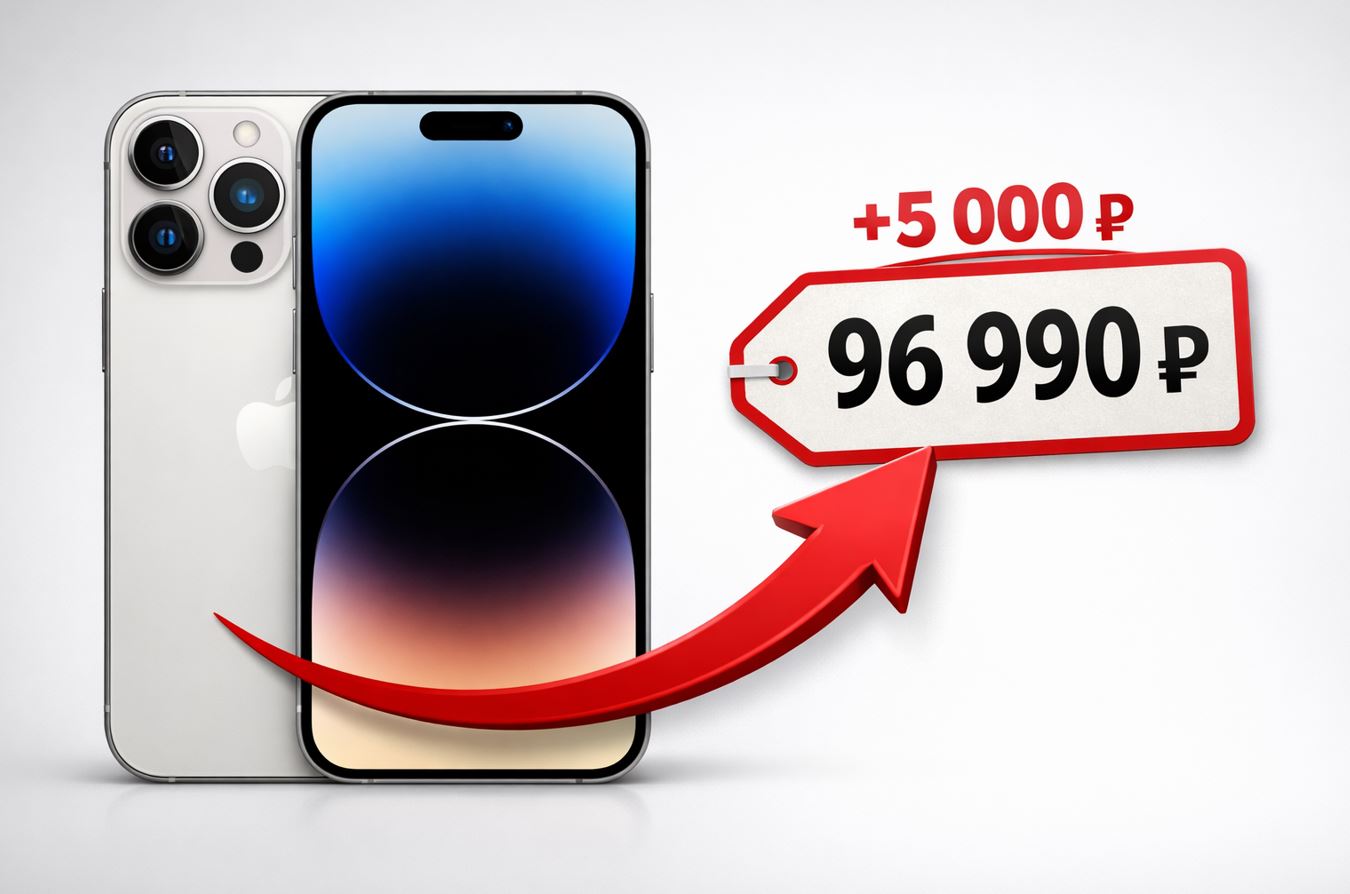
World events one way or another affect the cost of any goods
- First, there are currency exchange rates. When geopolitical tensions rise, investors begin to exit risky assets. This leads to currency fluctuations, and the Russian electronics market is almost entirely dependent on the dollar. Even a small change in the exchange rate is immediately reflected in device prices.
- Second, logistics costs are rising. Electronics shipments pass through international transport routes, and any conflicts in the region can increase insurance and delivery costs. Intermediary companies factor these risks into the price of goods.
- Third, instability in component markets is increasing. Many microchips, displays, and other parts for tech products are manufactured in various countries. When the global economy starts reacting to political events, suppliers raise prices or reduce shipments.
The rising iPhone prices in Russia are further exacerbated by the fact that Apple doesn’t sell devices directly in the country, so any changes in global markets are quickly transmitted through the supply chain and intermediaries.
How Apple Product Prices Have Changed in Russia
If you look at prices in major online stores and marketplaces, you can see that the increase has already begun. But not everywhere. For example, the prices of some iPhone models at M.Video have actually dropped compared to February. Here’s an approximate picture.
| Model | February 2026 | Early March 2026 | Change |
|---|---|---|---|
| iPhone 17 (256 GB) | ≈ 89,990 ₽ | ≈ 87,990 ₽ | −2,000 ₽ |
| iPhone Air (256 GB) | ≈ 102,990 ₽ | ≈ 99,999 ₽ | −3,000 ₽ |
| iPhone 17 Pro (256 GB) | ≈ 134,990 ₽ | ≈ 129,999 ₽ | −5,000 ₽ |
iPhone prices on Ozon have also decreased compared to February. But there’s a catch: many smartphones are shipped from Dubai, so order delivery can be significantly delayed due to tensions in the region and closed airports. And keep in mind the customs duty on smartphones from abroad.
| Model | Price a month ago (Ozon) | Current price (Ozon) | Change |
|---|---|---|---|
| iPhone 17 (128 GB) | ≈ 74,000 ₽ | ≈ 69,000 ₽ | −5,000 ₽ |
| iPhone Air (256 GB) | ≈ 88,000 ₽ | ≈ 83,000 ₽ | −5,000 ₽ |
| iPhone 17 Pro (256 GB) | ≈ 105,000 ₽ | ≈ 95,000 ₽ | −10,000 ₽ |
So what price increase are we talking about? The thing is that iPhone prices have risen in small online stores, many of which began repricing on the first day of March. Here’s an example from one of them.
| Model | February 2026 | Early March 2026 | Change |
|---|---|---|---|
| iPhone 17 (256 GB) | ≈ 94,990 ₽ | ≈ 96,990 ₽ | +2,000 ₽ |
| iPhone Air (256 GB) | ≈ 109,990 ₽ | ≈ 112,990 ₽ | +3,000 ₽ |
| iPhone 17 Pro (256 GB) | ≈ 134,990 ₽ | ≈ 139,990 ₽ | +5,000 ₽ |
So are the media lying when they say that Apple products in Russia have become more expensive due to the Middle East conflict? It’s not that simple: a kind of anomaly is occurring in the domestic market. And here’s why.
Why iPhones Have Different Prices in Russia
The different price dynamics for iPhones at M.Video, on Ozon, and in small online stores can be explained by the fact that these are essentially three different retail market models. Each has its own supply sources, pricing logic, and speed of reaction to changes in currency exchange rates or wholesale prices.
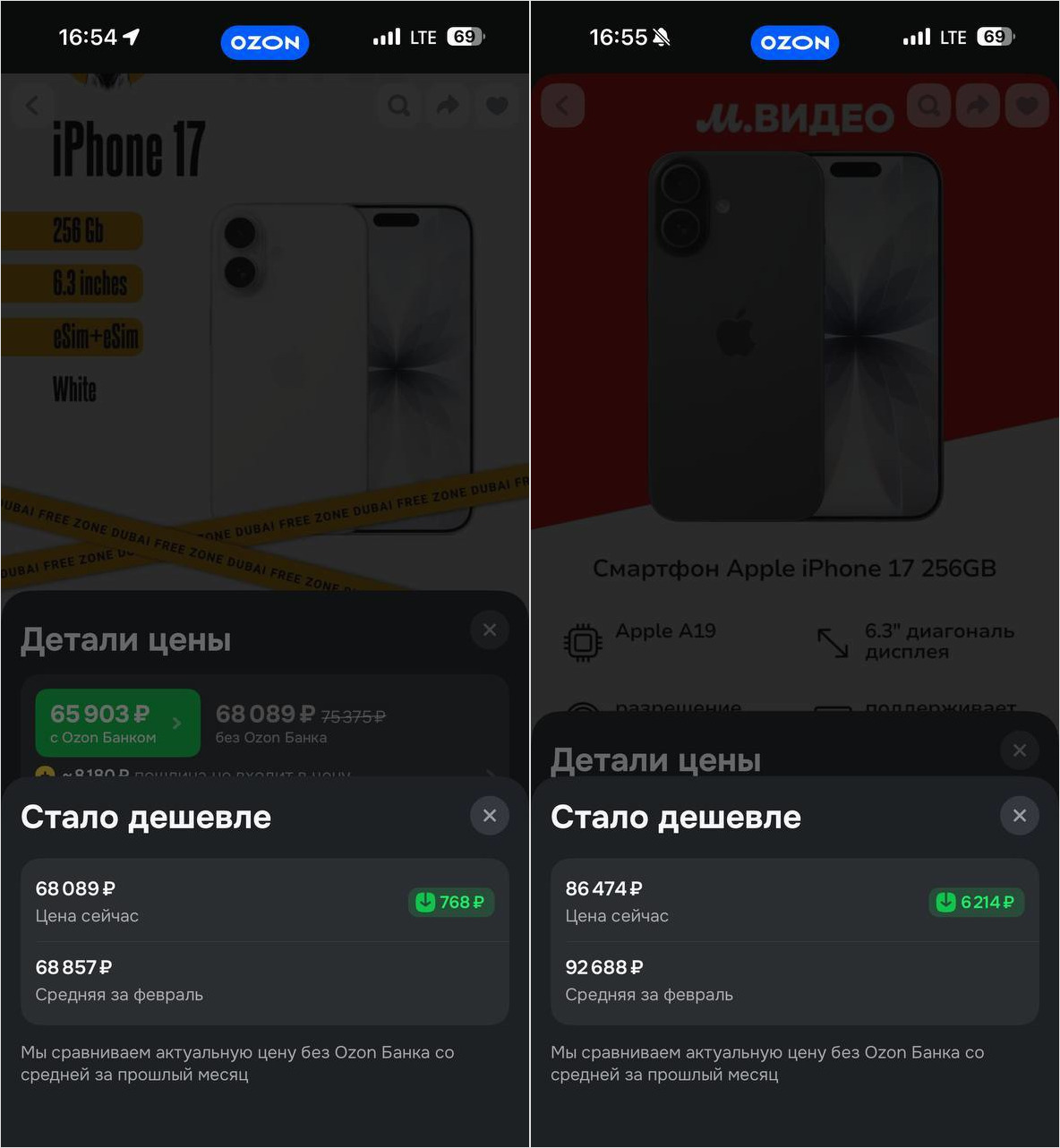
How is it that iPhone prices aren’t really rising at all? And are even dropping?
- Large federal chains like M.Video usually purchase iPhones in large batches in advance and maintain significant warehouse stock. This means that the retail price doesn’t always instantly react to changes in wholesale costs. Even if a new batch of devices costs more, the retailer can continue selling old stock at the previous price for some time.
- Marketplaces like Ozon operate on a completely different logic. Here, dozens of sellers simultaneously compete on a single product listing, and it’s this competition that shapes the final price. If one seller brings in a cheaper batch of smartphones or is willing to reduce their margin for the sake of turnover, the listed price can drop sharply.
- Small online stores find themselves in the most vulnerable position. They don’t have large warehouse stocks or the ability to purchase tech in huge batches at favorable prices. Most often, they work through distributors or intermediaries and are forced to quickly recalculate product prices when currency exchange rates or supply conditions change.
As a result, a paradoxical situation emerges: on marketplaces, tech can get cheaper due to seller competition, in large chains the price remains relatively stable, and in small stores it starts rising the fastest. This clearly demonstrates how much the market structure influences the final cost of Apple products for buyers.
Could Apple Products Get Even More Expensive
Many analysts believe that the current rise in Apple product prices may be just the beginning. If geopolitical tensions continue to escalate, this could affect several economic factors simultaneously.
- First, new fluctuations in the ruble exchange rate are possible, which is already clearly visible. For electronics, this is one of the key pricing factors. If the dollar strengthens, the cost of imported tech will automatically increase.
- Second, international logistics may become more expensive. This is especially important for Apple products, which often pass through several countries before reaching Russian stores.
- Third, temporary supply disruptions are possible. If new batches of devices arrive more slowly, retailers may start raising prices due to limited supply.
Yes, based on what we mentioned above, iPhone prices are currently falling because the market is becoming saturated, but they can fluctuate in real-time due to currency exchange rates and logistics problems. What should you do: buy an iPhone now or wait?