
A major new study has shown that proper nutrition is equally important for the brain and that you need to start paying attention to it earlier than you might think.
Most people only start worrying about memory and mental clarity in old age. But a growing body of research shows: brain health is largely shaped much earlier — sometimes decades before the first problems appear, and even ordinary foods can affect memory and mood. A large-scale study has shown that diet around ages 40–50 is linked to the state of cognitive function in old age. Scientists found that people who followed a healthier diet in middle age were less likely to experience decline in memory, attention, and mental clarity decades later.
A Study of 159,000 People Showed a Link Between Diet and Memory
The research was conducted by an international team led by Changzheng Yuan from Zhejiang University and Kjetil Bjornevik from the Harvard T.H. Chan School of Public Health. The scientists analyzed data from 159,347 adults who were followed for approximately 30 years.
Participants regularly filled out detailed questionnaires about their diet — approximately every four years. This allowed the researchers to observe real long-term dietary habits rather than one-time changes.
Of particular interest was the so-called DASH diet. It was originally developed to lower blood pressure, which has a devastating effect on our bodies. The basic principle is simple: more vegetables, fruits, whole grains, fish, and legumes, and less salt, sugar, and fatty meats.

The study results indicate that diet is associated with early signs of cognitive aging, highlighting the importance of healthy eating for maintaining cognitive function in the long term.
The results were impressive. People who followed this type of diet most consistently had a 41% lower risk of noticeable cognitive decline compared to those whose diet was less healthy.
Why Ages 40–50 Matter for Brain Health
The most interesting finding of the study was the timing when diet has the greatest impact on the brain. The strongest association was observed in people who maintained a healthy diet between approximately ages 45 and 54.
According to the scientists, this is the period when the long-term “aging trajectory” of the brain is formed. Many risk factors for dementia begin to develop in middle age — for example, high blood pressure or type 2 diabetes, which are strongly influenced by diet.
What to Eat for Optimal Brain Function
The study also revealed a general pattern: all six healthy eating patterns examined reduced the risk of cognitive problems. This suggests that overall diet quality matters more for the brain than strictly following one specific diet. However, the DASH diet showed the greatest effect.
The study compared the following dietary patterns: the DASH diet, the Alternative Healthy Eating Index (AHEI), the Alternate Mediterranean Diet (AMED), the Healthful Plant-Based Diet Index (hPDI), as well as the Empirical Dietary Inflammatory Pattern (EDIP) and Empirical Dietary Index for Hyperinsulinemia (EDIH).
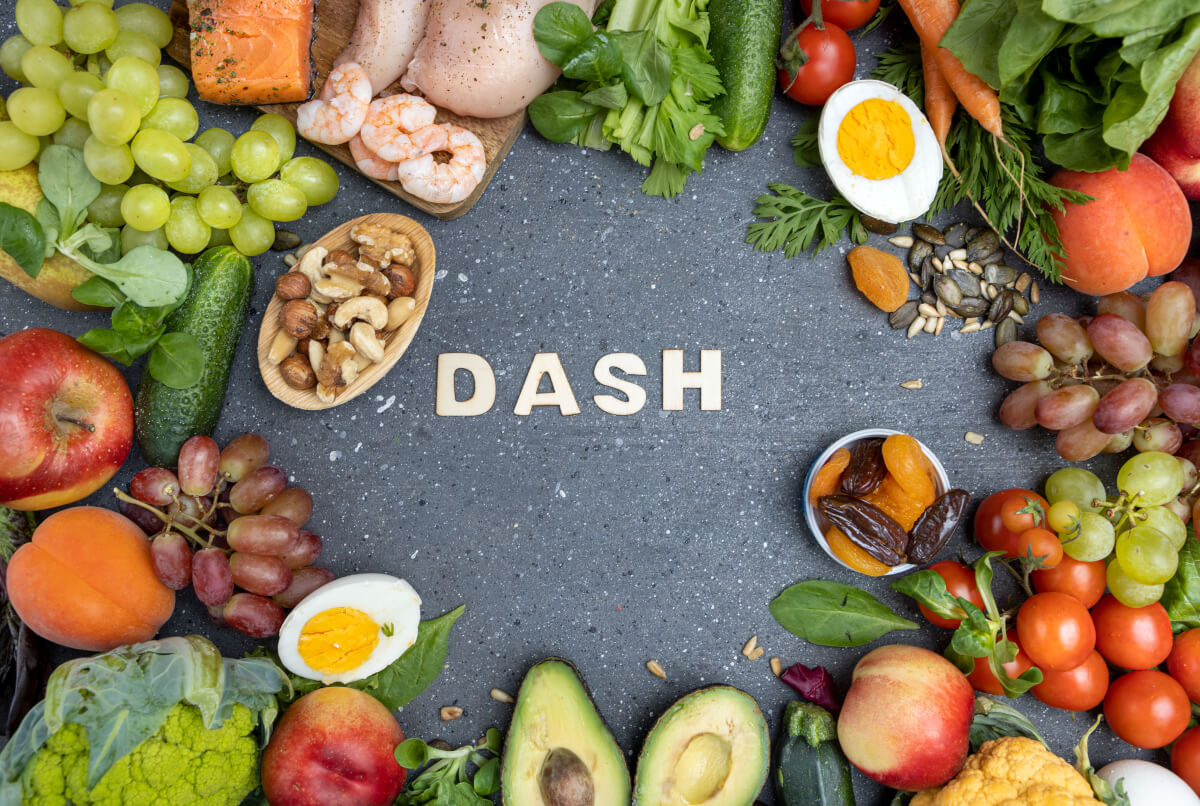
The DASH diet is based on consuming vegetables, fruits, whole grains, legumes, fish, and less salt, sugar, and unhealthy fats. Image source: studyfinds.com
At the same time, certain foods were consistently linked to cognitive decline: fried potatoes, processed red meat, and sugary drinks — products that can literally impair brain function.
On the other hand, vegetables, fish, and whole foods demonstrated a protective effect — these are the types of foods associated with better memory and cognitive function.
The scientists emphasize that a healthy diet does not guarantee perfect memory in old age. But it may be one of the simplest ways to reduce the risk of brain problems and maintain mental clarity in later years. And when it comes to specific products, extra virgin olive oil is also very beneficial — it too has been linked to slower brain aging.