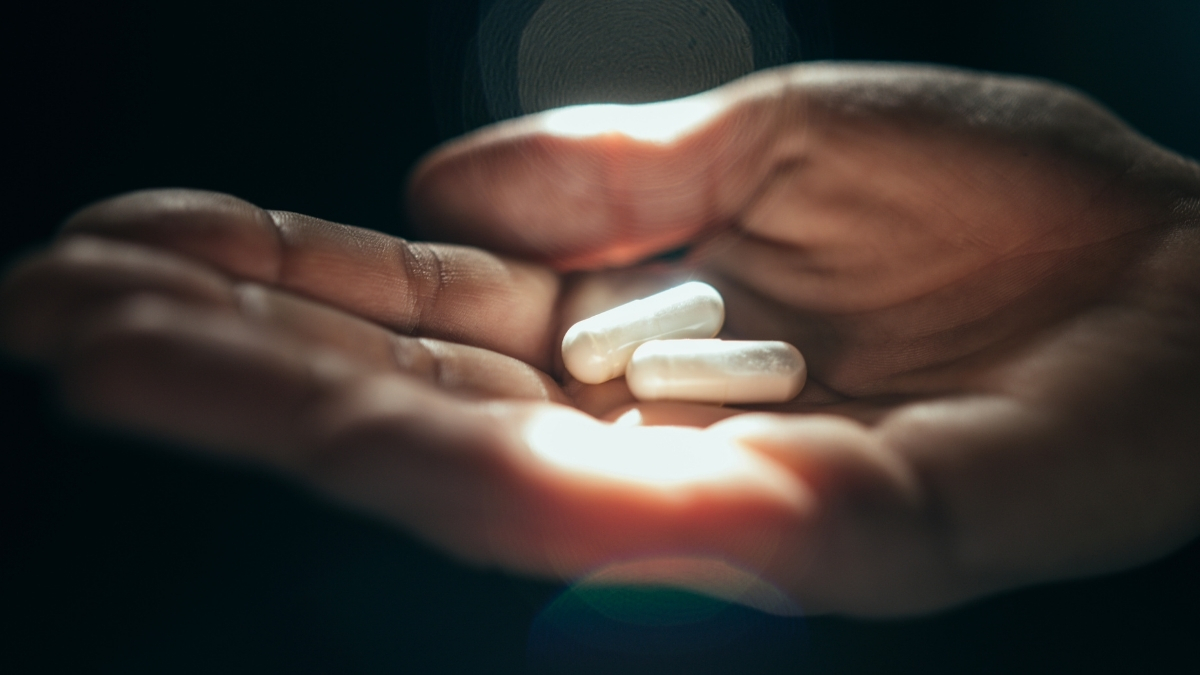
Prebiotic powder — one of the most accessible supplements for supporting gut microflora
Inexpensive plant-based prebiotics, freely available in pharmacies, improved cognitive test results in people over 60 within three months. A first-of-its-kind twin study found that daily intake of protein and prebiotic supplements improves memory test results in older adults. Today, researchers are increasingly studying how common supplements and food in general affect the brain, not just digestion and weight.
Which Prebiotics Improve Memory and Brain Function
A double-blind study tested two inexpensive plant-based prebiotics available over the counter in many countries. Prebiotics are indigestible substances that stimulate the growth of beneficial bacteria in the gut.
The first supplement was inulin, a dietary fiber from the fructan class. The second was fructooligosaccharides (FOS), a plant carbohydrate often used as a natural low-calorie sweetener. Both substances belong to the class of prebiotic fibers. They can be found in chicory, Jerusalem artichoke, garlic, onions, and bananas, as well as in powdered supplement form on marketplaces and in health food stores.
In the study, participants received 7.5 grams of a prebiotic blend of inulin and FOS per day — a commercial product called Darmocare Pre. Both groups also took 3.32 grams of protein powder with branched-chain amino acids (BCAAs). The only difference between the groups was that one received the prebiotic while the other received a placebo.
How the Prebiotic Study in Older Adults Was Conducted
Researchers from King’s College London recruited 36 pairs of twins aged 60 and older. Each pair was randomly split: one twin received a daily dose of prebiotic in protein powder, while the other received a placebo in the same type of powder.

Twins are ideal study participants: identical genes but different supplements
Since the genetics within each pair were identical, any difference in results reflected the effect of the supplement rather than inherited traits. This is precisely why twin studies are so valuable: they allow researchers to separate the effects of environment and nutrition from the influence of genes.
The experiment was conducted entirely remotely — through video visits, online questionnaires, and cognitive tests, with participants sending biological samples by mail. The duration was 12 weeks. Participants came from the TwinsUK cohort — the largest registry of adult twins in the United Kingdom. The average age was 73, and 78% of participants were women.
How the Gut Affects the Brain and Memory Through Microbiota
Twins who took inulin or FOS showed, on average, better results on cognitive tests after three months. Additionally, fiber intake led to noticeable changes in gut microbiota composition. Specifically, those taking prebiotics showed an increase in beneficial Bifidobacterium bacteria.
According to lead author Mary Ni Lochlainn, prebiotics allowed participants to cut the number of errors on a memory test in half. This refers to the Paired Associates Learning (PAL) test — a standard tool used for early diagnosis of cognitive impairments, including Alzheimer’s disease. This is especially significant given new data on how Alzheimer’s destroys the brain even before obvious symptoms appear.
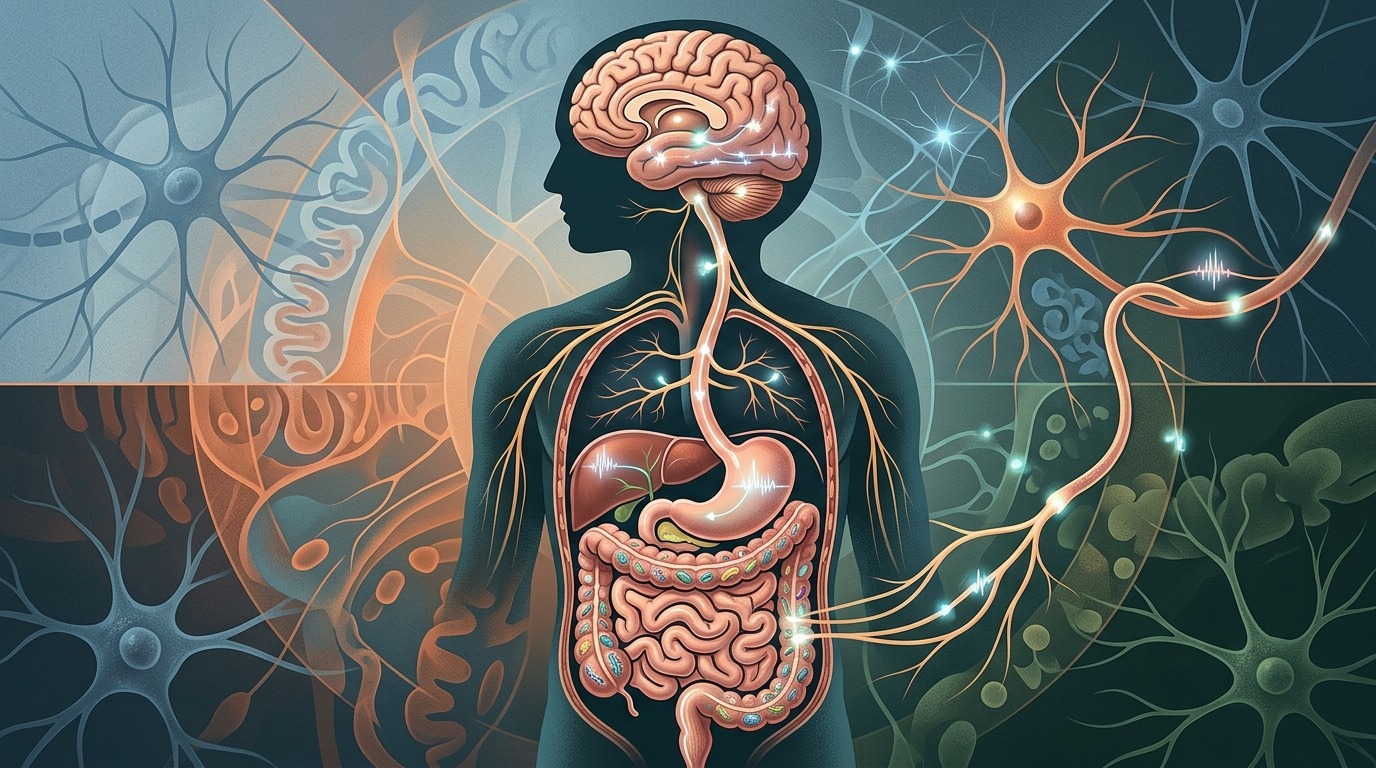
The gut-brain axis: bacteria in the digestive tract exchange signals with the nervous system
But how exactly do gut bacteria affect the brain? The gut-brain axis is a bidirectional biochemical communication channel between the gastrointestinal tract and the central nervous system. Think of it as a telephone line through which the brain and gut constantly exchange signals.
The exact mechanisms are still being studied, but the main channels are already known: bacterial production of short-chain fatty acids (SCFAs), effects on the immune system, production of neurotransmitters, and stimulation of the vagus nerve — the main “wire” between the gut and the brain. This idea has been confirmed before: gut bacteria can directly influence memory and cognitive functions. Studies in mice show that Bifidobacterium bacteria reduce cognitive deficits specifically through regulation of these gut-brain connections.
Is There Proof: Limitations of the Prebiotic Study
Before rushing to the pharmacy, it’s worth understanding the boundaries of what the experiment showed. The improvement in cognitive function was a secondary endpoint of the study, not the main question it was designed to answer. Originally, the researchers were testing whether prebiotics could slow muscle mass loss.
Prebiotics did improve some aspects of cognitive function — memory and information processing speed — but did not show significant physical effects. Muscle mass loss in twins taking the supplements did not slow down.
There are other limitations that the authors themselves honestly acknowledge:
- The sample of 72 people is small, and the researchers themselves admit it may have been insufficient for assessing muscular effects.
- Most participants were women, and although adjustments for sex were made, this may create bias in the results.
- There is no data on long-term effects — the experiment lasted only 12 weeks.
- The experiment was conducted entirely remotely, which limited the accuracy of physical measurements.
Gerontologist Claire Steves from King’s College London noted that the next step is to verify whether the effects persist over a longer period and in larger groups of people.
How Prebiotics Help Preserve Memory and Mental Clarity After 50
The gut-brain connection is one of the fastest-growing areas of neuroscience. Recent research links gut microbiota to a wide range of conditions — from anxiety and depression to Parkinson’s and Alzheimer’s diseases. The human digestive tract contains more than 100 million neurons — more than any other organ outside the brain. Some scientists call the enteric nervous system the “second brain.”
The updated 2024 Lancet commission report added two new risk factors for dementia — elevated LDL cholesterol and uncorrected vision loss — and indicated that nearly half of all dementia cases worldwide can be prevented or delayed by addressing 14 modifiable risk factors. This means that lifestyle, nutrition, and prevention play an enormous role in preserving cognitive function.

A diet rich in fiber and diverse plant foods supports the health of gut microflora
The study authors emphasize that plant fibers are cheap, available without a prescription, and safe. However, it’s important to understand the difference between a promising preliminary result and a proven treatment. People with irritable bowel syndrome or sensitivity to fermentable oligo-, di-, monosaccharides, and polyols should be cautious: inulin and FOS are fermentable carbohydrates that can cause bloating and gut discomfort.
Why the Prebiotic Twin Study Is So Important for Science
The main value of this work is not that it “found a cure for the brain.” Twin studies are the best way to separate the influence of genetics and environment on human health. When two genetically identical people receive different supplements and show different results, it provides compelling evidence of the supplement’s actual effect.