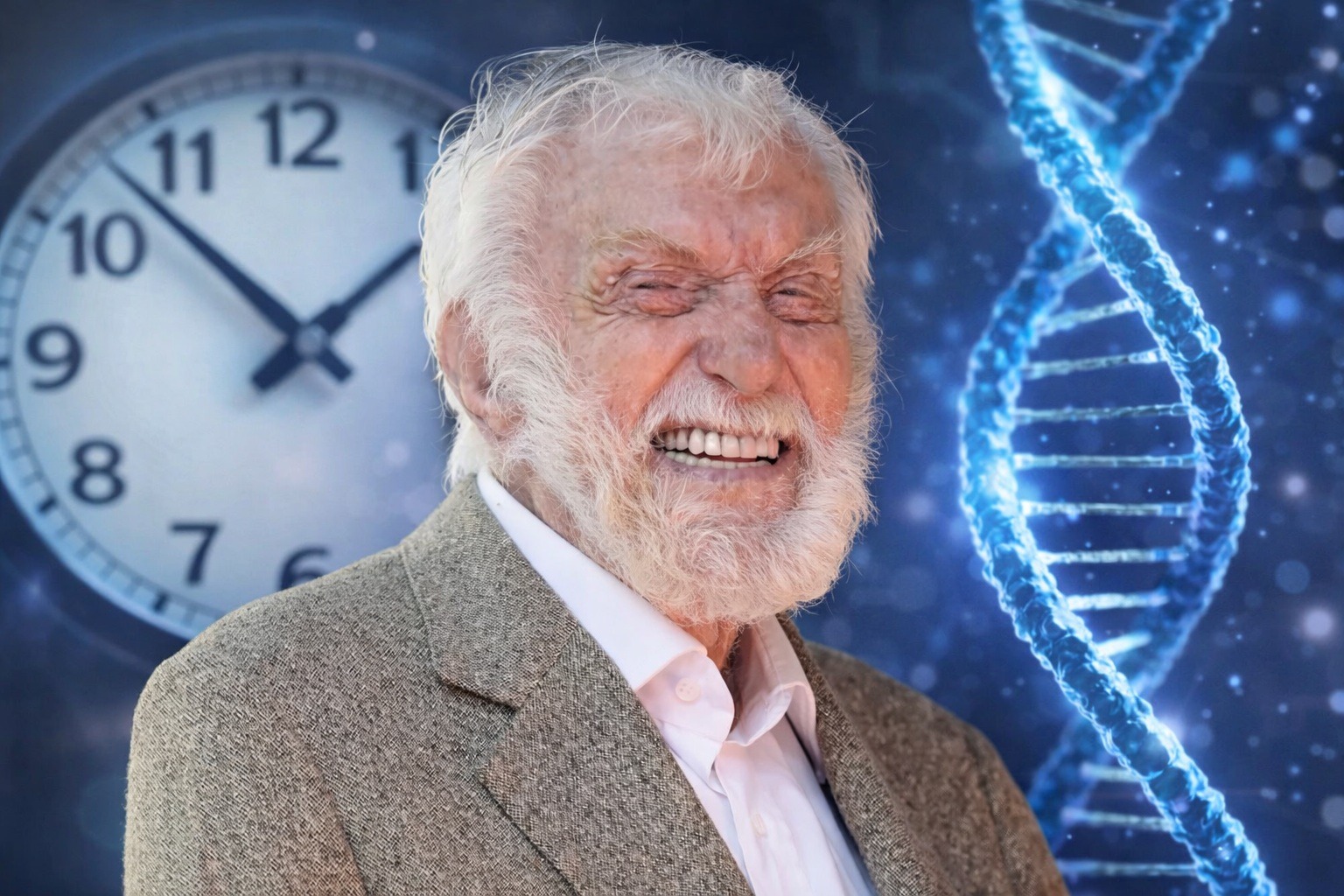
Dick Van Dyke shared the secret to longevity, but some people will find it hard to follow
Hollywood actor Dick Van Dyke is currently 100 years old. He’s not particularly well-known in Russia, but in the US he’s a star because he appeared in the classic 1964 film Mary Poppins. When asked how he managed to live to such an age in great shape, he revealed the secret to his longevity. And it’s ridiculously simple.
Why a Positive Attitude Extends Life
According to Science Alert, the actor owes his long life to his ability not to get angry. And scientists have long noticed the connection between a person’s temperament and how long they live. The most interesting evidence came from an unexpected source — a convent.
In the 1930s, a group of young nuns (approximately 22 years old) were asked to write short autobiographies. They simply talked about themselves, not suspecting they were participating in an experiment. Six decades later, researchers analyzed these texts and compared them with how the women’s lives turned out.
The result amazed everyone. Nuns who used positive words (gratitude, joy, happiness) lived on average 10 years longer. Those whose texts were filled with negativity or complaints passed away earlier.
And this isn’t an isolated case. Large-scale studies only confirm the rule:
- A British study proved that optimists live 11–15% longer than pessimists;
- An American study showed that positive women were much more likely to live to 90 than perpetually dissatisfied ones.
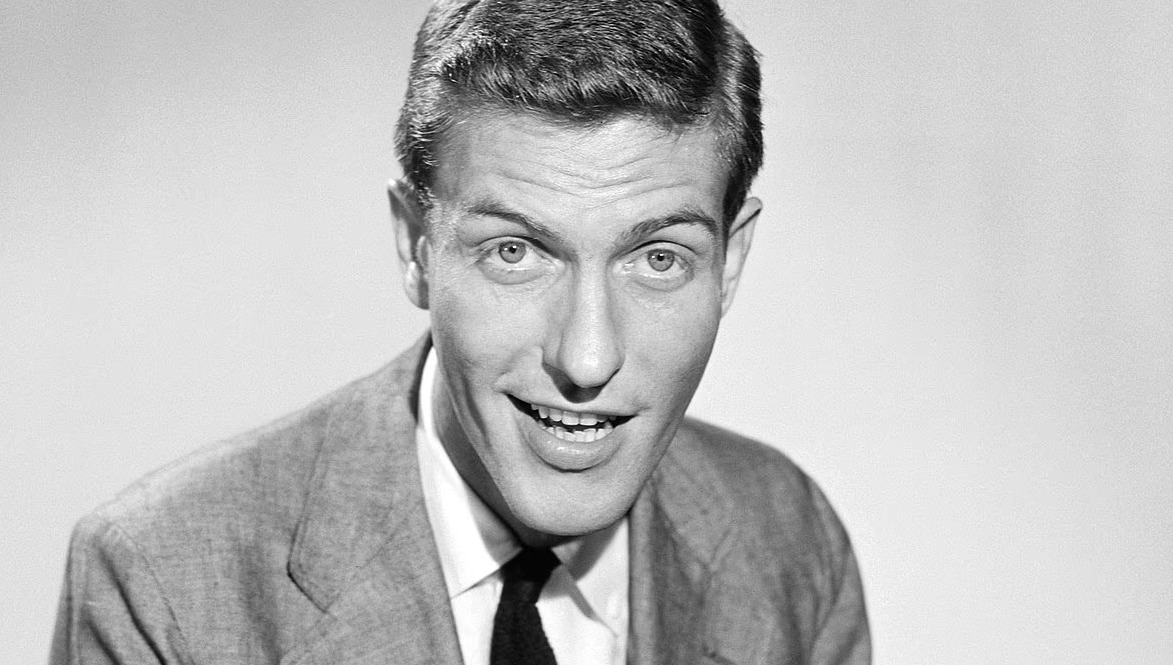
Dick Van Dyke in his youth. Image source: dailymail.co.uk
What Happens to the Body When We Get Angry
Why does optimism work like medicine? It’s not magic — it’s physiology. Emotions directly affect how our organs function.
A Blow to the Heart
When a person gets angry (even silently), the body releases adrenaline and cortisol. These are stress hormones. This mechanism is especially strong in men, which is why they live shorter lives than women. Even a brief burst of anger puts noticeable strain on the cardiovascular system. And if a person is constantly irritated, the heart works itself to exhaustion.
This is a direct path to:
- Heart disease;
- Strokes;
- Type 2 diabetes.
IMPORTANT: these diseases cause approximately 75% of all premature deaths. And chronic stress is one of the main culprits, which also triggers cancer.
Death at the Cellular Level
This is where it gets really interesting. At the ends of our chromosomes, there are special protective caps called telomeres. In youth, they are long and strong. Over the years, they shorten, making it harder for cells to renew themselves, and we age.
Stress accelerates this process. Negative emotions cause telomeres to shorten faster. It creates a vicious cycle: the more you worry, the faster the body wears out.
GOOD NEWS: there are studies proving that meditation and a calm state slow down telomere degradation.
Why Optimists Get Sick Less Often
Positive people have another superpower. They subconsciously take better care of themselves. It’s easier for them to get up and go for a walk, they find it more interesting to cook healthy food, and they’re less likely to stress-eat junk.
Van Dyke himself is living proof. Even at 100, he tries to exercise at least three times a week. And he does it not by forcing himself, but because he enjoys it.
How to Learn Not to Get Angry and Live Longer
Telling yourself “I won’t get angry” isn’t enough. You need a specific technique. And there’s an important nuance here.
Many people think that if you get angry, you need to let off steam: hit a punching bag, scream into a pillow, run a marathon. This works the exact opposite way. Such release keeps the body in an excited state — the heart pounds, blood pressure spikes. The stress doesn’t go away; it becomes reinforced.
You need to calm the nervous system, not rev it up. The simplest and most effective methods:
- Slow down your breathing. Count your inhales and exhales. This physically switches the body into rest mode.
- Practice mindfulness. For example, you’re going to a restaurant with your husband or wife. Don’t just eat — live the moment: choose your favorite spot, sit comfortably, savor the taste of the food, listen to the conversation. This switches the brain from anxiety to reality.
- Allow yourself to play. Adults forget what it’s like to do something simply for the fun of it. Dancing to music, lying on the grass, building with blocks. This gives a powerful boost of positivity.
Dick Van Dyke didn’t just live to a hundred — he lived those years with a smile. His recipe for longevity works because it’s based on human biology. We can’t rewind our genes, but we are fully capable of managing our emotions. Getting angry less, finding more joy in the little things, and not holding grudges. As practice has shown, this works better than any elixir of youth.