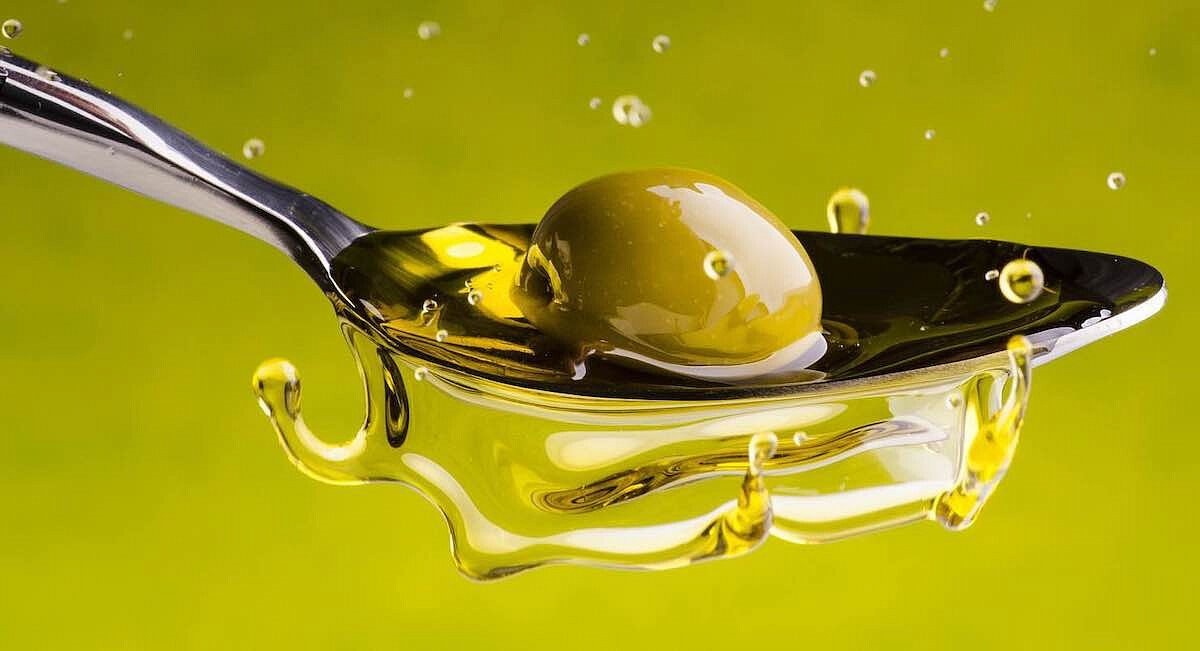
Scientists have found a simple way to slow brain aging — it’s in almost every kitchen. Image source: dzen.ru
A tablespoon of olive oil — and your brain ages more slowly? It sounds like a grandmother’s remedy “for all ailments,” but the evidence is becoming increasingly compelling. Scientists are more frequently linking brain health not only to genetics and education but also to what’s on our plates. And at the center of attention is extra virgin olive oil.
How Gut Microbiota Affects Memory and Brain Aging
A study published in the journal Microbiome (656 participants, 2 years) became the first prospective study in humans that separately analyzed the relationship between olive oil, gut microbiota, and cognitive function.
Older adults who regularly consumed specifically unrefined extra virgin oil showed greater bacterial diversity in the gut and better memory and cognitive performance.
This is important: the gut and brain are connected through the so-called “gut–brain axis.” Changes in the composition of the microbiota affect levels of inflammation, neurotransmitter production, and even the permeability of the blood-brain barrier.
The more stable the microbiota, the lower the chronic inflammation associated with brain aging.
Over 2 years, the study showed: regular consumption of extra virgin olive oil improves/preserves cognitive brain functions. Image source: lady.mail.ru
How Extra Virgin Differs from Refined Oil and Why It Matters
Refined oil is nearly devoid of polyphenols — active compounds that act as antioxidants and anti-inflammatory agents. Extra Virgin retains oleocanthal and other phenolic substances. They:
- reduce oxidative stress in neurons;
- decrease neuroinflammation;
- support the integrity of cell membranes.
It was precisely these components that, according to the study, correlated with more favorable changes in the microbiota.
How Much Olive Oil Is Needed to Support Cognitive Function
The optimal dose cited in most studies is 1–2 tablespoons per day. It’s best to add the oil to ready-made dishes: polyphenols are sensitive to high temperatures.
Choose a dark glass bottle and a pronounced bitter taste — these are signs of a high concentration of active compounds.
Olive oil is a component of the Mediterranean diet — one of the few dietary patterns whose benefits have been confirmed by dozens of major studies. So it’s well worth trying.
It’s important to understand: this is not “protection against dementia,” but rather an element of prevention. But if a simple product can support both the gut and the brain at the same time — it’s hard to ignore that.