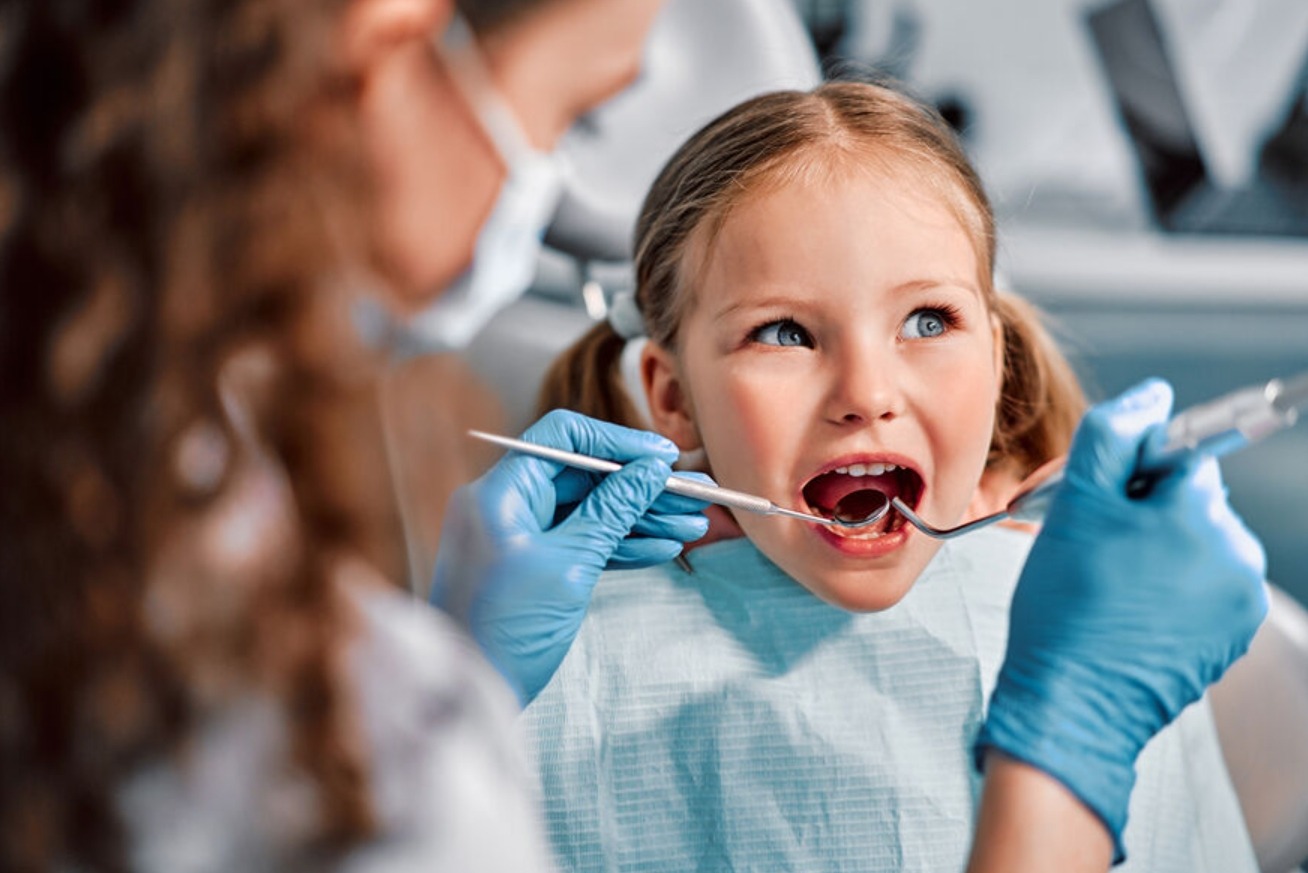
Dental treatment is one of those things you can’t put off forever. But your wallet categorically disagrees. Image source: gazeta.ru
If you’ve been putting off a dentist appointment until later, there’s bad news: “later” is going to cost even more. According to experts, in 2026, dental services in Russia have risen in price by an average of 15–30%, and in premium clinics in major cities, some procedures could add up to 50% by the end of the year. What’s behind these numbers, and should you rush to the dentist right now?
How Much Does Dental Treatment Cost in 2026
Shamil Omarov, co-owner and chief physician of a dental clinic, warned about price increases in a conversation with Gazeta.ru. According to him, the price hikes have affected virtually the entire range of services — from basic cavity treatment to implantation and prosthetics. The most noticeable increases are occurring in mid-range and high-end private clinics.
Simply put, if just a couple of years ago getting an implant in Moscow cost an average of 50,000–70,000 rubles, now the price tag at a good clinic easily exceeds 80,000–100,000 rubles. And that’s without counting the crown, which has also gone up in price. Root canal treatment, veneers, braces — everything has gone up. The fact is that dentistry remains one of the most “material-intensive” branches of medicine: consumables here affect the final bill much more than in many other fields.
Why Dental Prices Have Increased
The main reason is dependence on imports. Despite active efforts at import substitution, clinics cannot completely abandon foreign materials without compromising quality. Ceramic compounds, implant systems, composite filling materials, adhesives — a significant portion of all this still comes from abroad.
But imports aren’t the only factor. Omarov listed a whole set of reasons:
- Rising logistics costs. Delivery of materials has become longer and more expensive;
- Increased rent. Especially in major cities, where dental clinics are often located in high-traffic areas;
- Growing tax burden. Expenses are rising on all fronts;
- Rising specialist salaries. Good dentists are scarce, and competition for talent is pushing wages up.
It turns out that over the past two to three years, clinics have already carried out significant optimization: they’ve reviewed suppliers, introduced domestic alternatives where possible. But the resources for savings are nearly exhausted, and costs continue to rise.
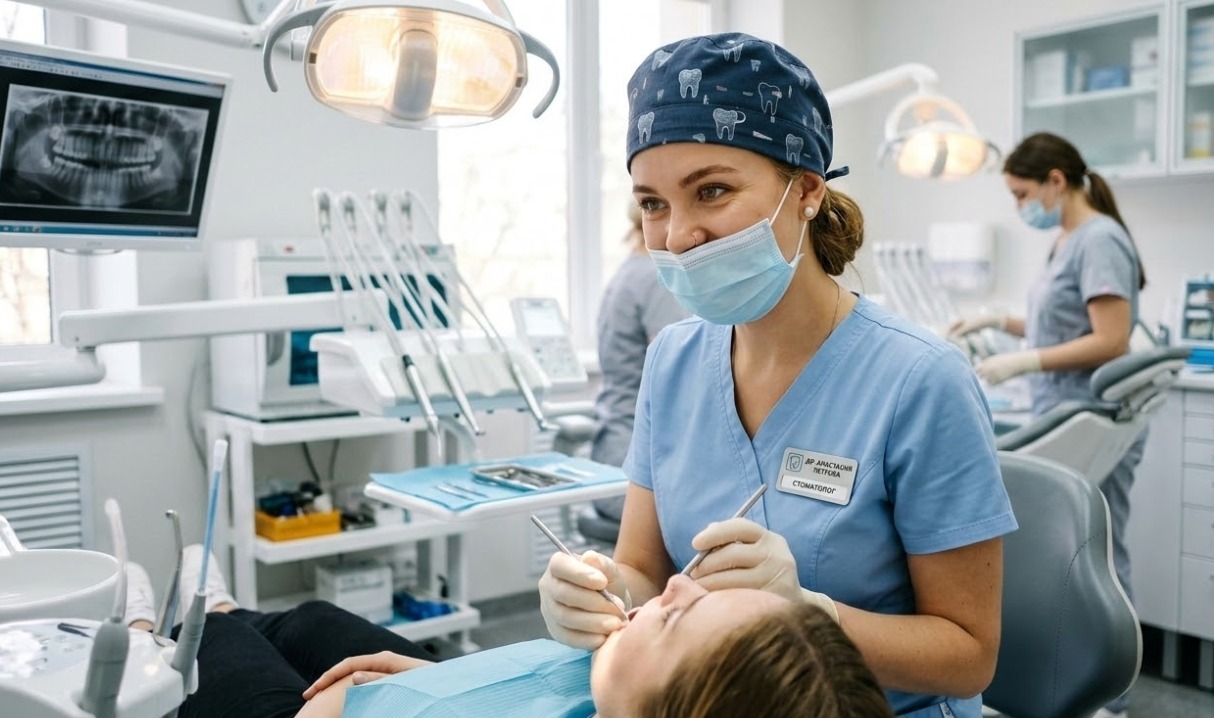
Most consumable materials in dentistry are imported. Replacing everything with domestic alternatives isn’t possible yet
How Much Do Implants, Braces, and Fillings Cost
The logic is simple: the more imported materials involved in a procedure, the more noticeable the price increase. Implantation is the absolute leader in price growth. The implants themselves, abutments, healing caps, and crowns — all of these are most often manufactured abroad. For comparison: a single quality implant from a European manufacturer costs the clinic 15,000–25,000 rubles just for the “hardware,” not counting the work, consumables, and laboratory stages.
In second place is orthodontics. Aligners, bracket systems, archwires, and locks — almost everything is imported. A treatment course that recently cost 150,000–200,000 rubles can now run 200,000–280,000 rubles and above.
Prosthetics, veneers, and cosmetic dentistry are also in the zone of noticeable growth. However, even a regular filling has gotten more expensive — high-quality composite materials are brought in from Japan, Germany, and the USA. In other words, a simple trip to the dentist “just to get a filling” now also hits the budget harder.
How Dental Treatment Prices Will Change in the Future
Omarov warned that the potential for price growth has not yet been exhausted. The cost of materials and clinics’ operating expenses continue to increase, so another rise in dental service prices in the next one to two years is virtually inevitable.
What can you do right now? First, don’t postpone treatment: a cavity that costs 5,000–8,000 rubles today could turn into pulpitis costing 15,000–20,000 rubles in six months, and within a year — into the need for prosthetics at 50,000–80,000 rubles. Dental problem prevention and early treatment is the most reliable way to save money.
Second, it’s worth paying attention to the tax deduction for medical treatment. Since 2024, the expense limit from which you can get a 13% refund has been increased to 150,000 rubles. This means the government will refund up to 19,500 rubles per year — not a huge sum, but enough for one or two fillings.