The Ministry of Digital Development has asked telecom carriers and major internet platforms to take measures against virtual private networks. Charging for VPN usage through international traffic restrictions is the main initiative discussed at closed meetings on March 28, 2026. According to Forbes sources familiar with the discussions, the initiative will take effect as early as spring. And while free AI services in Russia still work without VPN, in the context of what’s happening, accessing foreign websites will become even more difficult.

Now even free VPN will cost you money
Is It Legal to Use VPN in Russia
Formally, using VPN in Russia is not prohibited. A regular user connecting to a foreign server is not breaking the law. However, the situation has long been ambiguous: advertising tools for bypassing blocks is prohibited in Russia, and VPN services themselves that fail to comply with Roskomnadzor’s requirements to connect to the state registry of banned websites are being blocked. Most popular free VPNs in Russia experience interruptions precisely for this reason.
Until now, restrictions have been at the service level. However, the new initiative from the Ministry of Digital Development shifts the fight against VPN in Russia to the level of telecom carriers and major platforms, which represents a fundamentally different scale and type of restrictions.
Carriers Introduce VPN Charges
According to Forbes, on March 28, Head of the Ministry of Digital Development Maksut Shadaev held two closed meetings. The first included representatives of major telecom carriers, and the second featured digital platforms: VK, Ozon, Avito, Wildberries, Yandex, and others. Shadaev asked both sides to take concrete measures against the use of blocking bypass tools by their customers.

In March 2026, carrier MTS was already suspected of charging for VPN
For telecom carriers, the initiative involves restricting VPN traffic by introducing charges beyond a set limit. For platforms, it means technically restricting access for users connecting from a foreign IP. In essence, this is a dual restriction: both from the carrier side and from the service itself. Carriers charge for VPN not directly, but through tariffing international traffic, which is the main indicator of using this type of connection.
VPN Traffic Restrictions
The essence of the initiative for carriers is specific: introduce VPN charges through tariffing international traffic exceeding 15 GB per month on mobile networks. Everything above this limit will be charged separately. At first glance, 15 GB sounds like a lot. However, Comnews Research partner Leonid Konik explains:
The most typical tariff package from mobile carriers includes 5 GB of internet traffic per month. Therefore, 15 GB is a huge limit, more than enough for Telegram and other blocked services — though watching YouTube from morning to evening won’t be possible.
Technically, carriers don’t block VPN entirely but make its use beyond the limit a paid service. Carriers can see that a device uses the same foreign IP address to access the internet, and the traffic itself has characteristic features. However, decrypting the content inside the VPN tunnel is impossible: the carrier doesn’t know which specific websites are being opened or what data is being transmitted.
Why Websites Don’t Open With VPN
The second part of the initiative concerns not carriers but platforms. Major Russian internet services will be required to restrict access for users connecting via a virtual private network. If VPN doesn’t open websites of Russian platforms, that’s a clear sign the initiative has been successfully implemented.
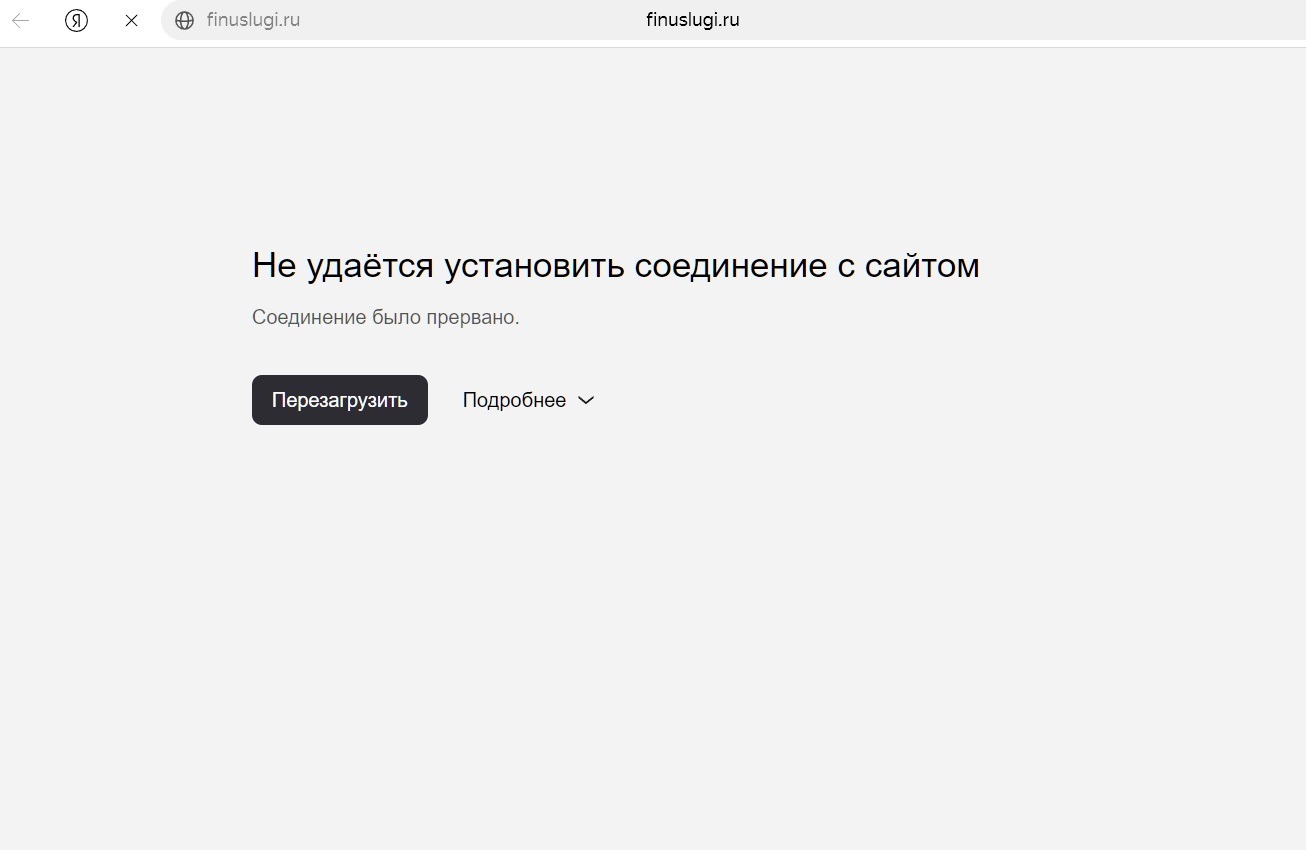
Many Russian websites already don’t open through VPN
Technically, detecting VPN usage with 100% accuracy is impossible, explains Alexey Lukatsky, business consultant on information security at Positive Technologies. Platforms use scoring systems that analyze a combination of parameters: IP address reputation, WebRTC data, browser fingerprinting, and geolocation discrepancies. If a user has a +3 timezone, Russian language, but the connection comes from the Netherlands, the system interprets this as a sign of a virtual private network. Exceptions exist: a person may actually be on a business trip or vacation abroad, and in that case VPN doesn’t work as an explanation. But in mass application, scoring is quite accurate.
The situation where nothing works even with VPN will become standard behavior for major Russian platforms in the very near future. So the question of why VPN stopped working on Android takes on a new meaning in this context.
When Will VPN Charges Be Introduced in Russia
According to Forbes sources in the telecommunications industry, the new international traffic tariffing procedure should take effect by May 1, 2026. These are extremely tight deadlines: less than five weeks from the closed meeting to implementation. VPN restrictions in Russia regarding traffic tariffing must be implemented by carriers independently within their tariff plans.

New expenses are expected as early as May
No specific deadlines for platforms have been mentioned in public sources, but the logic of the meeting suggests synchronization with carrier measures. Keep an eye on your carrier’s tariff updates: that’s where the first official wording of the new VPN restrictions will appear.
Will VPN Be Banned in Russia
This question has been asked for a long time, and after the news about the Ministry of Digital Development meeting, it has become more pressing. According to Forbes, during the meeting Shadaev did not rule out the possibility of introducing administrative liability for using tools to bypass blocks. However, he expressed hope that this could be avoided. In practice, this means the following: a VPN ban in Russia is considered a last resort that will be applied if paid restrictions don’t achieve the desired effect.
Currently, the focus is on economic deterrence rather than a direct VPN ban. The logic is simple: make using a virtual private network inconvenient and expensive rather than criminally punishable. However, the precedent for introducing administrative liability has already been established, as advertising VPN has been banned in Russia since September 1. At the same time, a law banning VPN in its full form would require a separate legislative decision. Until it is adopted, using VPN remains formally legal.