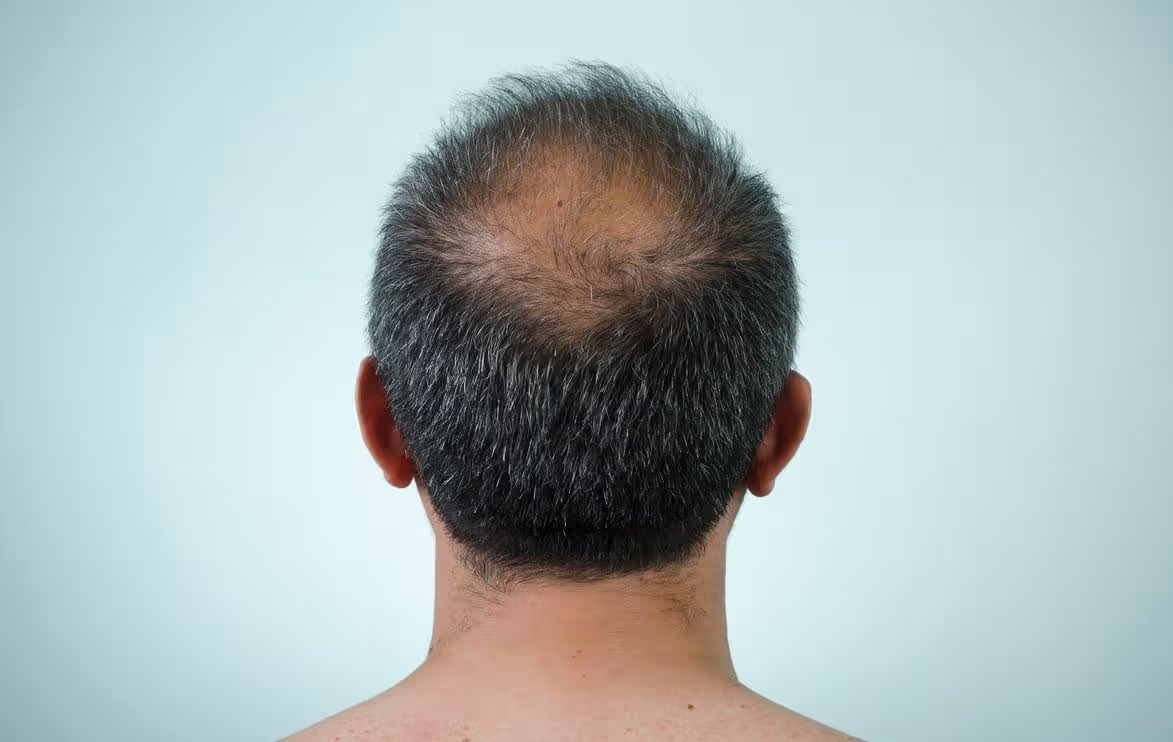
Three types of cells, one Petri dish, and a little patience — this is what the potential future of fighting baldness looks like. Image source: sciencealert.com
Baldness affects hundreds of millions of people worldwide, and every year the market is flooded with new “miracle cures” that usually don’t work. But this time, it’s not about a shampoo or a dietary supplement. For the first time in history, scientists have grown fully functional hair follicles in the laboratory that independently go through natural growth cycles — exactly the same way it happens on your head.
Why Baldness Still Hasn’t Been Cured
It would seem that medicine has come a long way: we edit genes, treat cancer with immunotherapy, and even transplant pig organs into humans. But we still can’t properly deal with simple hair loss. There’s a reason for this, and it’s far more serious than it seems.
The thing is, a hair follicle is not just a “hole” from which hair grows. It’s a full-fledged mini-organ with incredibly complex architecture. Several types of cells interact within it, each performing its own role. Epithelial stem cells form the hair itself. Dermal papilla cells send growth signals. Previously, scientists had already tried to grow follicles from these two cell types in laboratory conditions. They partially succeeded, but the result was incomplete. The follicles didn’t go through the natural cycles of growth, rest, and renewal. Simply put, they looked like hair but didn’t work like hair.
That’s precisely why all existing baldness treatment methods either slow down hair loss (like minoxidil and finasteride) or move already existing follicles from one place to another (like hair transplantation). None of them create new follicles from scratch. Until recently, this was considered virtually impossible.
A New Method for Treating Baldness
An international team of researchers from the USA and Japan found the missing piece of the puzzle. It turns out that growing a fully functional follicle requires not a two-cell but a three-cell “recipe.” In addition to the already known epithelial stem cells and dermal papilla cells, a third type turned out to be critically important — cells that support regeneration and trigger the full hair growth cycle along with tissue attachment.
This third component was the very “missing link.” Without it, follicles in a test tube remained immature and couldn’t function normally. But with it, they began behaving exactly like real follicles on the skin of a living organism. They independently went through the phases of growth, regression, and rest — the very cycle that determines whether your hair grows or falls out.
The results are published in the journal Biochemical and Biophysical Research Communications. The authors emphasize that their work makes a significant contribution to understanding the mechanisms of organ morphogenesis — the process of organ formation — and the potential of stem cells in the adult organism.
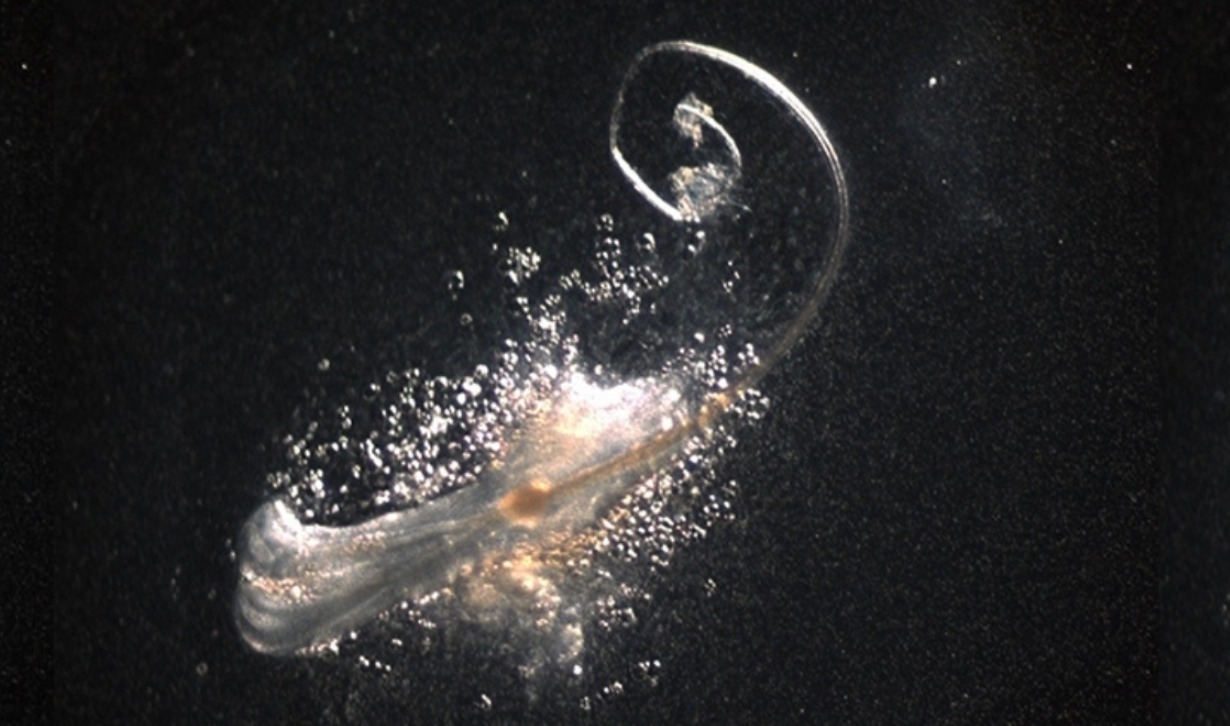
A hair follicle is not just a tube with hair. It’s a mini-organ in which several types of stem cells work simultaneously. Image source: sciencealert.com
Why a Cure for Human Baldness Is Still Far Away
But here’s a nuance that can’t be ignored. The entire study was conducted on mice. And although the results are impressive, human trials haven’t even begun yet. And the difference between mouse and human skin is, to put it mildly, substantial.
Mouse follicles go through the growth cycle significantly faster than human ones. Human hair on the head grows for 2 to 7 years before entering the resting phase. In mice, this cycle takes just a few weeks. Transferring laboratory conditions to a real human scalp will be quite a challenge. It’s not just about growing a follicle — it needs to take root, integrate into tissue, and continue working for years.
Moreover, scaling is a separate problem. The average human head has about 100,000 hair follicles. Even if the growing technology is perfect, creating and implanting tens of thousands of mini-organs for a single patient is a colossal task. For comparison, modern hair transplantation moves 2,000 to 4,000 grafts in one operation, and that already takes an entire day.
However, the study’s authors are optimistic. According to them, determining the exact cellular composition for a functional follicle is a fundamental step. Without it, any clinical attempts would have been shooting in the dark.
Growing Organs in the Laboratory
In fact, the significance of this work extends far beyond fighting bald spots. If scientists have learned to grow one type of mini-organ from a precisely defined set of cells, the same approach can be applied to other organs and tissues. Regenerative medicine has received yet another proof that complex biological structures can be recreated in the laboratory — you just need to know the right “recipe.”
As for hair specifically, alongside this discovery, other promising developments are being pursued around the world: from gene therapy to light therapy, which, according to some studies, can suppress key markers of hair loss. But growing functional follicles from scratch is considered the “Holy Grail” of dermatology.
For more than 800 million people worldwide suffering from androgenetic alopecia, this is not yet a cure. But it’s no longer science fiction — it’s a working experiment with a clear roadmap to clinical trials.