MacBook Neo has barely had time to settle on store shelves, and attention is already focused on its successor. According to preliminary information, MacBook Neo 2 was supposed to be one of the first Apple computers to get a touchscreen. However, things turned out not so rosy. The component market situation is forcing Apple to adapt to reality and change plans not only for MacBook Neo but also for other laptops. Let’s break down what happened and what to expect from the MacBook lineup in the coming years.
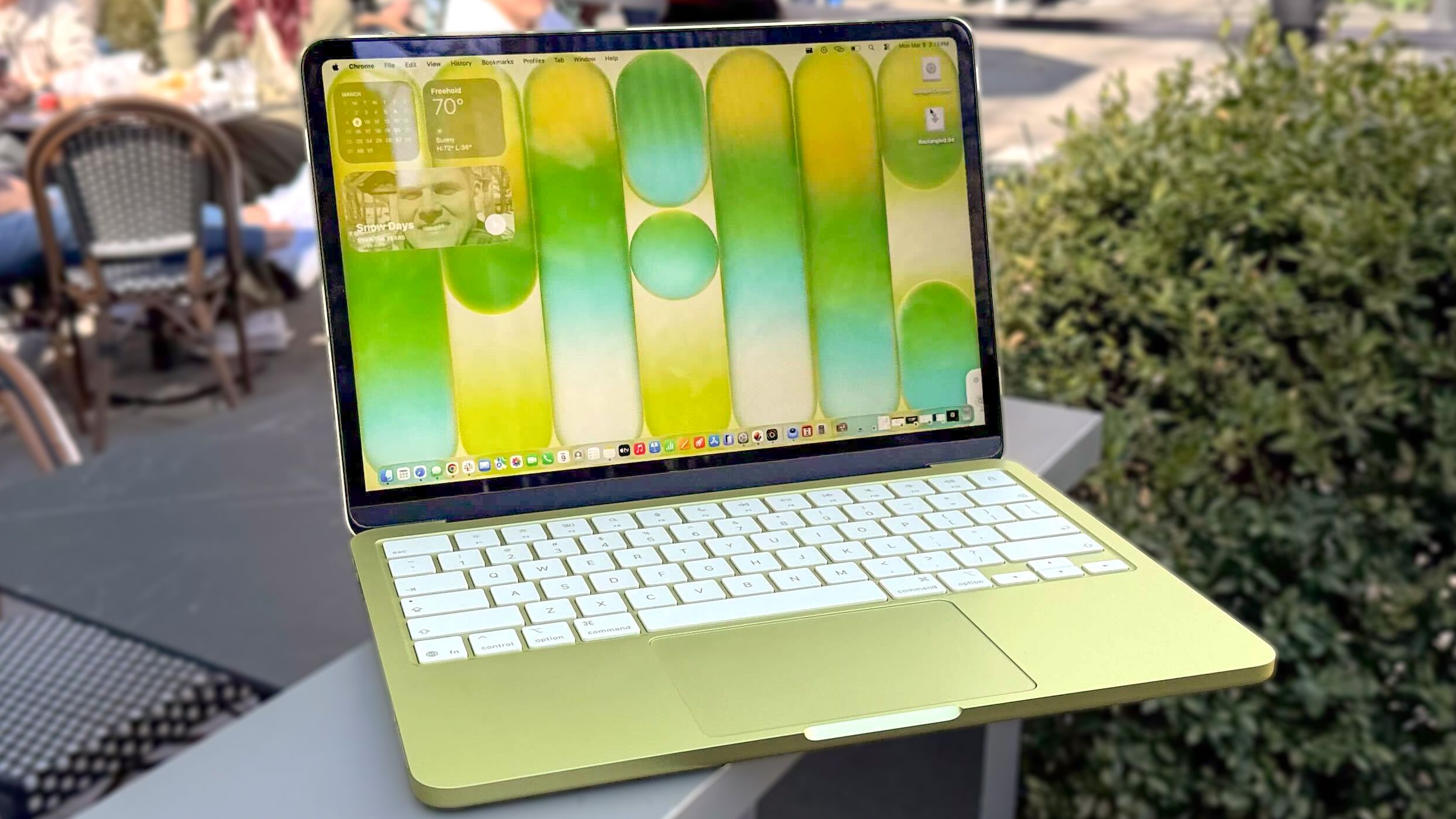
Don’t wait for MacBook Neo 2: a leaked roadmap revealed what Apple removed from the flagship
Will MacBook Neo 2 Have a Touchscreen
According to Kuo’s notes, Neo 2 was originally planned with a touch panel to directly compete with Chromebooks — devices that have long offered touchscreens even in the budget segment. However, the analyst now claims that Apple may abandon this idea.
If you think about it, there’s nothing surprising here. Apple is targeting the affordable laptop market, and a touchscreen display inevitably raises production costs. Moreover, the company still hasn’t added a touchscreen to any of its more expensive MacBooks — neither Pro nor Air. Introducing this technology first in the most affordable model would be, to put it mildly, atypical for Apple.
Simply put, the budget MacBook Neo 2 will remain true to Apple’s traditional philosophy: trackpad and keyboard, no fingerprints on the screen. Touchscreens remain the privilege of competitors for now. Apple is in no hurry to change the rules of the game — at least not in the budget segment. Considering that fast charging hasn’t even been announced for MacBook Neo, there’s nothing surprising here.
When Will MacBook Pro and Air with OLED Screens Be Released
Beyond the fate of Neo 2, Kuo confirmed Bloomberg’s information that Apple will finally transition to OLED panels in its main laptop lineups. But it’s not that simple: the transition will be gradual, and the wait will be long.
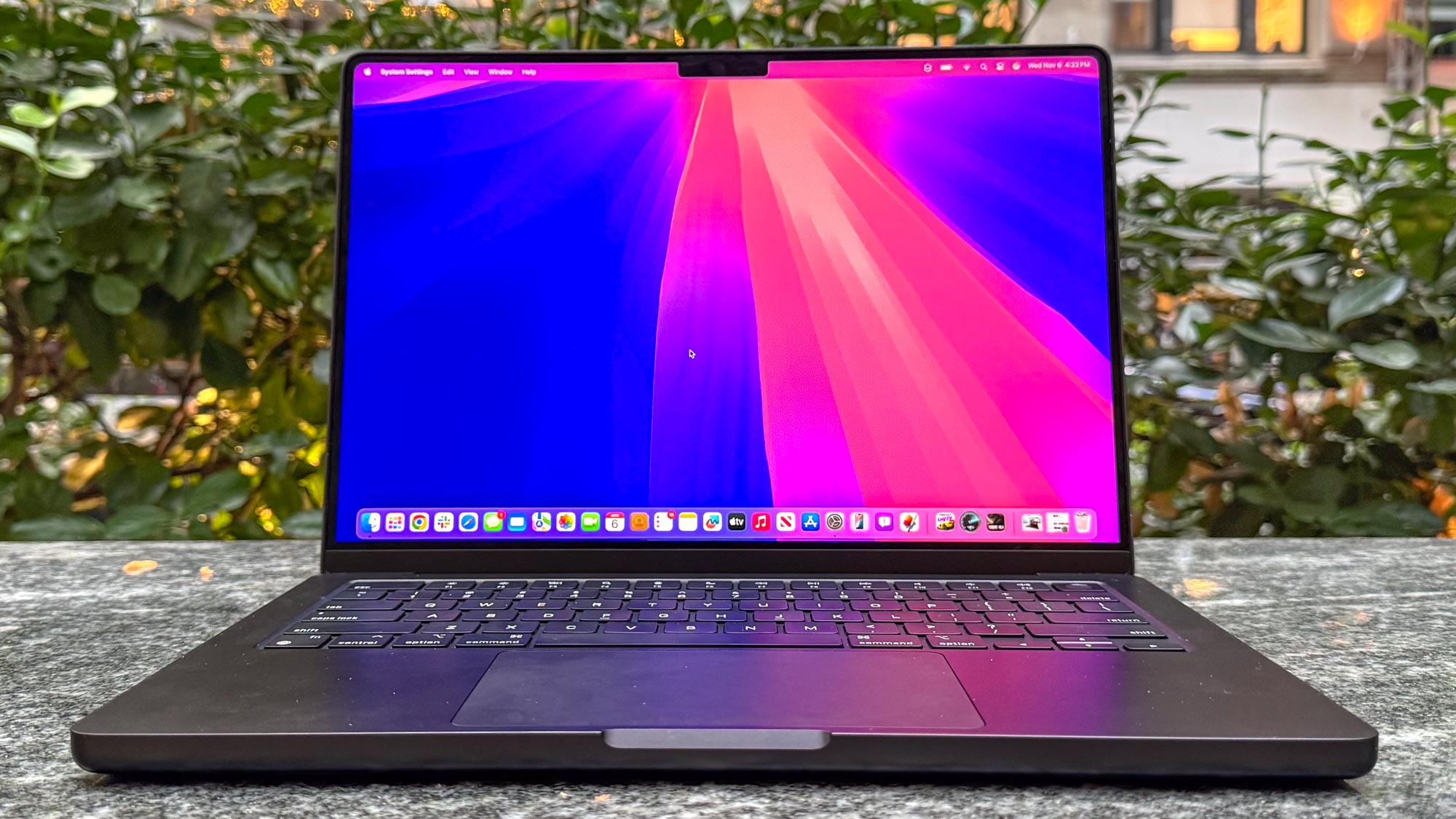
MacBook Pro with OLED is just around the corner. Image: tomsguide.com
The first to get OLED will be MacBook Pro — Kuo expects this to happen later this year, or possibly in early 2027. The MacBook Air, however, will have to wait much longer: the analyst suggests that the OLED version of Air won’t appear until 2028 or even 2029.
For comparison, competitors like Samsung and Dell are already actively using OLED in their laptops. Apple, as usual, prefers to wait until the technology is polished to perfection.
How the Memory Crisis Will Affect MacBook and Apple
But the most interesting part of the leak isn’t about screens — it’s about RAM. Kuo believes that Apple plans to take advantage of the current crisis in the RAM market to capture market share from competitors.
The strategy looks like this: while major PC manufacturers struggle to survive due to memory chip shortages and price increases, Apple intends to “buy up chips, absorb the costs, and capture more market share,” as Kuo writes. Simply put, the company is willing to sacrifice margins for expansion.
MacBook Neo at a price of $599 already looks like a nightmare for Windows laptop manufacturers. And if prices on competing devices rise by hundreds of dollars due to the memory shortage, the budget Mac could simply dominate the affordable laptop segment.
What Will Happen to iPhone Prices in 2026
While other manufacturers count losses from the memory shortage, Apple is getting ready to count new customers
The memory crisis will affect more than just laptops. Kuo believes that Apple will keep prices on new iPhones unchanged, despite rising component costs. The goal is the same — expanding market share, not just surviving during the shortage.
In reality, this is a logical move. If competitors are forced to raise prices on their smartphones, Apple’s stable pricing will automatically make the iPhone more attractive to those who previously chose Android for economic reasons.
In other words, Apple is betting that the crisis will destroy competitors faster than its own profits. Aggressive? Absolutely. But if there’s enough financial cushion — and Apple has no problems with that — the strategy could work.
So, MacBook Neo 2 won’t get a touchscreen, OLED in MacBook Pro will appear at best by 2027, and Air will have to wait until the end of the decade. However, Apple appears to be preparing a large-scale market assault: budget laptops, stable iPhone prices, and aggressive memory chip purchasing. All of this suggests that over the next couple of years, Apple will be playing not for innovation, but for territory capture.