Every year, Apple fans hope that the next iPhone will finally ditch the Dynamic Island “pill” and feature a completely clean screen. Even the latest leaks suggested that the cutout in the iPhone 18 Pro would at least become smaller. But those hopes have been dashed by harsh reality. As it turns out, Apple has once again postponed the implementation of under-display Face ID, which means the signature “island” will be with us for at least another year.

Expected an iPhone with a camera pinhole, but you’re getting Dynamic Island. Yes, again. Image: macrumors.com
Why the iPhone 18 Pro Will Keep Dynamic Island
In recent years, sources close to Apple have regularly reported on the company’s intention to move Face ID sensors under the display. This would finally eliminate the Dynamic Island “pill” and offer users a completely bezel-less screen. The technology was delayed several times due to lack of readiness, but until recently everything pointed to the iPhone 18 Pro and 18 Pro Max becoming the first models without the “island.”
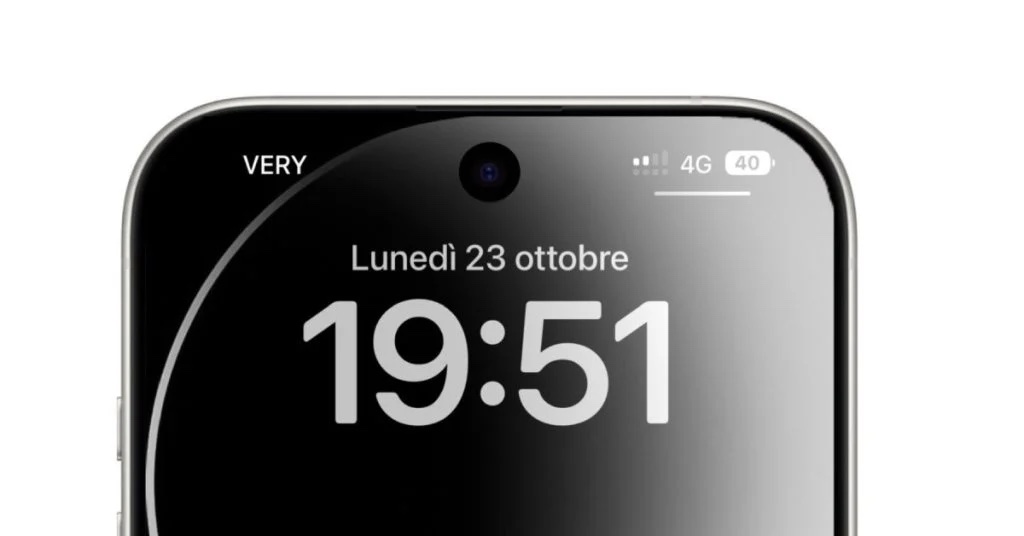
Apple will delay the long-awaited iPhone 18 Pro upgrade by another year — here’s what it means for you. Image: prostomac.com
However, as leaker Digital Chat Station now reports, this innovation will have to wait another year. The reason is that Apple has decided to reuse some molds from the previous iPhone 17 Pro. Simply put, the company won’t be making radical changes to the body and screen construction. As a result, the screen with the “island” and the rear panel design with the “plateau” will remain virtually unchanged. But let’s hope that Dynamic Island in the iPhone 18 Pro and iPhone 18 Pro Max will at least become smaller.
What’s New in the iPhone 18 Pro

The main iPhone 18 Pro upgrades are hidden inside: a new chip, powerful battery, and advanced camera
Since the major visual update didn’t work out, Apple decided to focus on other improvements. And they look quite impressive, it must be said. According to supply chain data, the iPhone 18 Pro will feature a 2nm A20 Pro chip. For reference, moving to a new process node typically means a noticeable performance boost with reduced power consumption.
Additionally, the smartphone will feature a battery with a capacity exceeding 5,000 mAh, which could be a record for the Pro lineup. The third announced innovation is a variable aperture in the camera, which will allow more flexible control over the amount of light hitting the sensor. In other words, Apple has focused on what truly affects everyday experience: speed, battery life, and photo quality.
Why the iPhone 18 Pro Won’t Get a New Design
The decision to reuse molds from the iPhone 17 Pro might seem strange for a company that traditionally changes its design every couple of years. But there’s a nuance. It’s quite possible that the reasons behind this move are largely economic.
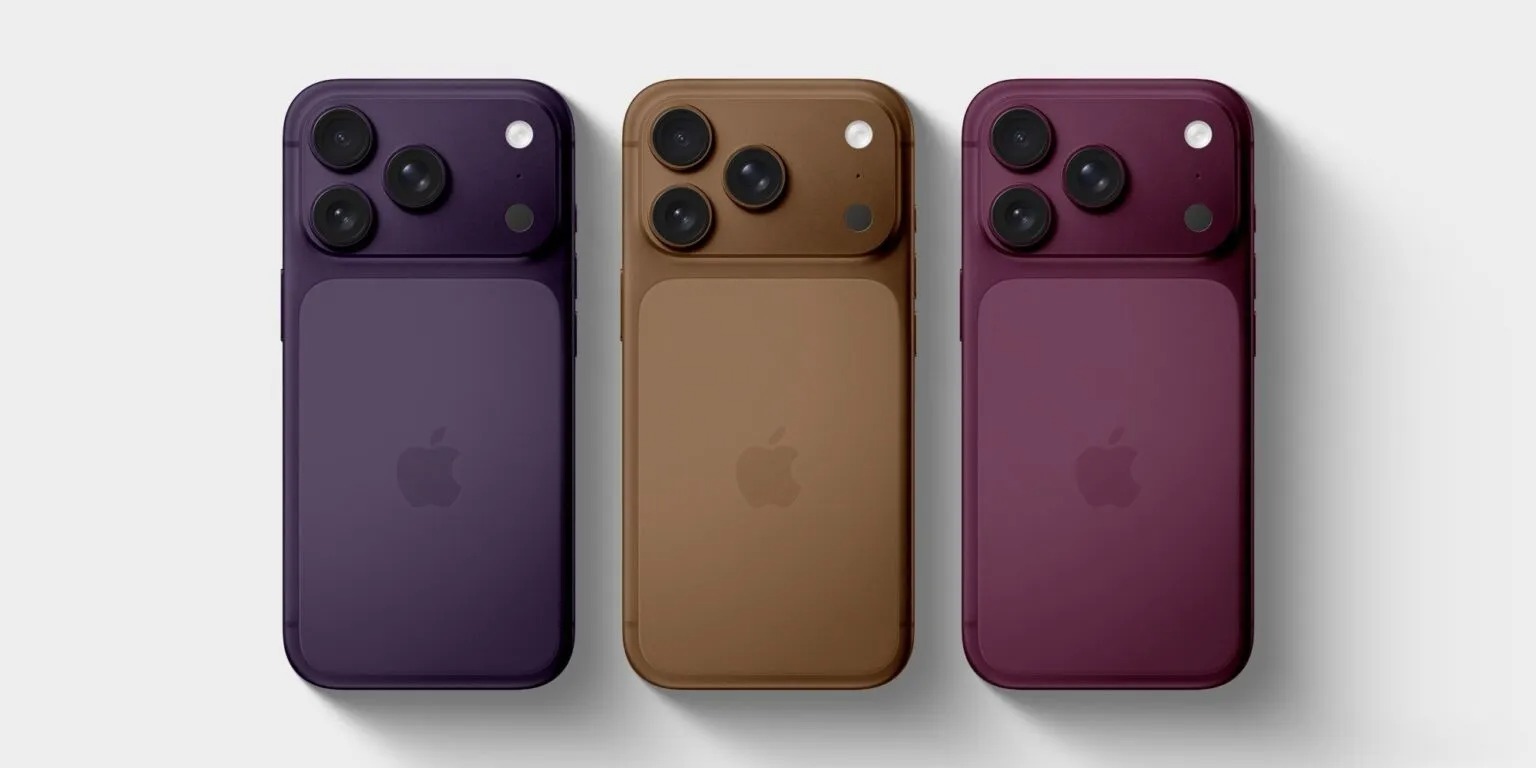
The design will stay the same, but they’ll add new colors. Image: 9to5mac.com
Sources indicate that this strategy may be related to rising prices for memory and components. Notably, a similar trend is observed in the Android world: according to some reports, Android smartphone manufacturers are reverting to 90Hz “teardrop” screens from 2019 levels — also to save costs.
You’d think Apple, with its enormous resources, could afford any experiments. But in reality, the company has always watched its spending, especially when it comes to mass production of tens of millions of devices. Reusing existing molds is not only a savings on development but also reduces the risk of defects in the early stages of mass production.
When Will the iPhone Get Under-Display Face ID
If the leak is to be believed, moving Face ID sensors under the display has been postponed to the next generation, presumably the iPhone 19 Pro. But it’s worth remembering that similar promises have been made before — and more than once.

Someday the iPhone camera will turn into a large dot, but definitely not in 2026. Image: idropnews.com
The technology of placing infrared sensors and a dot projector under an OLED panel is an extremely challenging task. Unlike under-display fingerprint scanners, Face ID requires a whole set of modules that must work through pixels without losing accuracy or security. That’s exactly why implementation keeps getting delayed.
That said, for those who were hoping for a design revolution in this generation, the news is disappointing. Dynamic Island stays — and apparently Apple will continue developing its software capabilities, since getting rid of it on the hardware side isn’t possible just yet.
The iPhone 18 Pro won’t become that dream “iPhone” without a single cutout on the screen, but it will offer quite tangible under-the-hood improvements. A 2nm processor, a battery exceeding 5,000 mAh, and a variable aperture camera — these aren’t just marketing checkboxes but real things you’ll notice every day. As for a completely clean screen — welcome back in a year.