One of the main things that excites me every spring is a new Android beta version that lets you peek into the future of the mobile OS several months ahead. Android 17 beta is already available for installation, and while early access used to be a privilege reserved for Google Pixel owners, the list of supported devices has now grown significantly to include over 30 models from four brands. Let’s figure out which phones will get Android 17 and whether it’s worth installing the beta on your primary smartphone.

Android 17 is now available to a large number of users with various smartphones.
Which Smartphones Support Android 17 Beta
Let’s start with the main thing — the list of Android 17 beta devices. Google has supported a wide lineup of its own smartphones. The beta includes all Pixels from the sixth to the tenth generation, including Pro, XL, foldable Fold models, and even the Pixel Tablet. Here’s the full list:
Google Pixel:
- Pixel 10, Pixel 10 Pro, Pixel 10 Pro XL, Pixel 10 Pro Fold, Pixel 10a
- Pixel 9, Pixel 9 Pro, Pixel 9 Pro XL, Pixel 9 Pro Fold, Pixel 9a
- Pixel 8, Pixel 8 Pro, Pixel 8a
- Pixel 7, Pixel 7 Pro, Pixel 7a
- Pixel 6, Pixel 6 Pro, Pixel 6a
- Pixel Tablet, Pixel Fold
That’s 21 devices in total. If you have a Pixel 6 or newer, you can already apply and try the Android 17 update before the official release.
Which Phones Besides Pixel Will Get Android 17 Beta
And here’s where it gets really interesting. Third-party brands have also joined the beta program, and here’s who’s already in:
Motorola:
- Motorola Edge 70, Edge 70 Fusion, Edge 70 Fusion+
- Motorola Edge 60, Edge 60 Fusion
- Motorola Edge 2025
- Motorola Moto G86, Moto G86 Power
- Motorola Moto G57, Moto G57 Power
OnePlus:
- OnePlus 15
Oppo:
- Oppo Find X9 Pro
Realme:
- Realme GT 8 Pro
For Motorola, this kind of speed is unusual — the company is clearly trying to improve its reputation when it comes to update speed. OnePlus has limited itself to one flagship for now, but that makes sense: the top model gets the beta first, and the rest follow later. The entire BBK Electronics “family” (OnePlus, Oppo, Realme) is represented by at least one model, which is a good sign for future support of more affordable devices.
It’s important to understand that the device list will expand. Manufacturers open their beta programs gradually, and in the coming weeks Samsung, Xiaomi, and other major players will likely join. If your smartphone isn’t on the list, that doesn’t mean it won’t receive the Android 17 update. The beta is traditionally given to flagships, while the stable version comes to a wider range of devices.
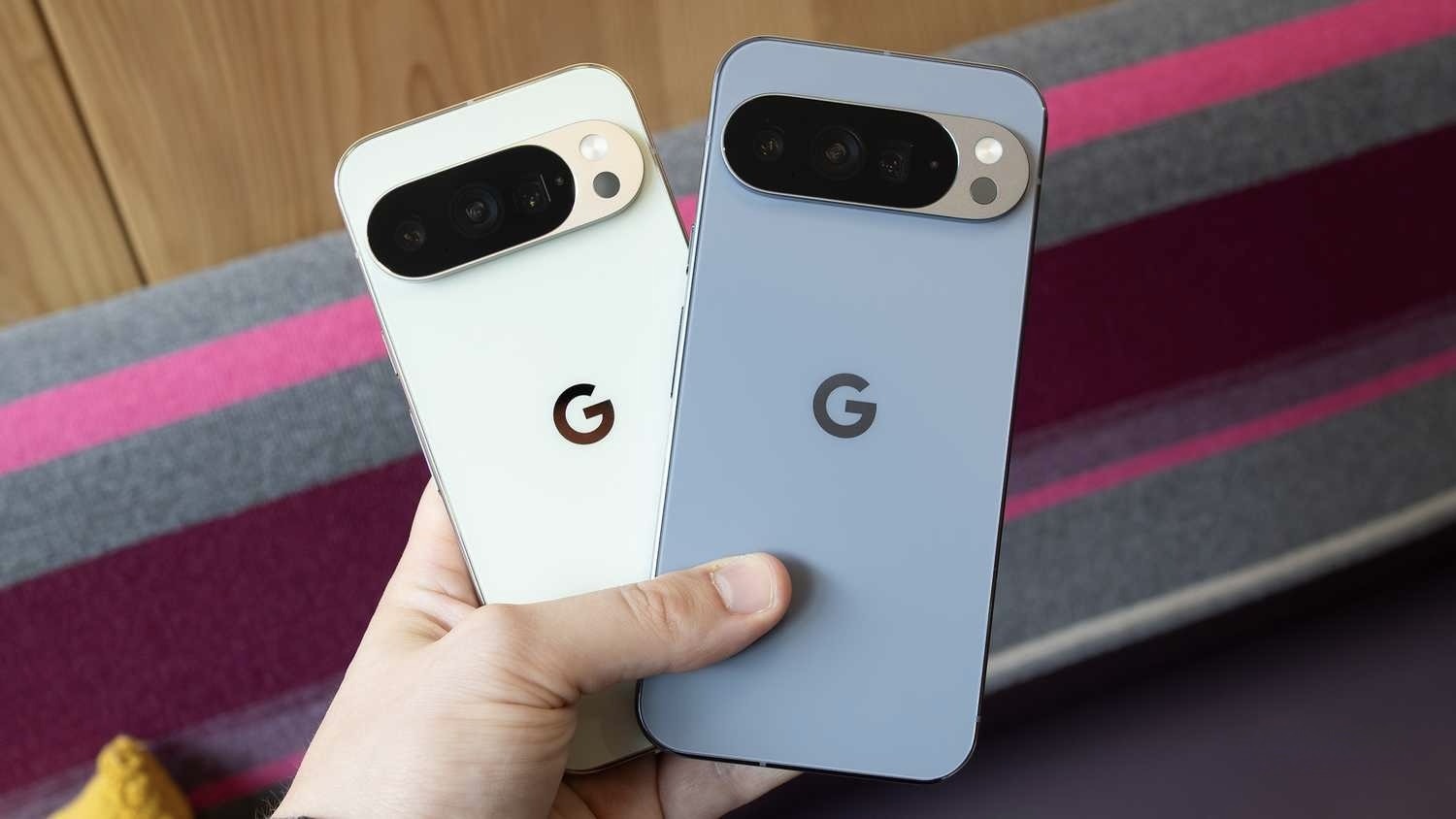
Pixels traditionally get the beta first, but this time there are more smartphones. Image: pocket-lint.com
When Will the Stable Version of Android 17 Be Released
Google has already released two beta versions of Android 17. The first appeared on February 13, 2026, the second on February 26, and the third, apparently, could come out any day now. Google plans to continue releasing beta builds until the system becomes stable enough for a mass release.
According to the official schedule, the stable version of Android 17 for Pixel could arrive as early as June 2026. But if you’re expecting to see the Android 17 update on Samsung or Xiaomi on the same day, you’ll need to be patient. Third-party manufacturers need time to adapt their skins, add proprietary features, and conduct testing. A realistic timeframe is the third quarter of 2026, meaning July–September. To be honest, that’s a normal pace for the industry.

The version for everyone will be released no earlier than June. Image: 9to5google.com
Is It Worth Installing the Android 17 Beta
Here I’ll share a few personal thoughts. The Android 17 beta is a great opportunity to try new system features before everyone else. You’ll get access to the updated interface and improvements that Google is preparing for release. In practice, it can be genuinely exciting.
But there’s an important “but.” A beta is a beta because it contains bugs. Apps may work unstably, the battery may drain faster than usual, and some features may simply not work. Personally, I wouldn’t recommend installing the beta on your only smartphone for everyday use. If you have a spare device from the list that you don’t mind experimenting with — then go ahead and try it. To register for the Android 17 beta program, you just need to apply on Google’s official website.
Android 17 promises to be a notable update, and the wide list of supported devices already at the beta testing stage speaks to Google’s serious intentions. If your smartphone is on the list — the beta is your chance. If stability matters more than curiosity, just wait until summer.