Imagine the situation: you’re calmly drinking coffee, and a notification pops up on your phone about an incoming transfer. Two thousand rubles, five thousand, or maybe even fifty thousand. The sender is some Andrey Ivanovich whom you’ve never seen in your life. First thought — “yay, free money.” Second — “what do I do with this now?” And this is where it gets interesting, because the wrong actions can result in losing your own money or even ending up in court. Let’s figure out what to do if you receive an accidental transfer via SBP (Russia’s Fast Payment System) and what you definitely should not do.
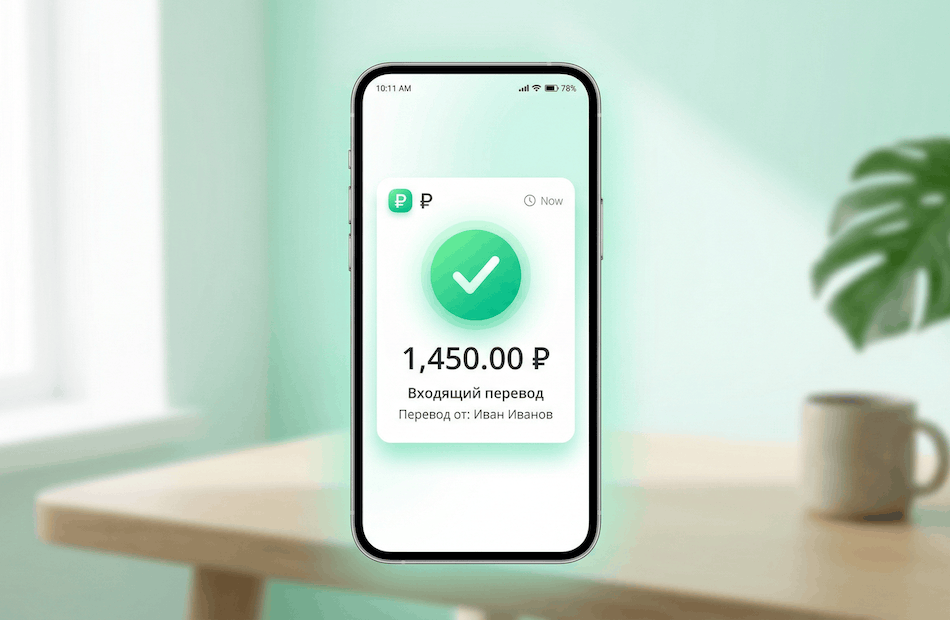
A transfer notification from a stranger — this is usually how it all starts
Can You Keep an Accidental SBP Transfer?
Honestly, the temptation is great. The money landed in your account, nobody comes to claim it, and you seemingly haven’t broken any rules. But from a legal standpoint, things aren’t so rosy. According to Article 1102 of the Civil Code of the Russian Federation, money received without legal grounds is considered unjust enrichment. Simply put, if someone transferred money to you by mistake, you are obligated to return it. And it doesn’t matter whose fault the error was — the sender’s, the bank’s, or anyone else’s.
If the recipient refuses to return the money voluntarily, the sender can go to court. And the judicial practice here is clear-cut: the Supreme Court has repeatedly stated that to recover mistakenly transferred funds, the plaintiff only needs to confirm the fact of the transfer with a bank statement. Meanwhile, proving that the money was received legally falls on the defendant. The statute of limitations for such cases is three years, and in addition to the principal amount, the court may also charge interest for the use of someone else’s funds under Article 395 of the Civil Code of the Russian Federation. So “keep it and forget about it” is not the best strategy.
How to Return an Accidental Transfer via the Sber App
In March 2026, Sber became the first Russian bank to launch an instant refund feature for transfers received via SBP. It works extremely simply: open your transaction history in SberBank Online, find the relevant transfer, and tap the “Return Money” button. The funds go back to the sender to the exact same account they came from.
There are several important conditions. First, the button only appears for the transfer recipient, not the sender. Second, you can use the feature within 10 days of the transfer being credited. Third, the refund only works for transfers made via SBP — internal Sber-to-Sber account transfers are not covered by this feature. However, the sender can be at any other bank — it doesn’t matter. The refund operation itself is free and doesn’t count toward your transfer limit, which is nice. But the commission for the original transfer, if there was one, is not refunded. The bank considers the payment processing service to have been rendered.
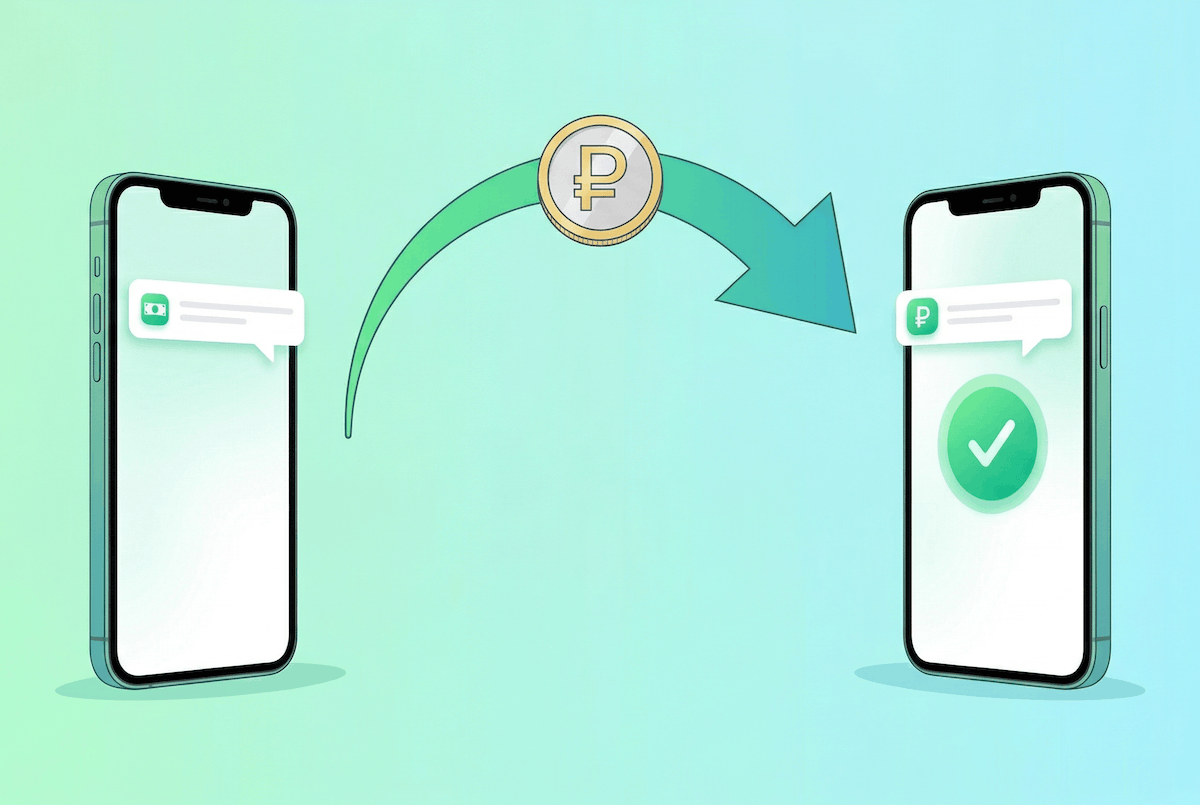
Returning an accidental transfer through the banking app now takes just a couple of taps
The feature is available in the SberBank Online app on Android version 17.3 and above. If you use a different bank, this button may not be available yet, but it’s possible that other banks will catch up soon, or may have already done so — check your app.
What to Do If You Sent Money to the Wrong Person
If you find yourself in the role of the sender and made a mistake with the phone number, you need to act fast. SBP transfers go through instantly, so canceling the transaction in the traditional sense won’t work. But there are options.
First — try to contact the recipient directly. When transferring by phone number via SBP, you can see the name and first letter of the last name. Sometimes you can work things out on a human level, and the recipient returns the money voluntarily. If you can’t establish contact or the recipient won’t cooperate, contact your bank. It’s important to state in your application that the transfer was made by mistake and attach a receipt or screenshot of the transaction. The bank is required to accept your request and initiate a process called “SBP Request.” Your bank will contact the recipient’s bank through the “Dispute+” system, which in turn will notify the client about the error.
In practice, everything depends on the goodwill of the recipient. If the transfer was to an individual, the bank cannot debit money from their account without their consent. Without the account holder’s authorization, this is only possible by court order. If the recipient is stubborn, you’ll have to go to court on the grounds of unjust enrichment. However, if you accidentally transferred money to a legal entity and didn’t receive goods or services in return, you can get the funds back without the recipient’s consent — through a procedure similar to a chargeback in payment systems.
Why You Should Never Forward an “Accidental” Transfer to Someone Else’s Details
This is perhaps the most important thing you need to know. If you receive money from a stranger and then get a call or message asking you to return the funds — not back to the sender, but to some “correct” phone number or card — this is almost certainly a scam.
The scheme works like this: scammers actually transfer money to you (sometimes from stolen cards), and then ask you to return it to different details. If you agree and make the transfer, you lose your own money, because the original transfer is later blocked by the bank as fraudulent. You end up losing twice. There’s also a second variant: if you spend the money that arrived, other (or the same) scammers start calling you posing as “police” or “bank security” with threats and demands to transfer a large sum to a “safe account.” The Ministry of Internal Affairs officially warns about these schemes.
If someone asks you to return money to “different details” — that’s a red flag
The rule here is simple: never transfer money to details dictated to you by a stranger. If someone genuinely made a mistake, they can resolve the issue through their bank. That’s exactly what the SBP dispute mechanism exists for. And if the caller refuses to go to the bank and insists on a “direct return” — you’re dealing with a scammer.
How to Properly Return Someone Else’s SBP Transfer
If you received a transfer from a stranger and want to do the right thing, here’s the course of action. Don’t spend the money and don’t try to return it yourself using details from messages or phone calls. Contact your bank and report the receipt of an accidental transfer. The bank will record your willingness to return the funds and help process the refund through official channels. If you have Sber, you can use the “Return Money” button in the app within 10 days.
If the sender contacts you directly, politely recommend that they arrange the return through their bank officially. Tell them that you have no objection to the procedure and that you don’t intend to spend the money. Save all correspondence and write down the phone numbers of callers — this information may come in handy if the situation turns out to be fraudulent.
Can You Cancel an SBP Transfer Immediately After Sending?
In practice — it’s nearly impossible. Transfers through the Fast Payment System go through in a matter of seconds, and the money is credited to the recipient in real time. Usually, the money reaches the recipient before the animation in the app even finishes.
Some banks can theoretically cancel a transaction if you contact them within a few minutes, but you shouldn’t count on it. You simply won’t be able to reach the bank that quickly. That’s exactly why before every transfer, it makes sense to double-check the phone number, recipient’s name, and amount. It’s better to spend ten seconds on verification than to spend weeks dealing with a refund.

An SBP transfer goes through in seconds, and canceling it afterward is virtually impossible