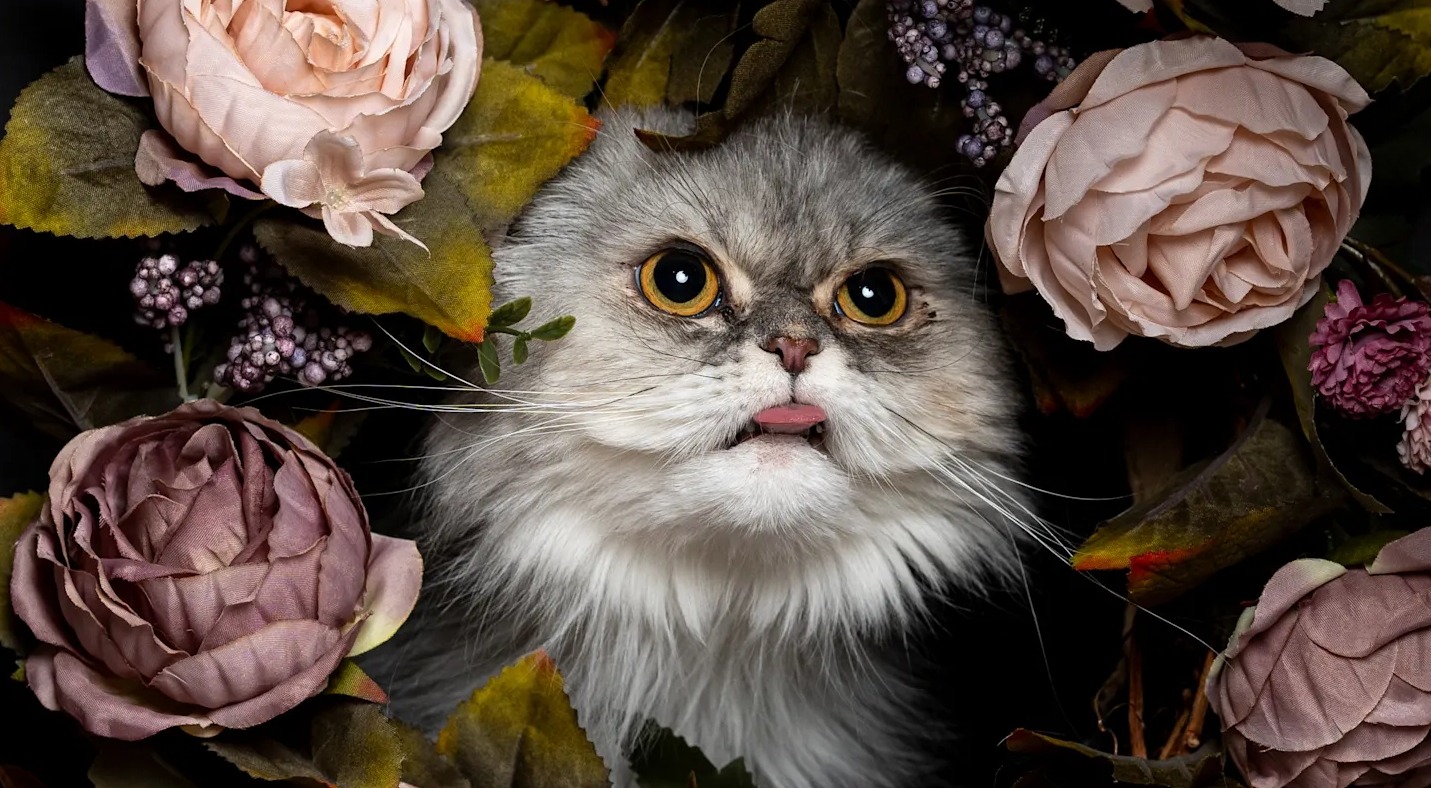
There are explanations for cats’ strange habits. Image source: mentalfloss.com
Your cat races around the apartment at three in the morning, kneads you with its paws, and then knocks a glass off the table for no apparent reason. Sound familiar? From the outside it looks like pure madness, but every such behavior has a perfectly logical explanation. Veterinarians have long decoded the strangest cat habits, and some of them will definitely surprise you.
Why Cats Run Around the House Like Crazy
This phenomenon has an official name — Frenetic Random Activity Periods, or FRAPs. They are more commonly known as “zoomies.” Both cats and dogs experience these bursts, and in the vast majority of cases they are completely normal.
The most common reason is pent-up energy. The cat simply needs to let off steam, just like some people need a run or a dance. But there are other triggers: boredom, hunger, or the hunting instinct that makes them chase imaginary prey. Zoomies often happen at dawn or in the evening because cats are crepuscular animals: their peak activity occurs during twilight, while they prefer to nap during the day.
Fun fact: zoomies often happen right after a trip to the litter box. The stimulation of the vagus nerve after defecation causes a feeling of relief that literally makes the cat run. If during a "frenzy" the cat's tail is raised, ears are pointed forward, and it's playfully meowing — everything is fine, the pet is simply enjoying life. However, flattened ears may signal stress or anxiety.
Why Cats Knead With Their Paws
If your cat rhythmically pushes its paws on your belly or a blanket, it’s “kneading dough” — or, as English speakers say, “making biscuits.” This habit originates in earliest kittenhood: kittens instinctively knead their mother’s belly during feeding to stimulate milk production.
In adult life, this ritual takes on new meanings. In the wild, cats knead grass to prepare a sleeping spot. Additionally, cats have glands between their paw pads that secrete a substance with an individual scent. Thus, by kneading you with its paws, the cat is literally marking you as its territory. It is also believed that kneading triggers dopamine release — the pleasure hormone — which is why they return to this habit again and again.
If the cat is kneading specifically you — most likely it feels safe with you and may even associate you with its mother. However, excessive kneading can be a sign of stress, and this is worth mentioning to your vet. And under no circumstances should you declaw a cat: this causes chronic pain and nerve damage. Simply place a blanket between yourself and your pet — and everyone will be happy.
Why Cats Bring Prey
One of the creepiest cat habits is the appearance of a dead mouse or bird at your doorstep. Many owners sweetly think it’s a “gift.” In reality, there’s not much romance here: cats simply bring prey to where they feel safe so they can eat or store it in peace. Your home is their fortress, not a delivery restaurant.
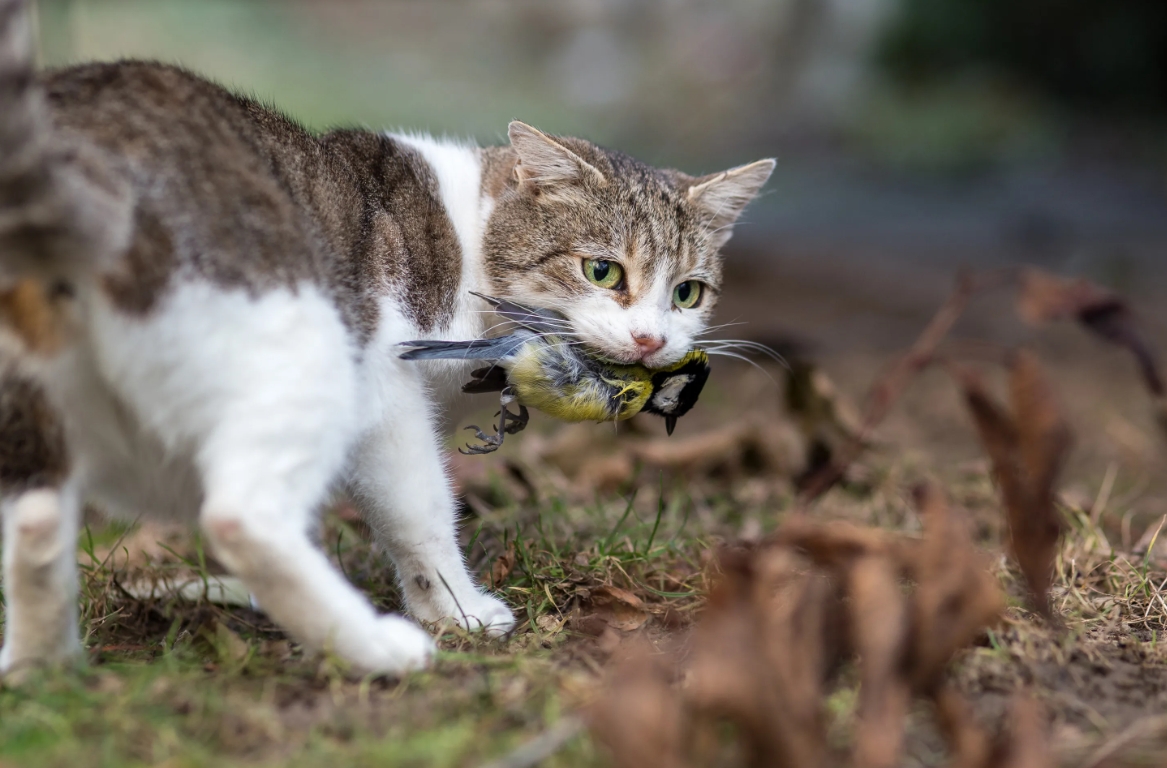
Cats bring prey not for us, but for themselves. Image source: nypost.com
Why Cats Head-Butt
Now, if a cat butts you with its forehead or cheek — that’s a genuine compliment. On the forehead, chin, and cheeks, cats have glands that release pheromones. When a cat presses its head against you, it leaves its scent, signaling to other animals:
This human is mine.
Head-butting helps the cat relieve stress, express attachment, and find comfort. If your pet does this — pet it in return. This will show that the “message” has been received.
Why Cats Knock Things Off Tables
Broken vases, fallen glasses, keys swept off the table — sound familiar? Scientists don’t have a definitive answer for why cats do this, but the most likely explanation is related to the hunting instinct. By pushing an object off, the cat imitates interacting with prey — push it, watch it fall, assess the reaction. Simple curiosity also plays a role. But there’s a clever nuance: if you rush to the cat every time it knocks something over, it quickly learns that this is an excellent way to get your attention. The best strategy is to provide your pet with interactive toys and not react to the “sabotage” immediately.
Why Cats Purr
As for purring, most people perceive it as a sign of bliss. Usually that’s exactly what it is: purring means the cat is content, relaxed, and happy. But not always. Cats can purr when they’re in pain or feeling unwell — it’s a kind of plea for help. So purring is not a guarantee of a good mood, but rather a complex communicative signal.
Why Cats Show Their Belly
If a cat rolls onto its back and shows its belly — it’s not an invitation to scratch it. In most cases, it’s a sign of trust or an invitation to play, but not a request for physical contact. Reach out your hand — and you risk getting a lightning-fast swat from a paw. If the cat’s ears are flattened and hissing comes from its mouth, the animal is actually in a defensive position. Touching the belly in this case is a guaranteed way to earn a scratch.
Why Cats Open Their Mouths
An open mouth in a cat is uncommon, since they normally breathe through their nose. If a cat’s face looks like it just smelled something disgusting, it’s most likely the Flehmen response. The cat passes air through the vomeronasal organ, which allows it to read pheromones and hormones — even determining the health status of another cat and even a human’s emotions.
But if the mouth remains open for more than a minute and the cat is wheezing, drooling, or its gums look pale — this is a reason to immediately contact a veterinarian. This can indicate respiratory diseases and heart problems.
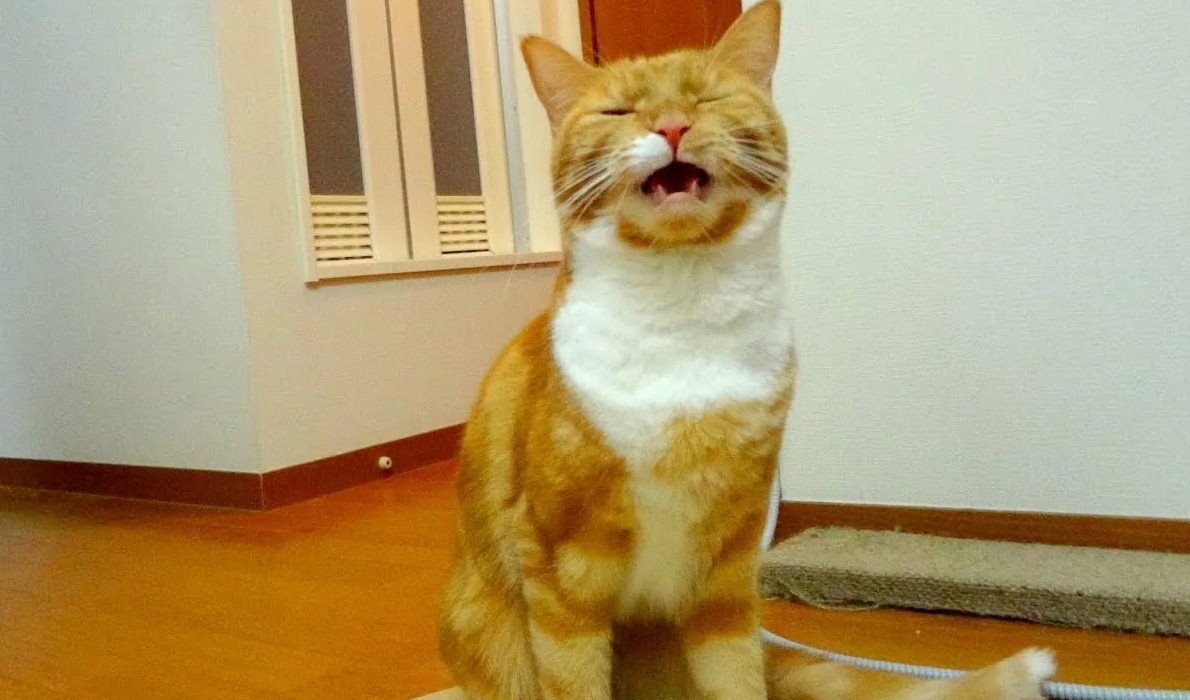
The Flehmen response is a behavior in mammals in which the animal inhales with an open mouth and a characteristic lip movement. Image source: Live Science
Why Cats Slow Blink
And finally, the slow blink. Studies have shown that slow blinking is the cat equivalent of a kiss. This is how a cat expresses love and trust. The best part — you can respond in kind: slowly blink back, and the cat will most likely understand your message. The key is to do this when your pet is already relaxed.
A direct stare into the eyes of a tense cat can be perceived as a threat. As for winking, it means roughly the same thing as slow blinking. Although, if your cat winks too often, it might simply have an eye infection.