Recently Apple turned 50, and on such an occasion it’s easy to recall the main hits: Macintosh, iPod, iPhone. But the company’s history was defined not only by flagships, but by products that appeared at the right moment and steered Apple in a completely new direction. We’ve gathered seven such inventions — from saving the company from bankruptcy to the transition to its own processors. Let’s explore why each of them matters not only for history, but also for understanding how Apple works today.
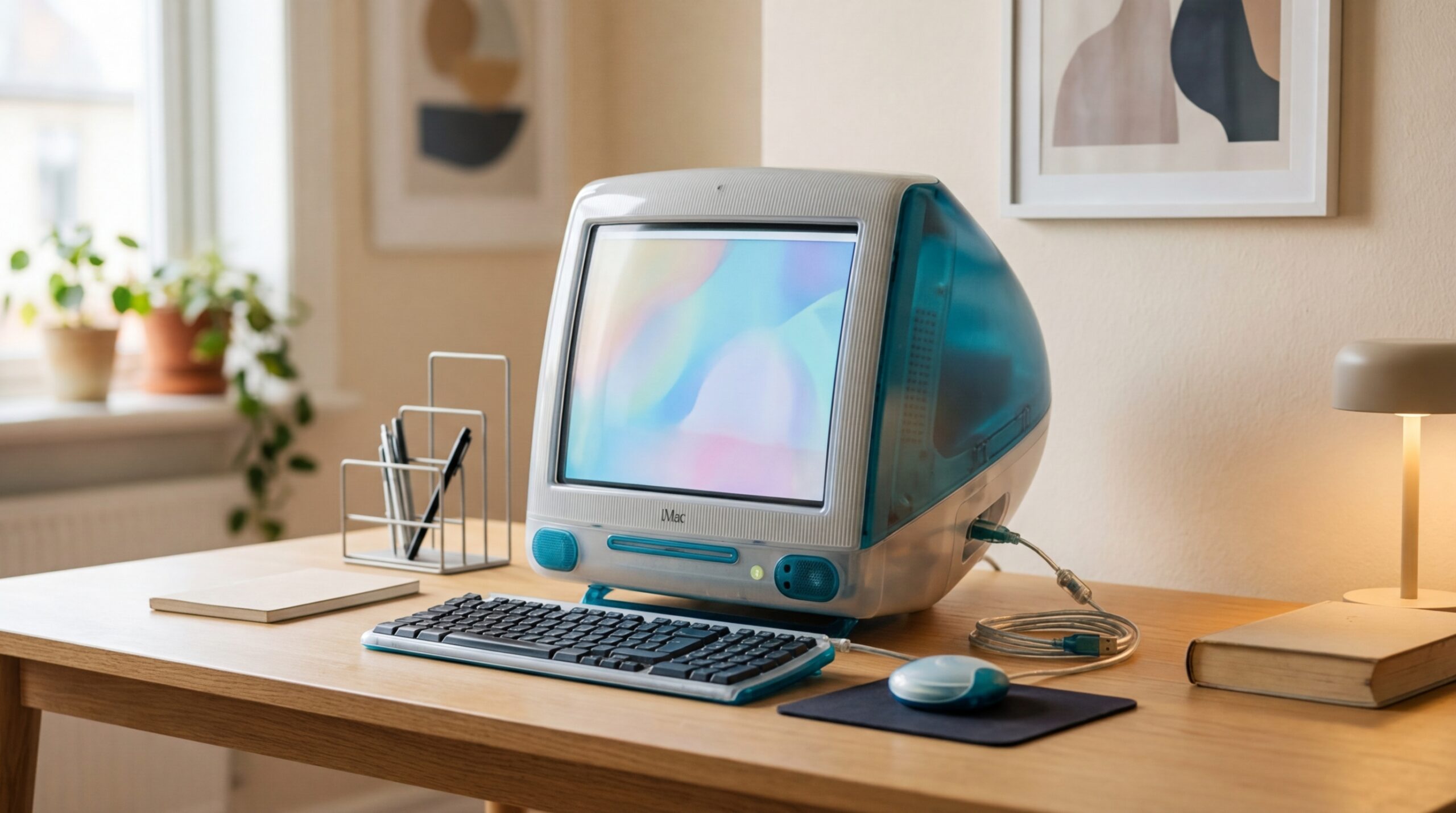
7 Apple inventions that reinvented Apple
iMac G3: How Apple Saved Itself from Bankruptcy and Changed the Computer Market
By 1997, Apple was in a deep crisis. A bloated product lineup, no strategy, a string of unsuccessful CEOs after Steve Jobs’ departure in 1985. The company was on the brink of bankruptcy.
When Jobs returned as CEO, he completely rethought the approach. And he realized: they needed one killer product that would restore buyer confidence. That product was the iMac G3, introduced in 1998.

Would you dive into that atmosphere?
The iMac wasn’t just a new computer. It was a different concept: an all-in-one made of translucent colored plastic, without a floppy drive or outdated ports. Instead — USB, CD-ROM, and Ethernet. The idea was simple: a computer for the future, ready for the internet, so simple that anyone would want to and be able to use it. Essentially, the iMac established the philosophy that Apple follows to this day: a combination of design, simplicity, and technological boldness.
iPod: How Apple Went Beyond Computers and Changed the Music Market
Before the iPod, Apple was exclusively a computer company. The player, introduced in 2001, became the first step into an entirely new category for the company — consumer electronics.
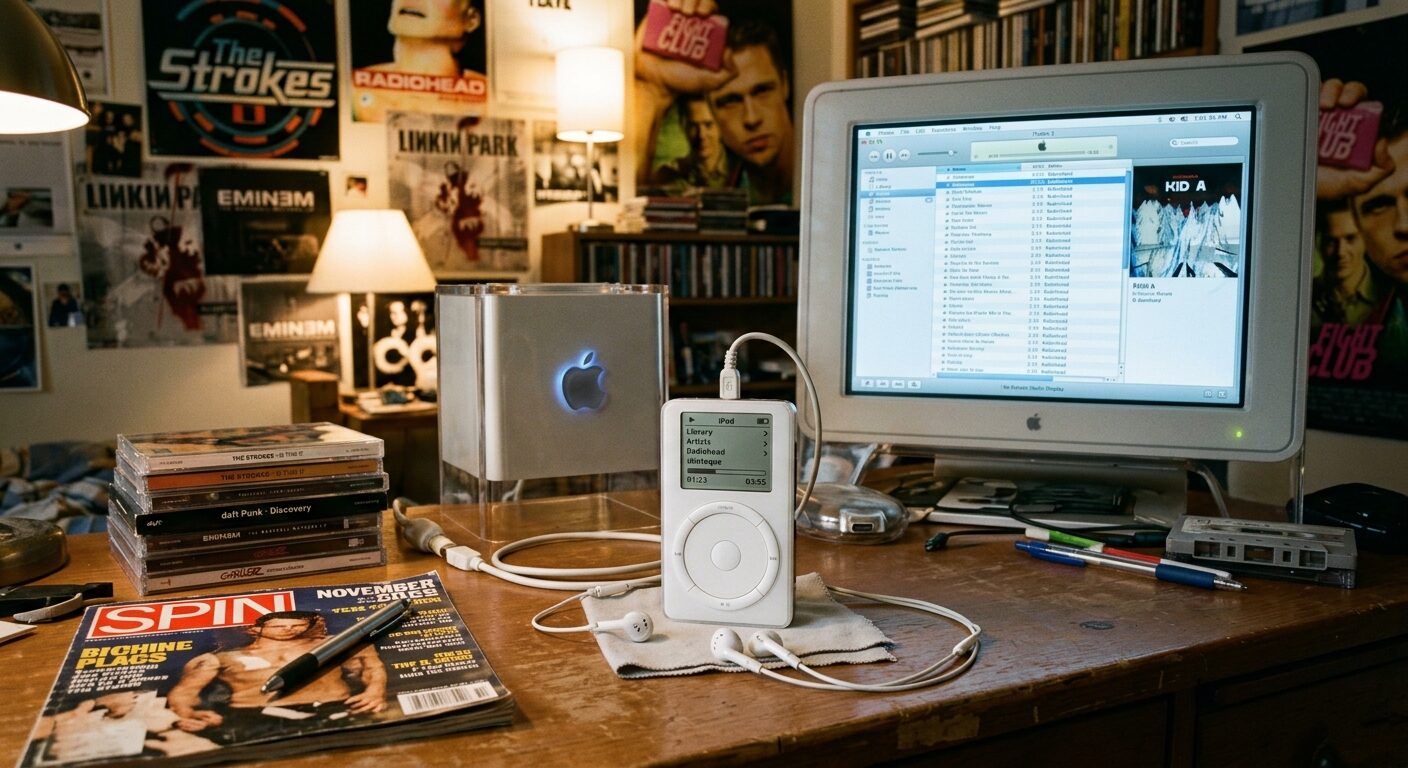
A legend that may be reborn in 2026
The main significance of the iPod wasn’t that it was the best player on the market, but that it created the model on which Apple builds its business to this day: a tight connection between the device and the software ecosystem. The iPod worked in tandem with iTunes, and that’s exactly what gave it an advantage over dozens of competitors. The device alone, the software alone — nothing special. Together — a product that changed the music industry.
iTunes Store: How Apple Changed the Music Market and Launched Its Services Business
iTunes Store, launched in 2003, at first glance was simply a music store. But for Apple, it became something much greater: proof that the company was capable of building a services business.
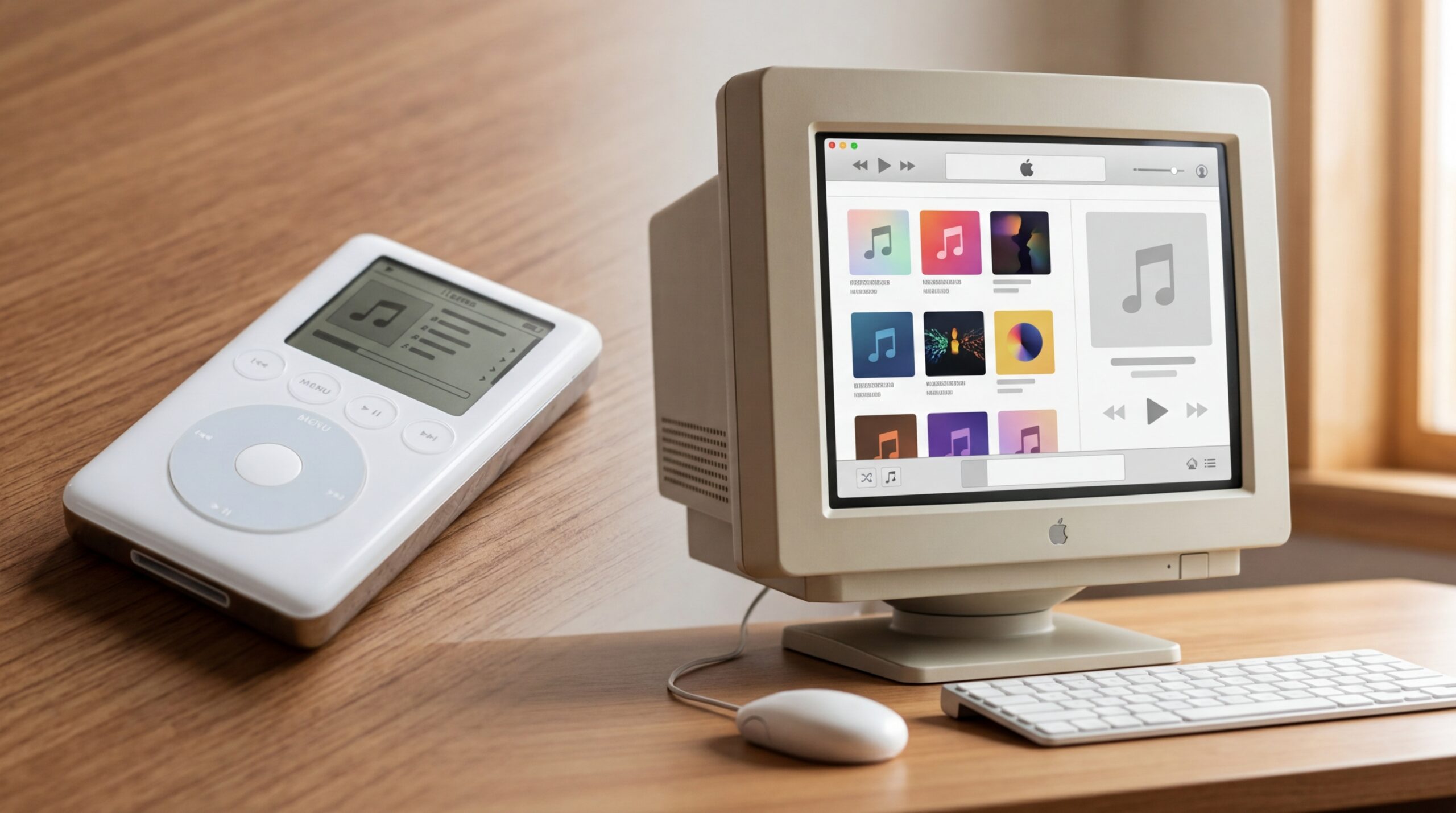
iTunes Store became Apple’s first services business
Before iTunes Store, the music industry was fighting piracy and couldn’t find a working model for digital sales. Apple offered a simple solution: one track for 99 cents, no subscription, no complicated terms. It worked — and laid the foundation for the App Store, Apple Music, Apple TV+, and the entire services ecosystem that today brings the company tens of billions of dollars a year.
MacBook Air: How Apple Set the Standard for Thin and Light Laptops
When Steve Jobs pulled the first MacBook Air out of a paper envelope in 2008, it wasn’t just a presentation. It was a manifesto: a laptop can be thin, light, and still be a full-fledged work tool.

A computer that fits in a document folder
The MacBook Air set the standard that all laptop manufacturers then followed — from Dell to Lenovo. The “ultrabook” category essentially emerged as a response to the Air. For Apple itself, this product showed that you could sacrifice familiar things (disc drive, multiple ports) for the sake of form and mobility — and buyers would accept it.
Apple Watch: How Apple Entered the Health and Smartwatch Market
Apple Watch, released in 2015, was initially received with mixed feelings. Critics called it an expensive toy without a clear purpose. But over time, the watch found its niche — and it turned out to be enormous.
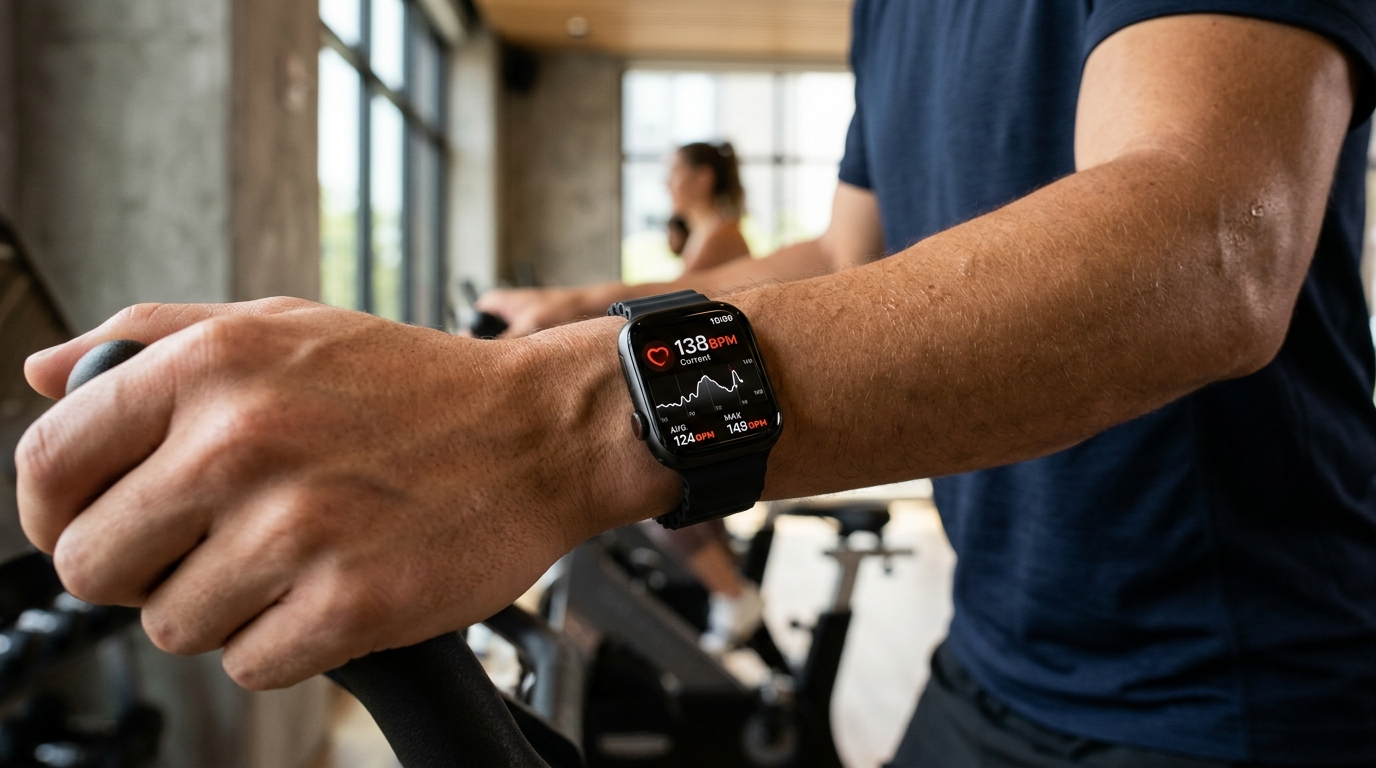
Apple Watch found its main purpose — health monitoring
The key turning point came when Apple shifted focus from fashion and notifications to health and fitness. Heart rate monitoring, ECG, fall detection, sleep tracking — all of this transformed the Apple Watch from an accessory into a medical device on your wrist. For Apple, this meant entering a completely new industry — health and personal medicine, which will only continue to grow.
AirPods: How Apple’s Wireless Earbuds Became the Most Popular in the World
When Apple removed the headphone jack from the iPhone 7 in 2016 and unveiled AirPods, the internet exploded with memes. “Sticks in your ears,” “you’ll lose them within a week,” “they look ridiculous.” A few years later, AirPods became one of the best-selling accessories in the world.
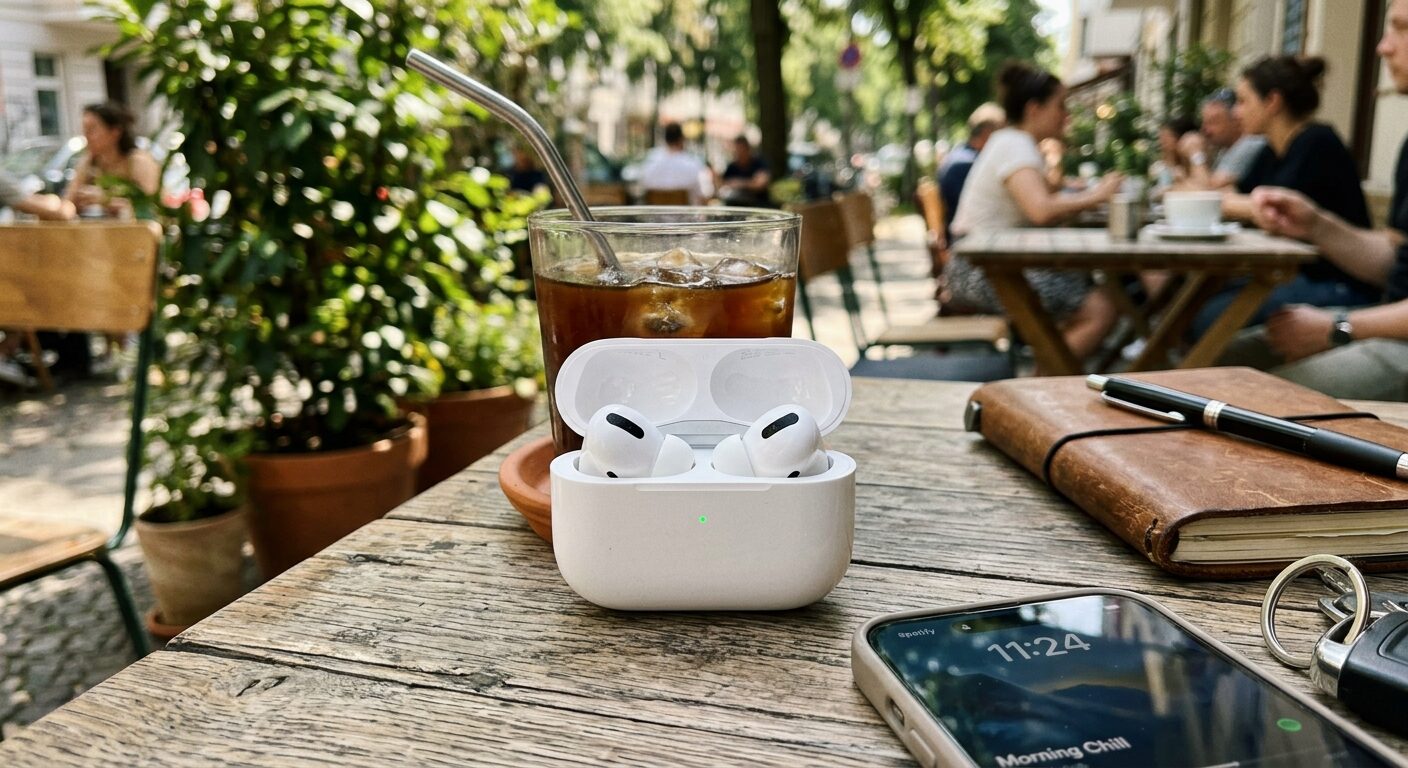
Nobody believed in the first AirPods, and now everyone buys the Pros
For Apple, AirPods are important not just as a revenue source. They became yet another entry point into the ecosystem: the earbuds easily switch between iPhone, iPad, Mac, and Apple devices.