
The coronavirus pandemic claimed 7 million lives
Remember the times when words like “COVID,” “lockdown,” and “self-isolation” were everywhere? Six years ago, in March 2020, the WHO officially declared the start of the coronavirus pandemic. But the story actually began a bit earlier, in December 2019 in Wuhan, China, where a mysterious outbreak of pneumonia was first recorded. Back then, we had no idea that COVID-19 would go down in history as one of the deadliest pandemics. According to data from early 2025, more than 777 million people worldwide were infected, and sadly, we lost more than 7 million of them. Today, those terrifying times seem like something distant. Let’s remember how it all happened.
When the Coronavirus Appeared
In December 2019, something happened in Wuhan, China, that few people initially took seriously. Someone caught an unknown virus at a local market, and doctors recorded an outbreak of pneumonia of unknown origin. It turned out to be a new coronavirus, SARS-CoV-2, which had never reached humans before. China typically downplayed the first weeks, but the virus had already packed its bags and set off to meet the world.
On January 30, 2020, the WHO finally said it out loud: this is an international public health emergency. And on March 11, the dreaded word “pandemic” was uttered. In Russia, people were still joking about the “virus on TV,” but on March 1, 2020, the jokes ended — the first coronavirus case in Russia was officially recorded. Then things snowballed.
By summer 2020, the coronavirus had spread across the entire globe. The number of countries with confirmed cases exceeded 180. Millions infected, hundreds of thousands dead by mid-year — at the time, it felt like the apocalypse. Now, looking back, you realize: that was only the beginning.
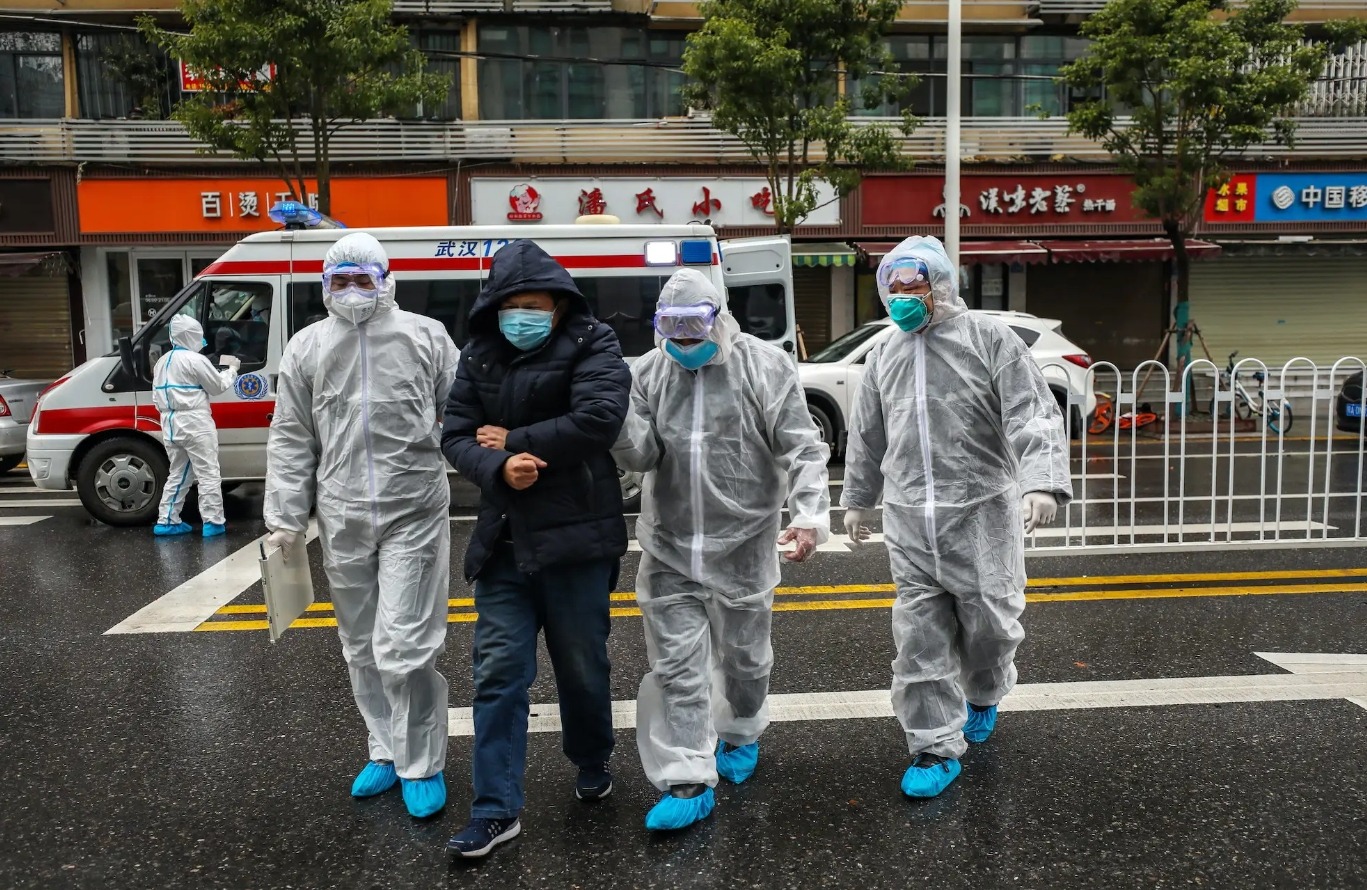
China during the coronavirus in 2020. Image source: businessinsider.com
Self-Isolation During the Coronavirus Pandemic
In spring 2020, every third person on the planet was stuck at home trying not to lose their mind. Governments around the world imposed strict restrictions: some locked down cities with military checkpoints, others declared curfews. Europe sealed its borders, international flights were grounded, and anyone returning from abroad was sent into 14-day isolation. Entering many countries became a quest involving certificates and tests.
How Coronavirus Vaccines Were Developed
By the end of 2020, hope appeared — vaccines. Pfizer, Moderna, AstraZeneca, Russia’s Sputnik V — scientists worldwide did the impossible, creating vaccines within a year, even though it typically takes decades. Mass coronavirus vaccination began in 2021. Yes, debates raged endlessly: to vaccinate or not, which one is better, what about side effects. But the fact remains: vaccines genuinely reduced mortality and the severity of the disease. The more people got vaccinated, the weaker the restrictions became.
How COVID Passports Appeared
By 2021, the world was tired of being locked up, but the virus hadn’t gone anywhere. That’s when they came up with a brilliant idea: want to go to a café, a concert, or another country — show your certificate. Digital COVID passports were launched in Europe, confirming that you were either vaccinated, had recovered, or had just tested negative. This is how humanity gained the illusion of freedom of movement under the watchful eye of QR codes.
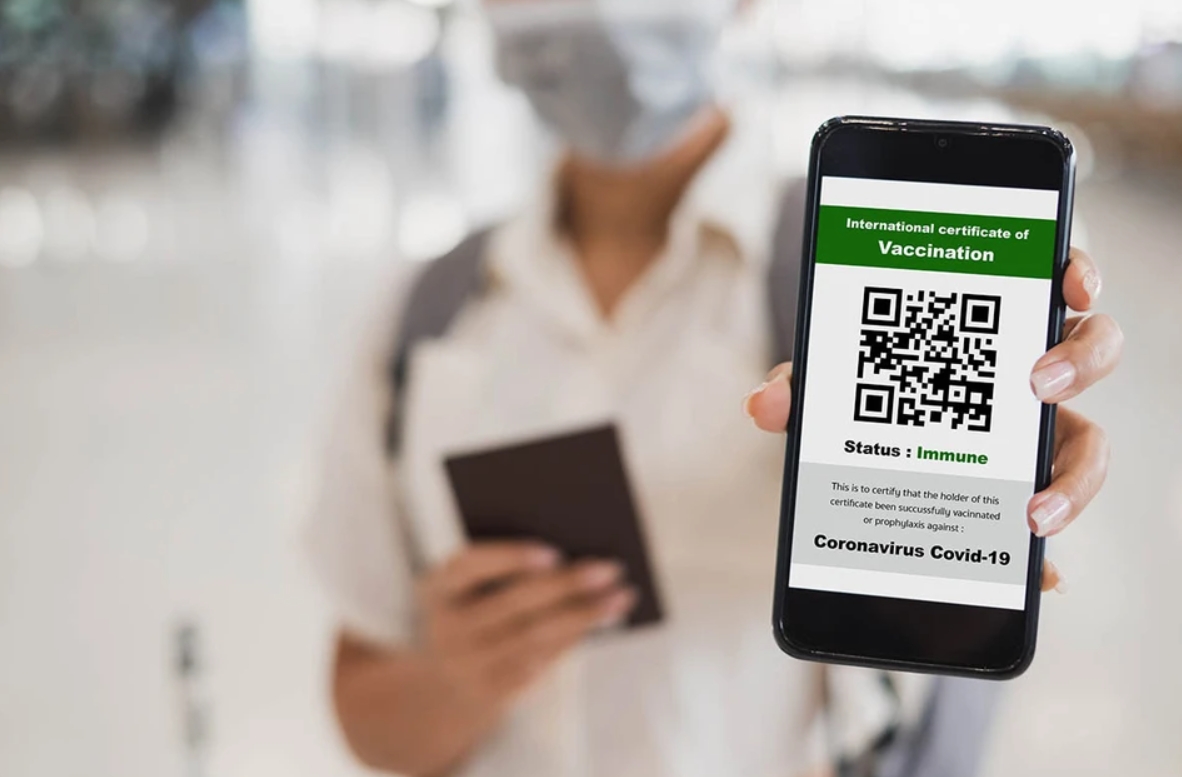
A COVID passport in Europe looked roughly like this. Image source: dailysceptic.org
QR Codes During the Pandemic in Russia
In Russia, things were roughly the same, but with a national flavor. Borders slammed shut for foreigners back in March 2020, and even Russian citizens had their travel restricted. Then came the QR code saga. In 2021, you couldn’t get into a café, museum, or any mass event without that precious little square. And you could only get a QR code after being vaccinated with Sputnik V. In Moscow, QR codes were only lifted on March 3, 2022 — by that point, the world was already living a different life.
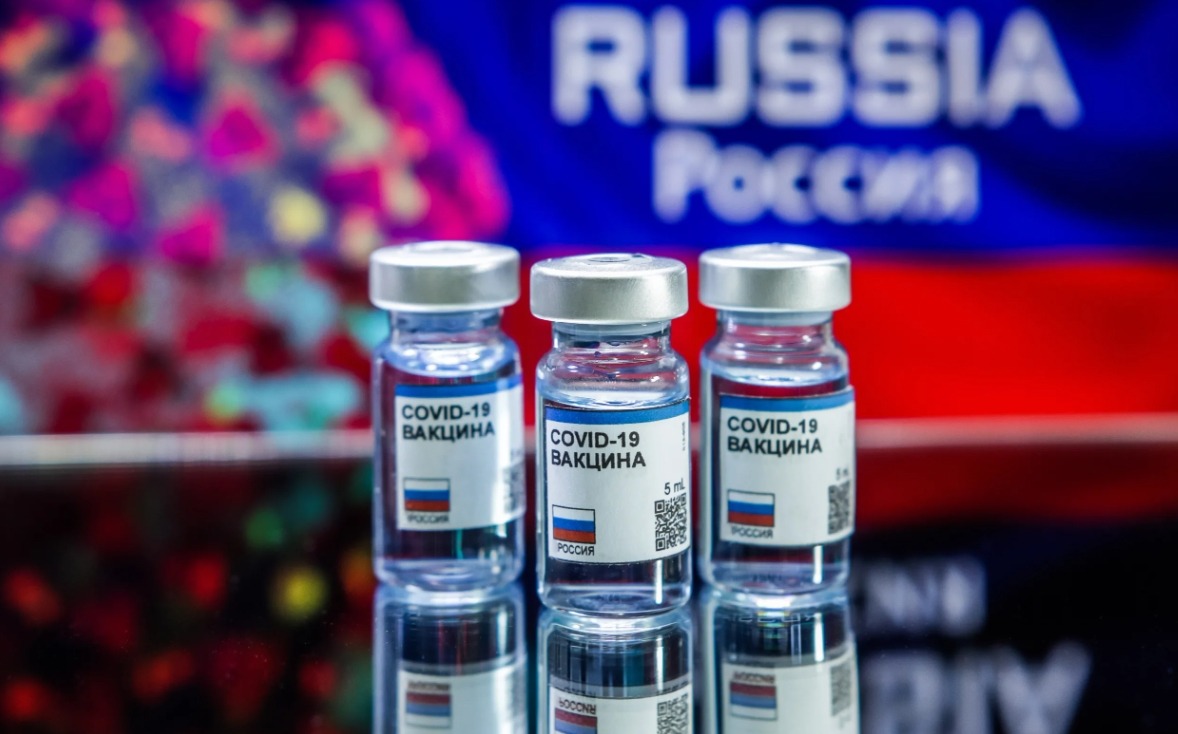
The coronavirus vaccine had to be administered twice. Image source: globallookpress.com
How the Coronavirus Affected Business
While we sat in our apartments trying to keep ourselves busy, businesses were dying. Restaurants, hotels, travel agencies, retail stores — everything that relied on real people ground to a halt. GDP in many countries plummeted in ways not seen for decades. Unemployment crept upward, small businesses were shutting down in droves, and major companies were declaring bankruptcy.
Governments tried to put out the fire with money: tax deferrals, credit holidays, social payments. But entrepreneurs didn’t feel much relief — rent still had to be paid, and there was no money. The lockdown devastated businesses, but it was the best way to fight the COVID-19 pandemic.
How the Coronavirus Pandemic Ended
By mid-2022, even the most cautious countries realized: we can’t live like this anymore. European countries one by one lifted internal restrictions and dropped certificate requirements. People were tired of being afraid and wearing masks (remember how we sewed them ourselves?). By August 2022, most EU countries and the world were already living without COVID passes.
The final chapter came on May 5, 2023. The WHO officially declared: COVID-19 is no longer a public health emergency of international concern. The coronavirus pandemic was over. The virus remained, but it simply became one of the illnesses we learned to live with.
The coronavirus pandemic lasted 1,150 days.
If you put this whole roller coaster into one picture, here’s the coronavirus timeline:
- December 2019 — Wuhan, a seafood market, the first people infected with an unknown disease;
- January–March 2020 — the WHO sounds the alarm, declares a pandemic, the world closes borders and goes into lockdown;
- 2020 — mass lockdowns, remote work, economic collapse, empty streets, and panic;
- 2021 — vaccination, QR codes, attempts to return to normal life through digital passes;
- 2022–2023 — fatigue defeats fear, restrictions are lifted, the WHO closes the chapter on the public health emergency.