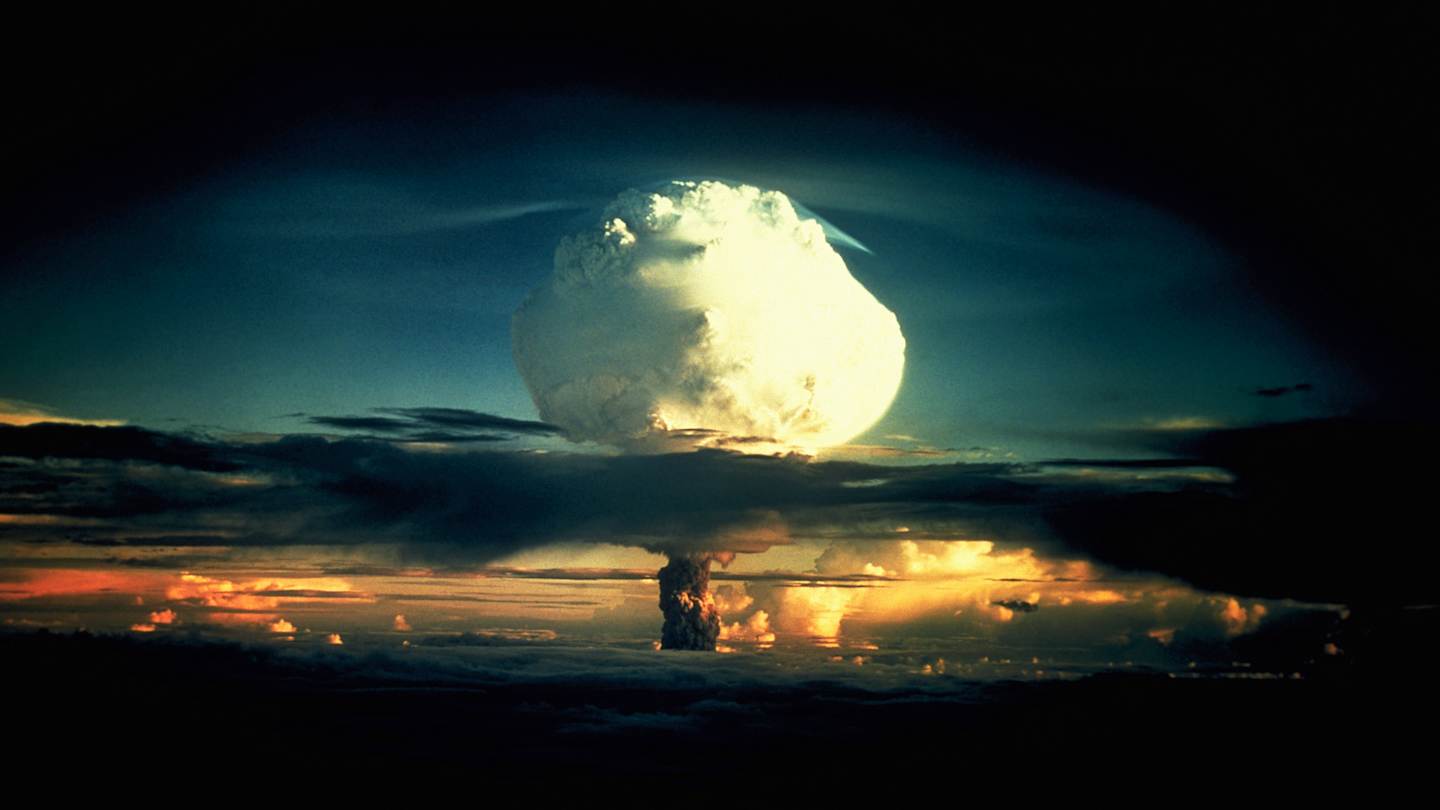
Humanity has already survived several probable ends of the world. Image source: mentalfloss.com
The apocalypse is not just the stuff of movies and ancient prophecies. In the history of the 20th and 21st centuries, there were at least five episodes when the world found itself one step away from catastrophe. And each time, salvation depended on chance, someone’s composure, or plain luck. None of these cases were the invention of screenwriters. Everything happened for real, with real nuclear arsenals, real epidemics, and the real Sun.
The 1918 Spanish Flu Pandemic
World War I was coming to an end, but the real blow to humanity was dealt not by an artillery shell, but by a virus. In 1918, the H1N1 strain of the influenza A virus spread across the planet at unprecedented speed. By estimates, more than 500 million people were infected — roughly a third of the world’s population at the time. It was the most devastating pandemic in the history of humanity.
At least 50 million people died, and some researchers believe the actual death toll may have reached 100 million. For comparison: World War I claimed about 20 million lives. In other words, the virus killed several times more people than four years of trench warfare.
The Spanish flu did not destroy civilization, but it showed how vulnerable humanity is to biological threats, even without any biological weapons. The medicine of that era had little to counter the virus: antibiotics did not yet exist, nor did flu vaccines.
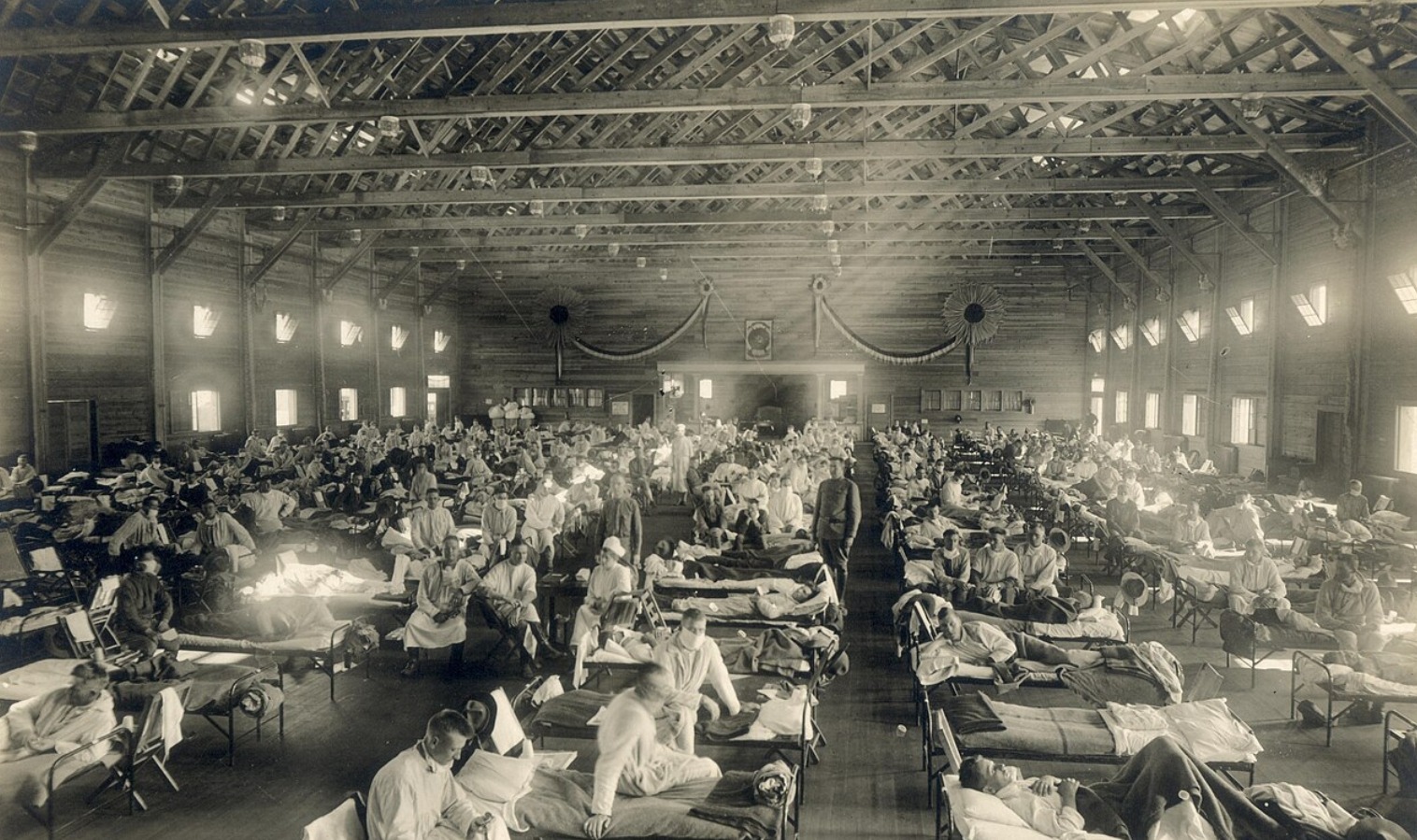
Emergency hospital during the Spanish flu epidemic. Image source: wikipedia.org
The Cuban Missile Crisis of 1962
The Cold War between the United States and the Soviet Union lasted from 1947 to 1991, and throughout that time both sides possessed nuclear arsenals capable of destroying the planet many times over. But the closest the world came to catastrophe was in October 1962.
The USSR began deploying ballistic missiles in Cuba — an island 150 kilometers from the coast of Florida. American reconnaissance planes photographed the launch sites, and President John F. Kennedy declared a naval blockade of the island. An exchange of tense messages between Kennedy and Nikita Khrushchev began. At one point, a nuclear strike seemed inevitable.
In the end, Khrushchev agreed to halt missile shipments in exchange for a U.S. promise not to invade Cuba and to remove its missiles from Turkey. A compromise was found, but for several days the entire world teetered on the edge of the abyss. This is the only case in history when two nuclear superpowers openly stood on the threshold of a direct nuclear confrontation.
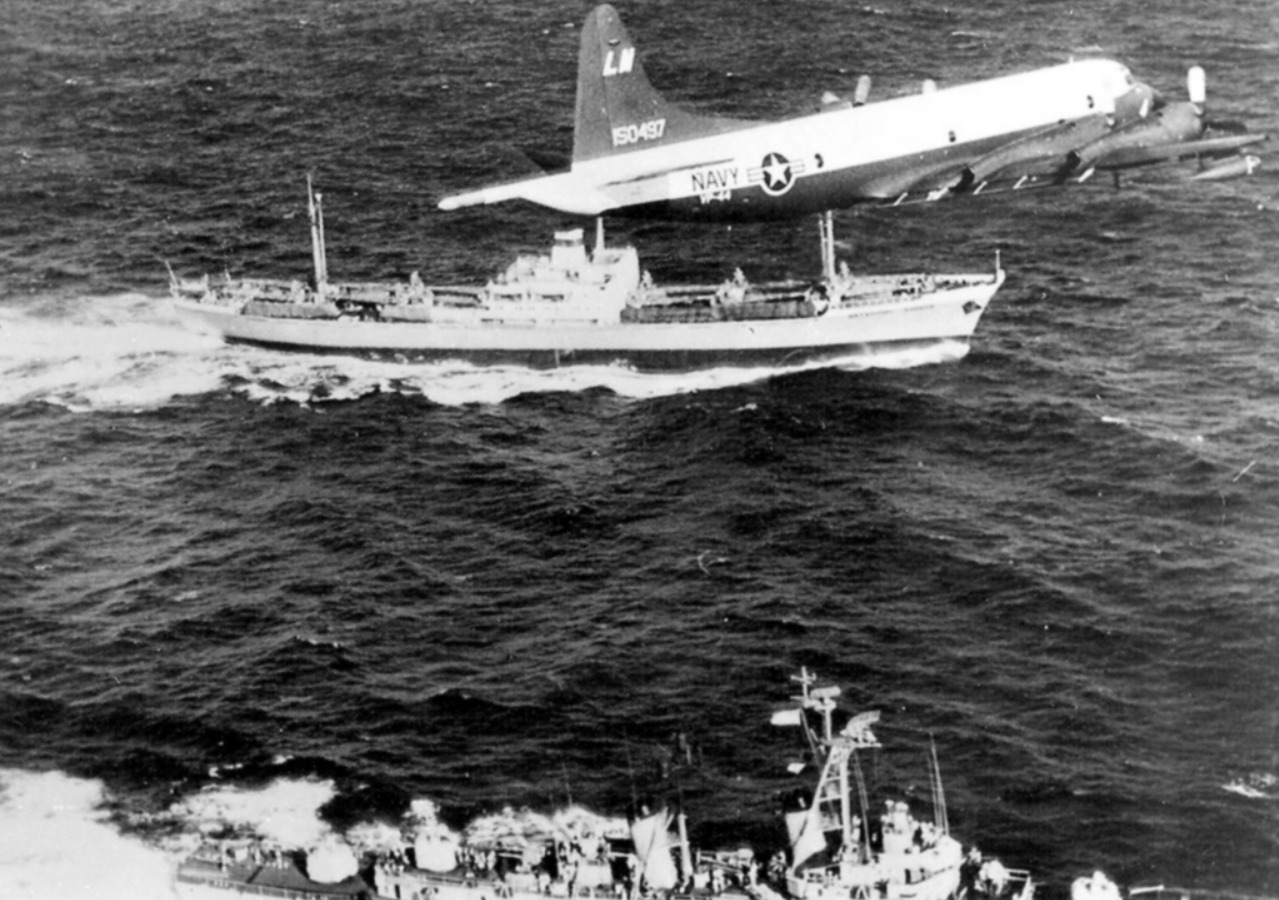
The Soviet merchant vessel “Metallurg Anosov” heading for Cuba. Image source: wikimedia.org
The Risk of World War III in 1979
On June 3, 1980, U.S. National Security Advisor Zbigniew Brzezinski was awakened in the middle of the night by a phone call. He was informed that 250 Soviet missiles were heading toward America. A few minutes later, a second call came: the number of missiles was 2,200. Brzezinski began preparing a retaliatory strike plan.
But he hesitated — and that hesitation saved the world. Soon a third call came: other surveillance systems had not detected any missiles.
It turned out that the cause of the panic was a training tape. A recording of a war game simulation had been accidentally loaded into the main systems of the North American Aerospace Defense Command (NORAD), and the computers mistook the training scenario for a real attack. A technical glitch — and the world nearly got a nuclear war because someone mixed up the tapes.
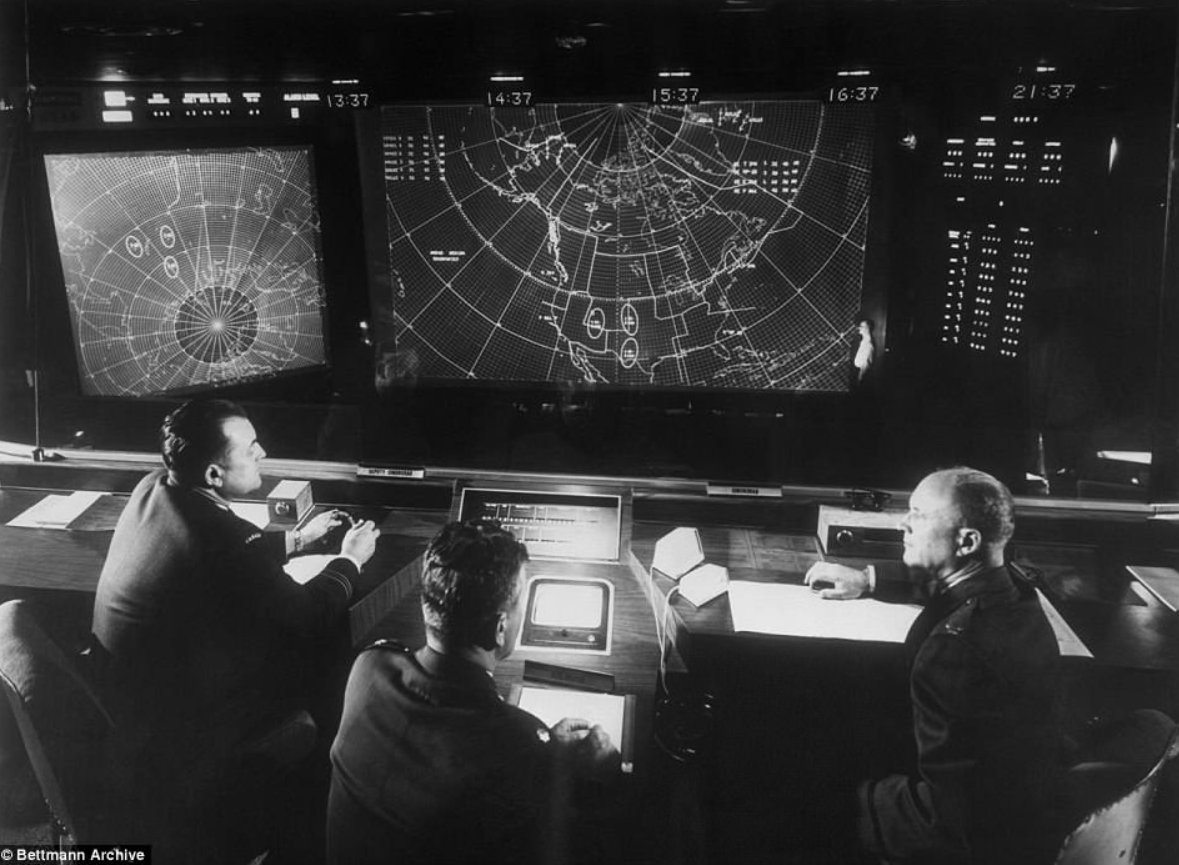
NORAD Command Center. Image source: dailymail.co.uk
How Stanislav Petrov Saved Humanity
On September 26, 1983, duty officer of the Soviet missile early warning system Stanislav Petrov saw an alarming signal on his screen: the system had detected the launch of an American missile. According to protocol, he was supposed to immediately report to command, which would most likely have ordered a massive retaliatory nuclear strike against the United States.
But Petrov noticed inconsistencies. The system showed only a few missiles — strange for a full-scale first strike. And he decided to wait. As he later recounted:
All I had to do was pick up the direct line to command. But I couldn’t move. I felt as if I were sitting on a hot frying pan.
Enough time passed for it to become clear: there were no missiles. It turned out that the satellites had mistakenly interpreted sunlight reflected off clouds as the flashes of launching missiles. A glare on a cloud — and the fate of the planet ended up in the hands of one man who decided not to follow instructions.
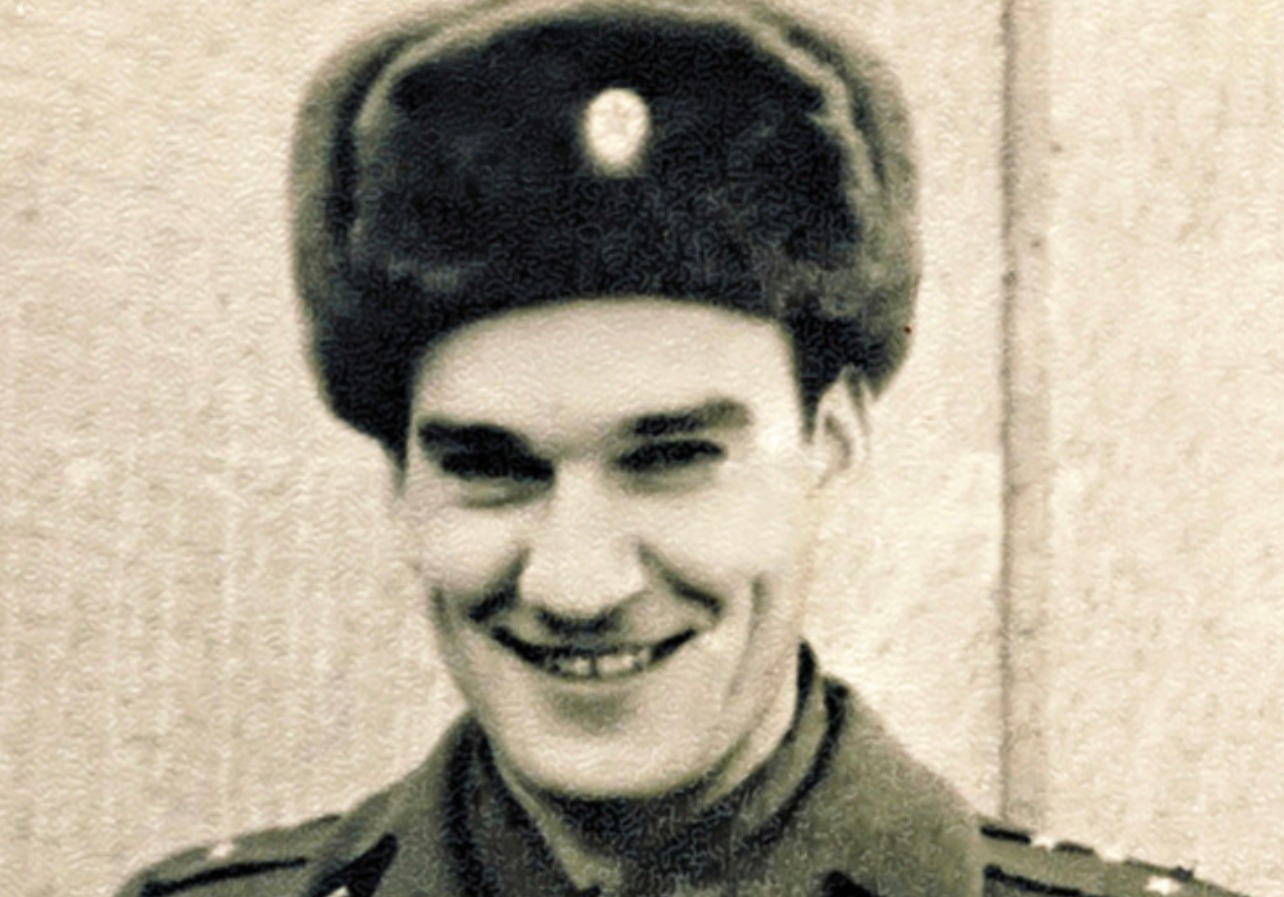
Stanislav Petrov. Image source: wikipedia.org
The Solar Storm of 2012
In July 2012, many recalled predictions about the “end of the world according to the Mayan calendar” — but the real threat was of an entirely different kind. A massive coronal mass ejection occurred on the Sun — a stream of charged particles of colossal energy surged into space.
According to NASA, this storm was comparable in intensity to the Carrington Event of 1859 — the strongest recorded solar storm in history. Back in the 19th century, telegraph machines sparked and caught fire, and the northern lights were visible even in the tropics. But in 1859, electrical infrastructure barely existed.
In 2012, the consequences could have been catastrophic: destruction of satellites, failure of electrical transformers, massive blackouts. By some estimates, restoring the infrastructure would have taken years and cost trillions of dollars.
What saved us was the fact that the ejection occurred in a direction where Earth had been nine days earlier. Had our planet been at that point in its orbit slightly sooner, the blow would have hit us directly. Nine days — that was the entire difference between an ordinary summer and a technological collapse on a planetary scale.
The five episodes described share one thing in common: in none of them did people have full control of the situation. The 1918 pandemic revealed defenselessness against viruses. The Cuban Missile Crisis demonstrated how a political standoff can spiral out of control. The two nuclear incidents of 1979 and 1983 exposed the monstrous fragility of early warning systems: a training tape and a solar glare nearly became triggers for a global catastrophe. And the 2012 solar storm served as a reminder that threats come not only from humans.