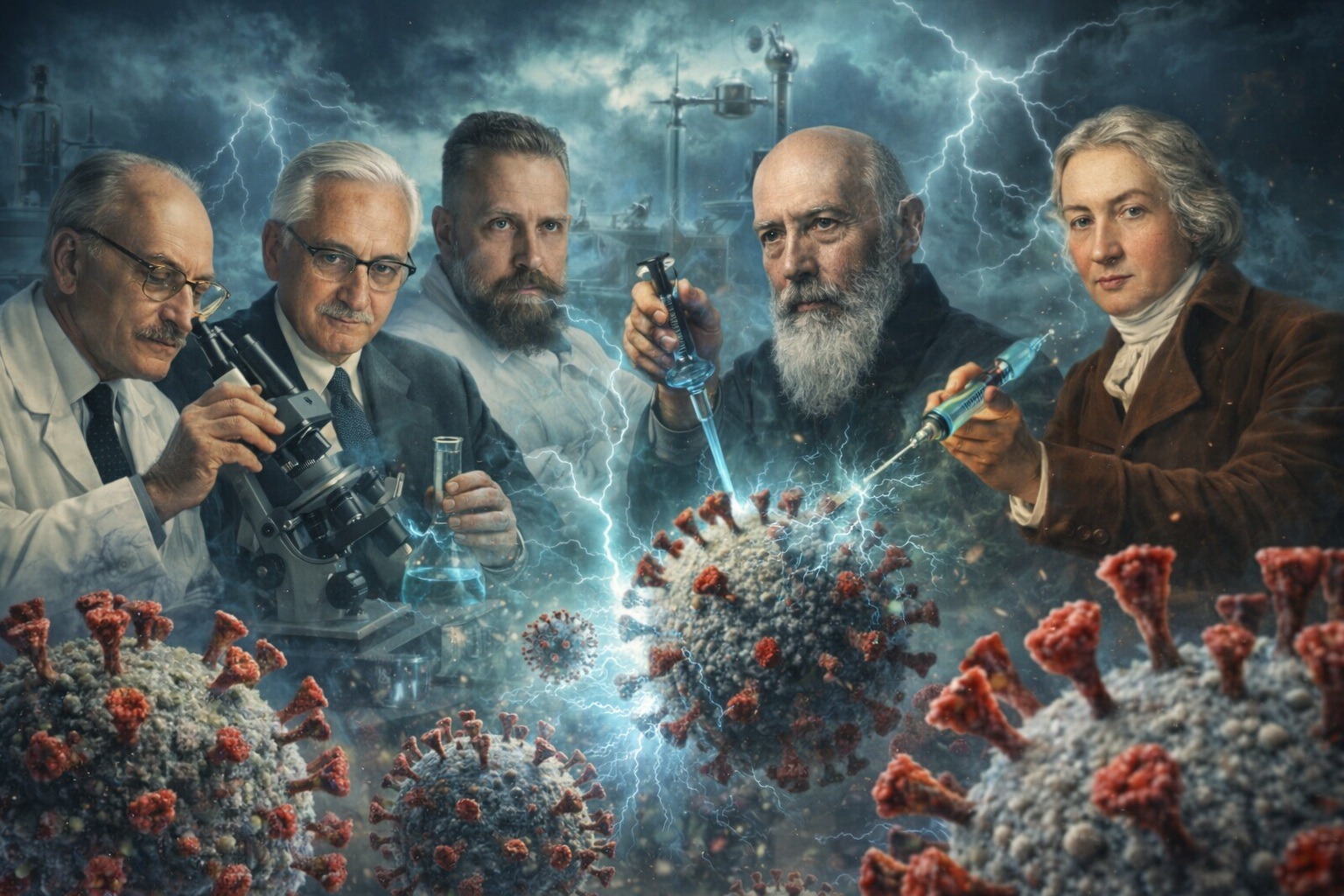
Medicine has managed to defeat at least five diseases that were once considered fatal
Imagine a world where an ordinary scratch could become a death sentence. Just a hundred years ago, humanity was defenseless against an army of microscopic killers, and even doctors could only throw up their hands. Today we panic about what we can’t yet treat, but rarely think about diseases that have already become history. Let’s look back at the past and recall five deadly enemies that science has managed to defeat.
Smallpox
Smallpox was a virus that killed one in three infected people, sparing neither pharaohs nor common peasants. Smallpox raged for centuries, leaving survivors disfigured for life and changing the course of wars.
But in 1796, physician Edward Jenner noticed that milkmaids who had contracted cowpox did not catch the deadly human version. He inoculated a boy with material from a pustule on a milkmaid’s hand, and the boy became immune to the disease.
This discovery launched a long journey of vaccination around the world. The result is astounding: in 1980, the World Health Organization officially declared that smallpox had been eradicated forever. This is the only infection that humans have been able to wipe from the face of the Earth.
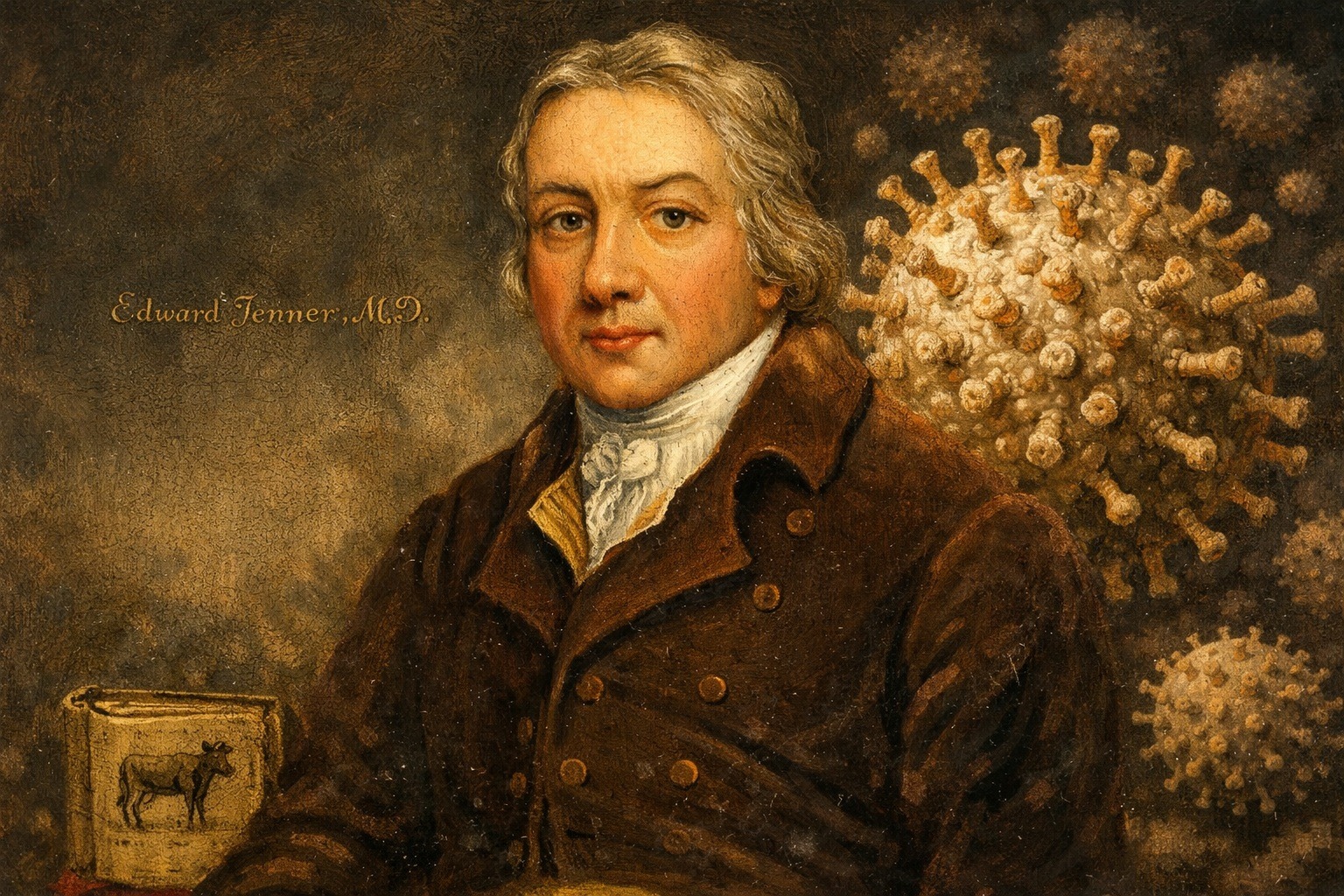
Edward Jenner, who defeated smallpox
Poliomyelitis
In the first half of the 20th century, polio was a nightmare for parents. The disease struck children, leaving them paralyzed for life.
Iron lungs became the symbol of that era. The turning point came in the 1950s, when Jonas Salk created the first vaccine, and Albert Sabin came up with a convenient form in drops. Vaccination works miracles: today polio has almost disappeared. Cases are registered in only two countries in the world, and scientists believe that soon this enemy will share the fate of smallpox.
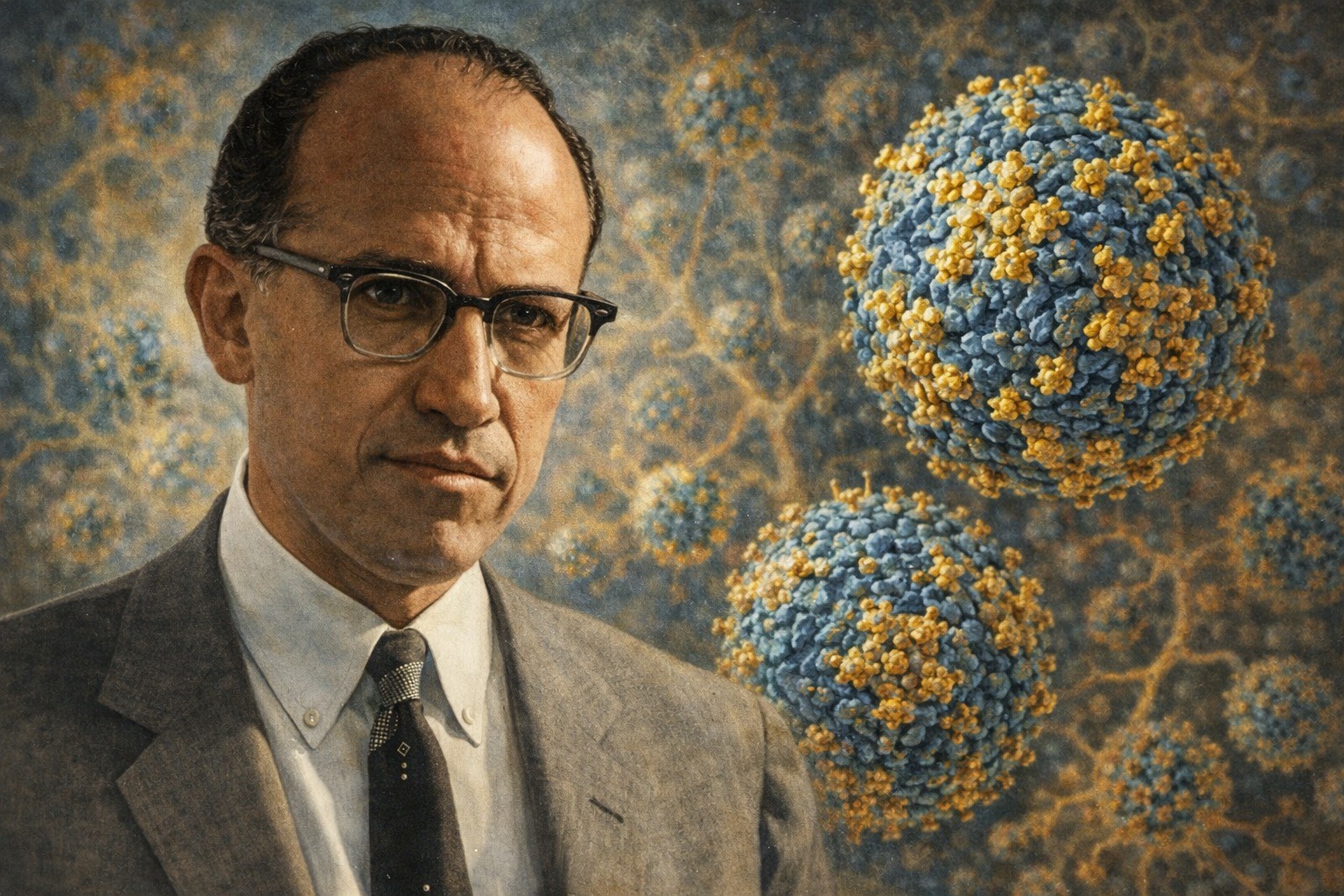
Jonas Salk, who defeated polio
Tuberculosis
It used to be called “consumption” and was feared no less than the plague. Tuberculosis slowly destroyed the lungs, and geniuses, poets, and musicians died from it. People could only hope for fresh air and rest in sanatoriums, but this rarely helped.
The situation changed in the 1940s with the discovery of streptomycin—the first antibiotic capable of killing the tubercle bacillus. Today tuberculosis is treated with ordinary pills. Although doctors are now sounding the alarm about resistant strains, for most people this diagnosis has long ceased to be a death sentence.
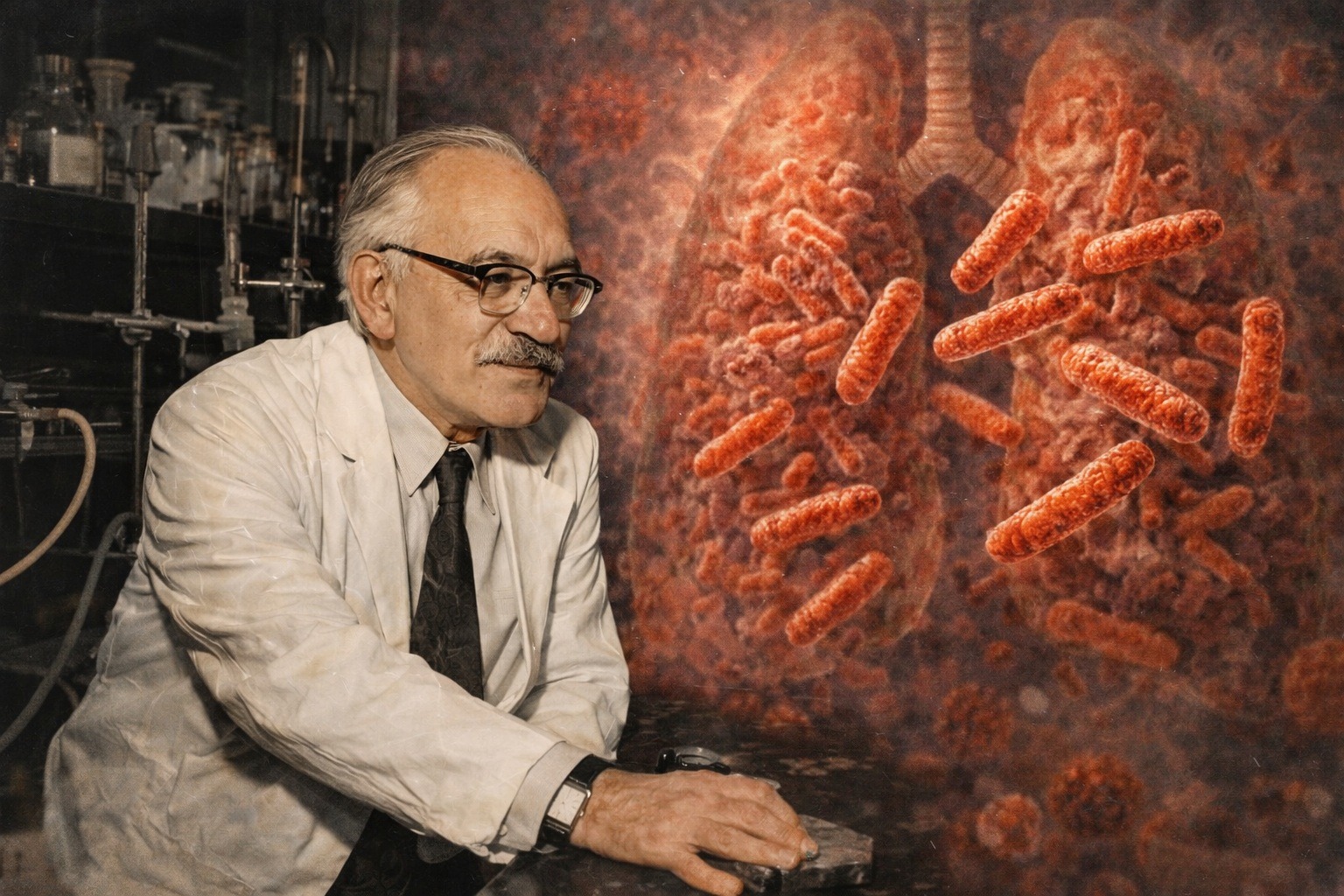
Selman Waksman, who defeated tuberculosis
Leprosy
For centuries, leprosy was considered divine punishment. Sufferers were expelled from cities, forced to live in leper colonies, and made to wear bells to warn healthy people of their approach.
The disease disfigured faces and bodies, but the main horror was not the pain but complete isolation. Fortunately, in the 20th century an effective treatment with a combination of antibiotics was found. Leprosy, now called Hansen’s disease, is completely curable. Today it is extremely rare, and most importantly—science has destroyed the myth of its legendary contagiousness, giving people back the right to normal life.
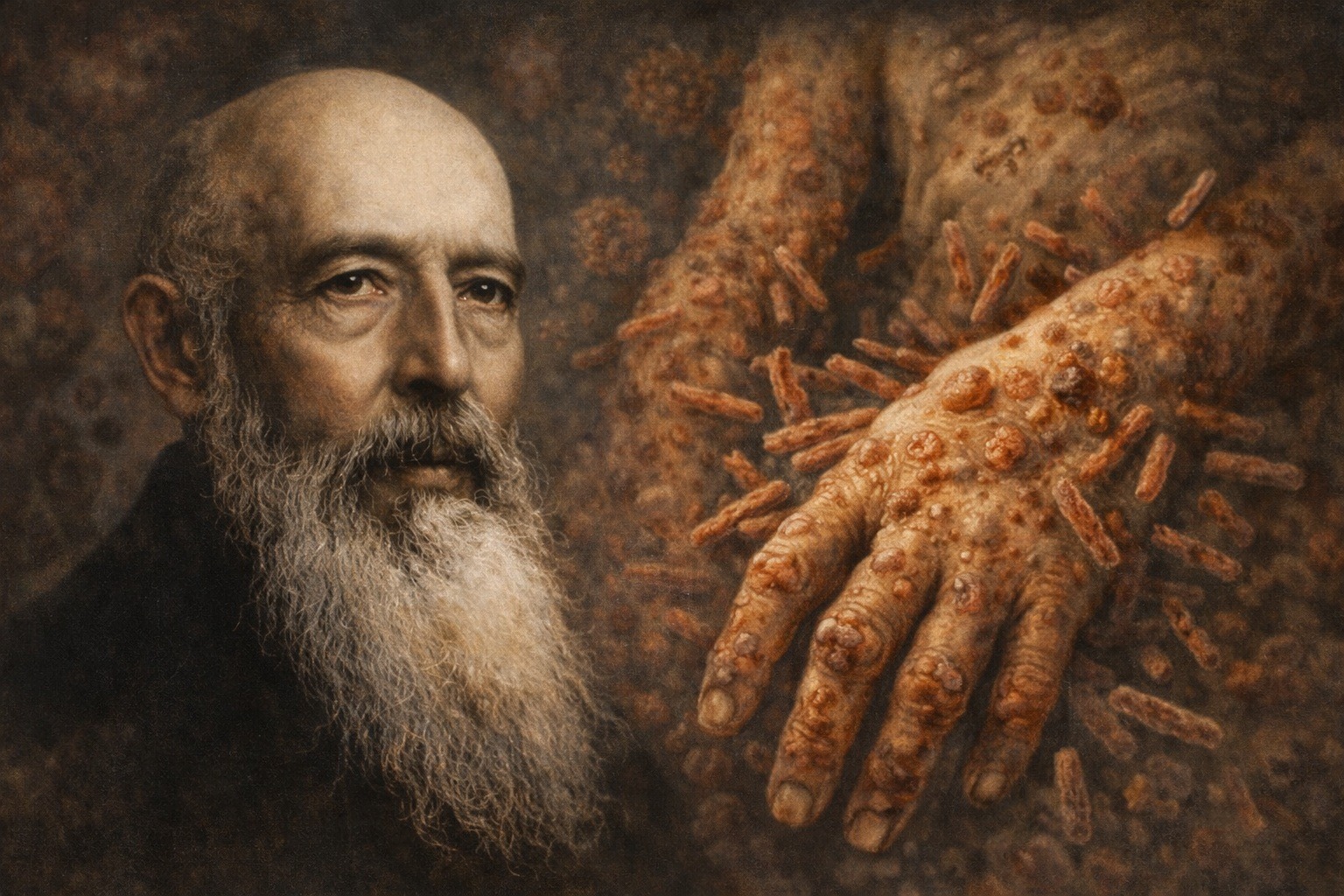
Gerhard Hansen proved that leprosy is not hereditary
Diphtheria
Before the era of vaccinations, diphtheria was one of the main nightmares for pediatricians. A child would suddenly develop severe throat pain, and a thick gray membrane would form in the airways. It would block the airway, and the child would simply suffocate.
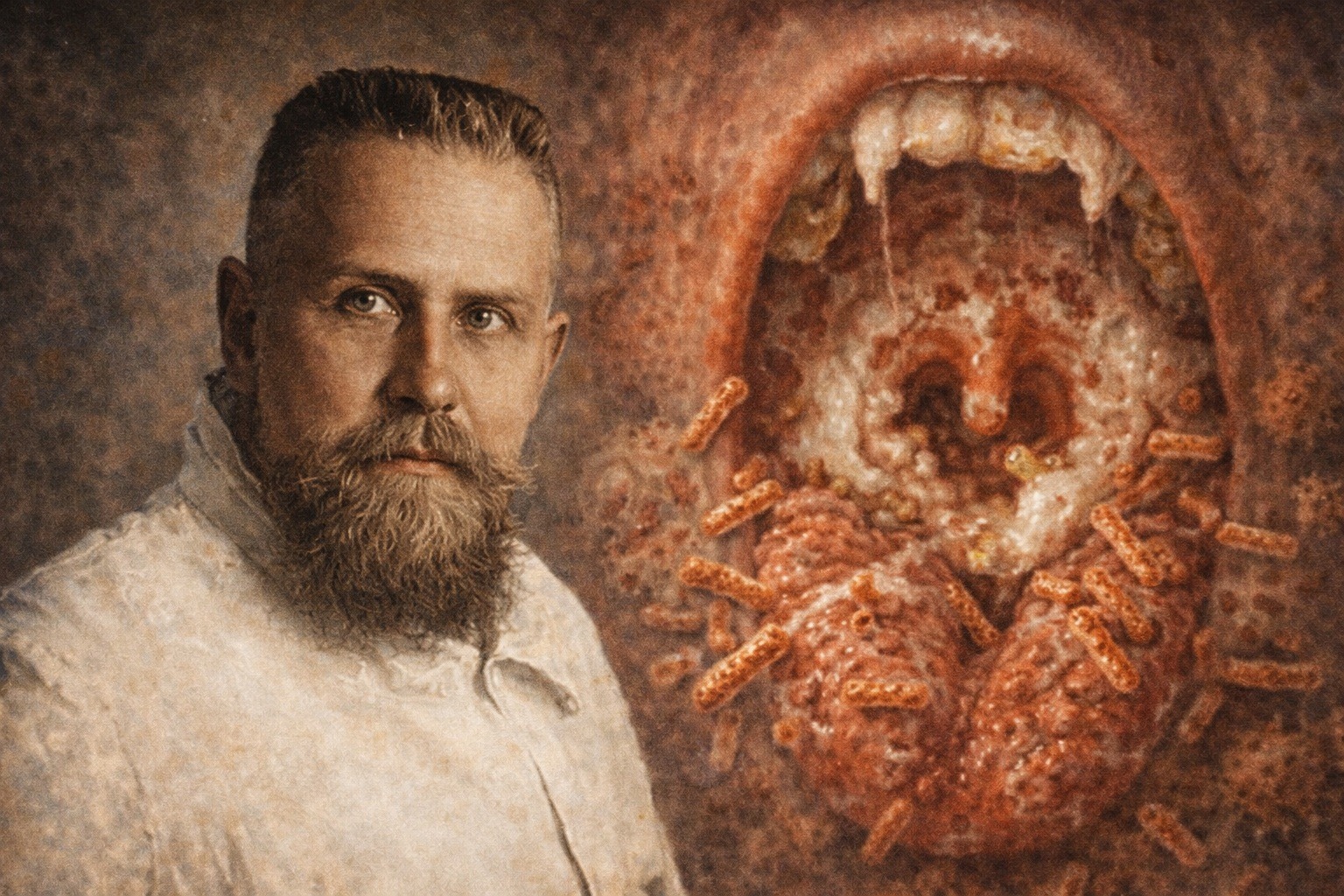
Gaston Ramon made a great contribution to the treatment of diphtheria
At the end of the 19th century, scientists invented a life-saving serum—an antitoxin—and then a vaccine appeared. Today diphtheria is almost forgotten in developed countries. The disease that suffocated children has retreated thanks to science, and now protecting a child from it requires just a simple shot.