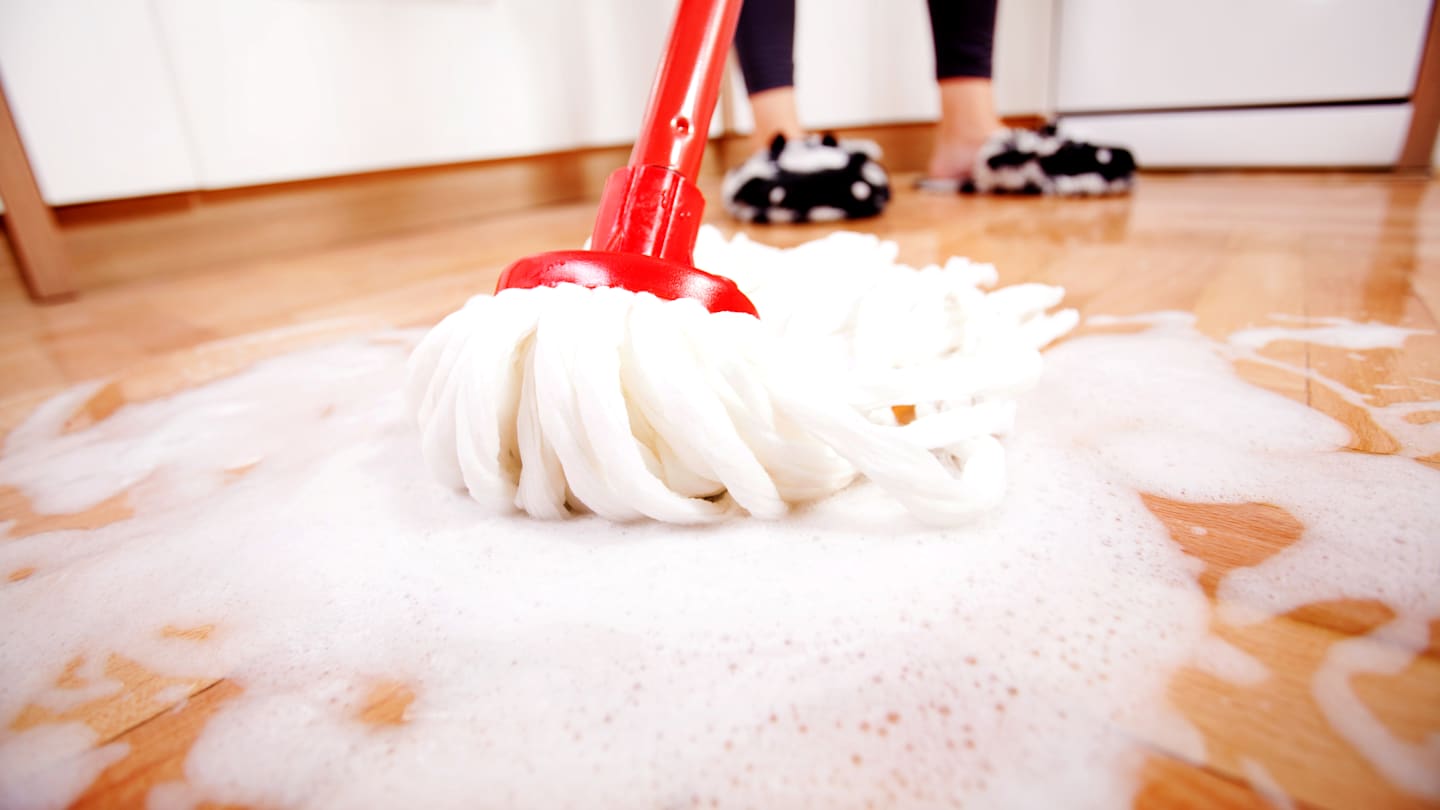
Excess cleaning product leaves sticky streaks on surfaces.
Many of us repeat the same cleaning rituals for years without realizing that some of them are not just useless but actually make the home dirtier. If it seems like dust reappears quickly after cleaning, the problem may not be how often you clean but your habits themselves. More foam doesn’t mean cleaner, and grandma’s tips with vinegar, bleach, and hairspray are long outdated. Here are five popular cleaning myths that need to be reconsidered, along with simple alternatives that actually work.
Why you shouldn’t use too much cleaning product: more doesn’t mean cleaner
It seems logical: if a little cleaning product handles dirt well, then a double dose should work twice as well. In practice, it’s the exact opposite. Excess cleaning product doesn’t get fully rinsed off the surface — leaving a sticky film that immediately attracts dust and new dirt. The surface looks dull, and streaks on glass and countertops become even more noticeable.
The same thing happens with laundry detergent and washing gel. Too much product — and a soapy residue remains on the fabric, forcing you to rewash your clothes. As a result, you waste more water, electricity, and time. The simplest tip that actually works: follow the recommended dosage on the packaging. Manufacturers calculate it for a reason.
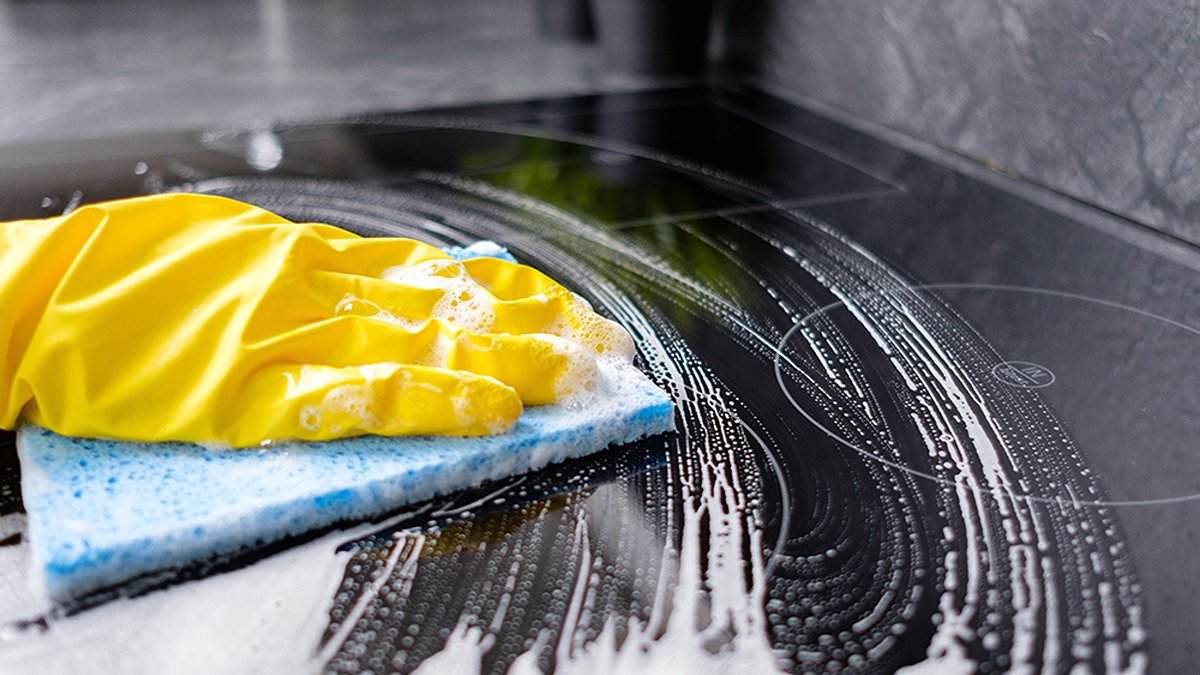
Excess cleaning product leaves sticky streaks on surfaces. Image source: karar.com
Where you shouldn’t use vinegar and bleach for cleaning: they’re not universal products
Vinegar is a favorite of “natural” cleaning enthusiasts, and bleach is the heavy artillery for those who want to disinfect everything at once. The problem is that neither of these products is suitable for every task.
Bleach does indeed kill bacteria effectively and handles stains in the bathroom or on white laundry. But it’s practically useless against grease on a kitchen stove — for that, you need products with surfactants that can break down grease. For bleach to work effectively, it often needs to be combined with other components.
Vinegar is good at dissolving limescale and mineral deposits — the same ones that form scale in your kettle or on your faucet over time. But for it to work, you need to use it in concentrated form, not just lightly spray it from a water-diluted spray bottle. At the same time, vinegar should absolutely not be used on granite, marble, natural stone, or wooden surfaces — the acid damages their structure and destroys the protective coating. So there’s no universal product for the entire home: different surfaces require different approaches.
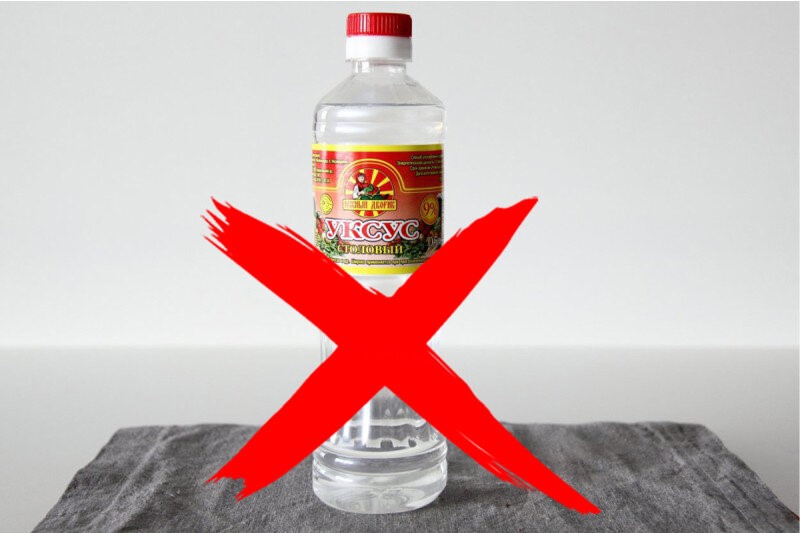
The acid in vinegar can damage granite and marble surfaces. Image source: dzen.ru
Why feather dusters don’t work and what to replace them with
A fluffy feather duster is a beautiful accessory from movies about housekeepers, but in reality, most such dusters simply push dust from one spot to another. Worse yet: they lift fine particles into the air, which then settle back down — onto the same shelf, the floor, or nearby furniture. Air quality in the room also temporarily worsens.
Expensive dusters made from natural ostrich feathers actually work better — the feathers create a static charge and attract dust. But most dusters sold in stores are made of synthetic materials that barely hold onto dust.
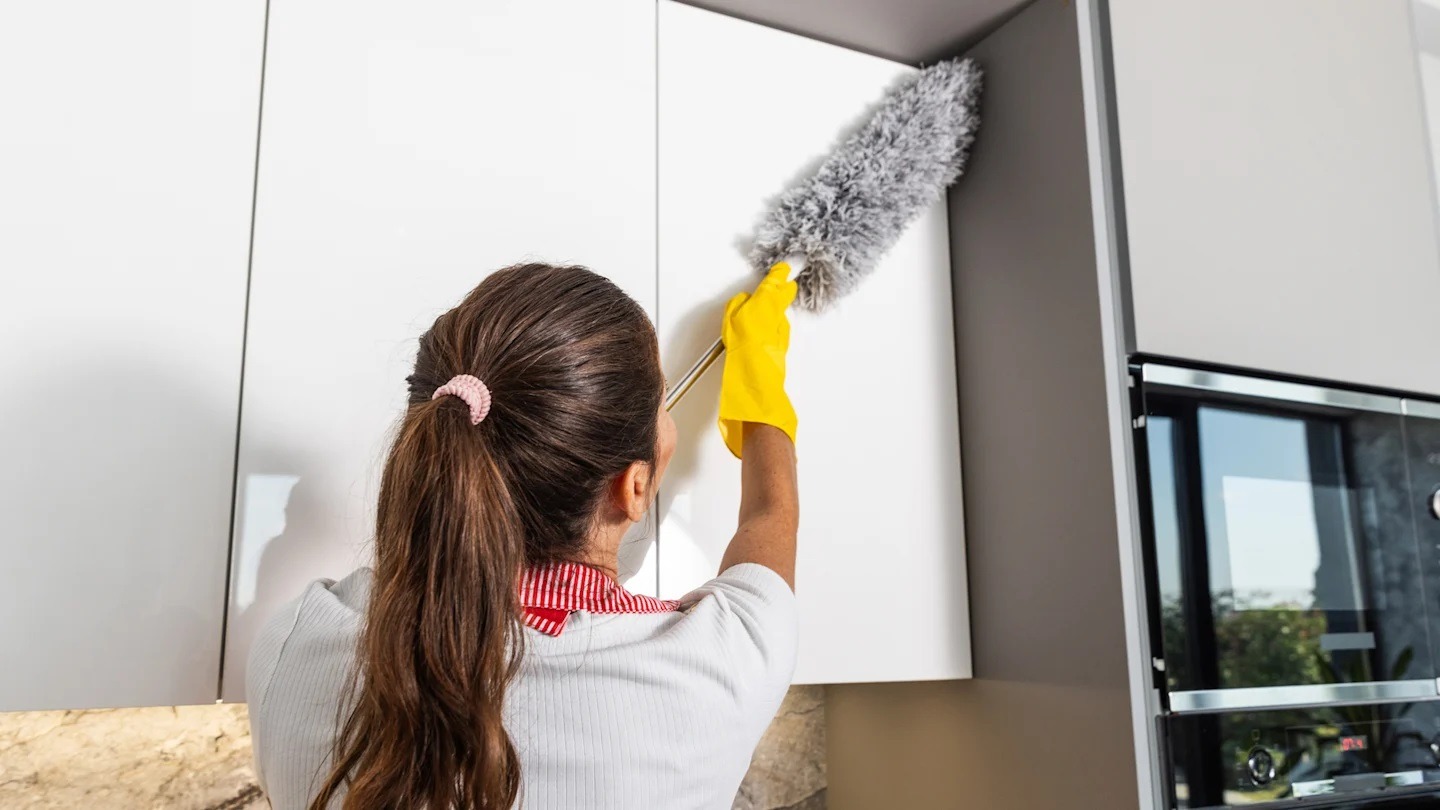
It’s better to use microfiber — it captures dust rather than scattering it around the room. Image source: mentalfloss.com
What actually helps:
- A microfiber cloth — the fibers are designed to capture and hold dust particles rather than scatter them
- A slightly damp cloth — dust sticks to it and doesn’t fly around
- A vacuum cleaner with a furniture attachment — the best option for bookshelves and hard-to-reach areas
How to remove ink stains from clothes instead of using hairspray: a tip that’s long outdated
If you’ve ever gotten an ink stain on a shirt, you may have heard the advice: spray it with hairspray, and the stain will come out. Decades ago, this could actually help — old hairspray formulas contained a lot of alcohol, which dissolved ink.
But modern hairsprays have changed significantly. They contain much less alcohol (or none at all), and instead include polymer fixatives that make hair stiff. These same polymers settle on fabric and create an additional layer that can make the stain even worse — it literally gets “sealed” into the fibers.
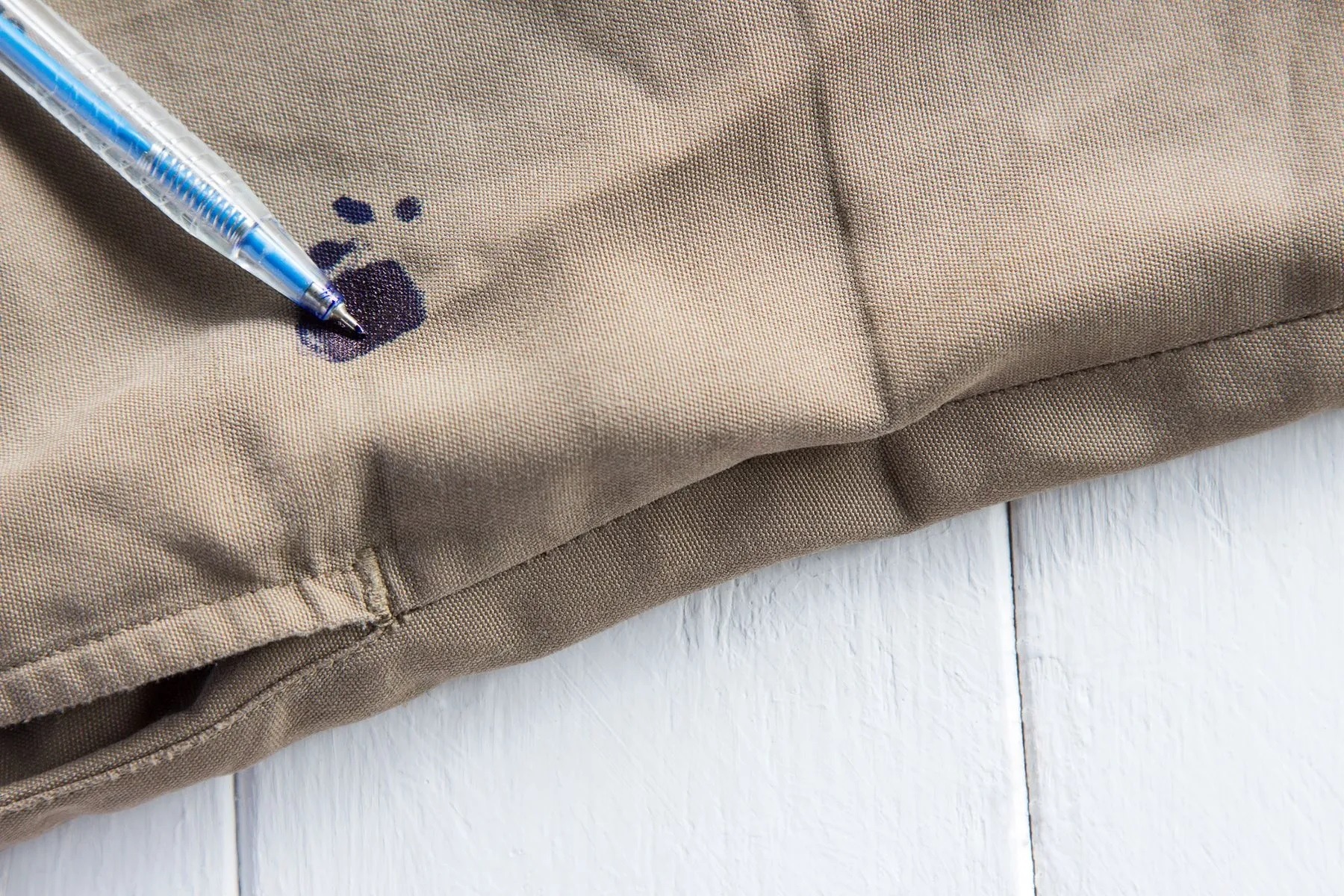
Rubbing alcohol dissolves ink more effectively and doesn’t leave streaks. Image source: storage.googleapis.com
Instead of hairspray, use regular rubbing alcohol (isopropyl alcohol). It effectively dissolves ink and doesn’t leave a sticky film behind. Apply it to a cotton pad, dab the stain — and your chances of saving the garment will be much higher.
How to properly clean your washing machine and dishwasher, and why they need cleaning too
The dishwasher washes dishes, the washing machine launders clothes — so they must always be clean inside? Unfortunately, no. Every cycle leaves behind food residue, fabric fibers, mineral deposits, and traces of detergent. Over time, all of this accumulates.
In a dishwasher, food residue clogs the filter, leading to unpleasant odors, poor drainage, and bacterial growth. Experts recommend cleaning the dishwasher filter every three to six months. Or you can use a simple way to freshen up the machine: run a regular cycle with white vinegar — this will help dissolve mineral deposits.