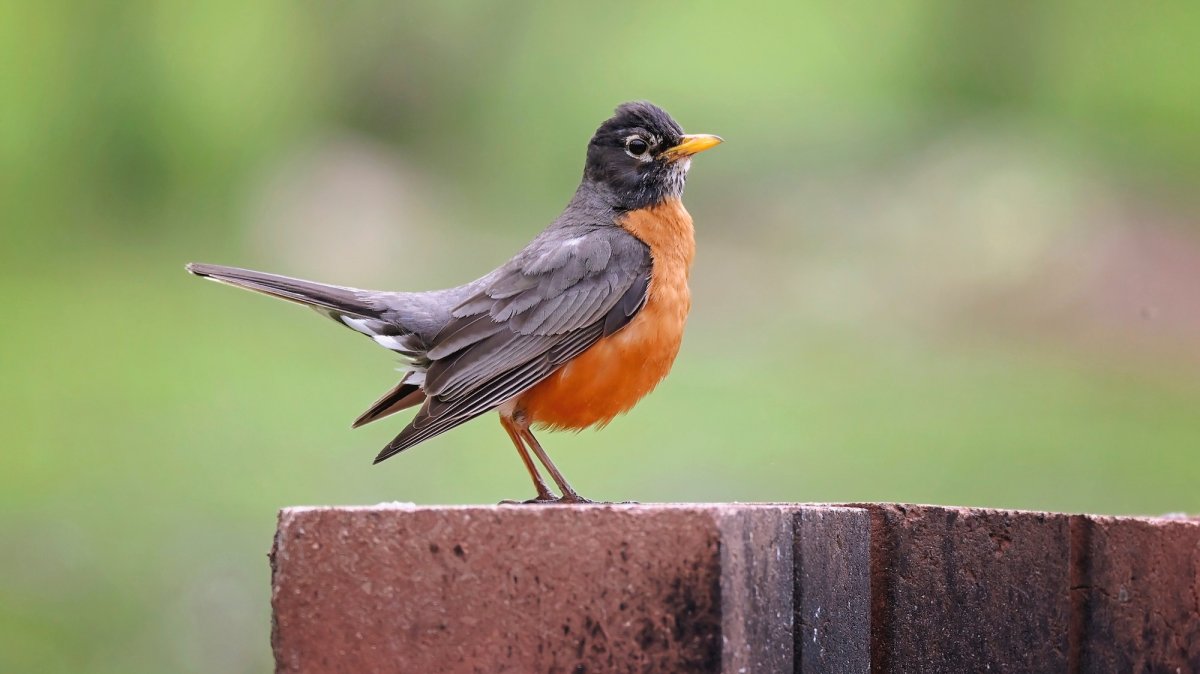
Bird food in a feeder — one of many food sources, not the only one
With the arrival of warm weather, birds in yards become more noticeable and louder. Many people feed them, watch them, and worry about chicks that have fallen out of nests. But so many misconceptions have accumulated around these simple things that sometimes we’re afraid of causing harm where there is none. Scientists have checked the most persistent myths about backyard birds — and none of them turned out to be true. Let’s examine each one.
Can You Feed Birds at Your Cottage, and Do Feeders Make Them Dependent?
One of the most common fears: if you hang a feeder, birds will get used to the “freebie” and forget how to find food on their own. The logic makes sense — we know that bears, for example, really do become addicted to human food, and it ends badly for both bears and people. But with songbirds, things work differently.
A study published in 2021 in the Journal of Avian Biology by scientists from Oregon State University showed that a feeder makes up only a small portion of small birds’ diet. The researchers tagged black-capped chickadees (close relatives of European tits) with RFID tags and observed how often they visited feeders. Some birds had their feathers clipped to make flying more difficult. The result: even birds with clipped feathers used the feeder more actively only temporarily while their feathers grew back, and then returned to normal foraging.
“Seeds, berries, and small invertebrates in the surrounding environment were sufficiently available that the birds could reduce their visits to the feeder,” explained wildlife ecologist Jim Rivers, one of the study’s authors. So a feeder is more like a buffet on the way, not a cafeteria the bird can’t survive without.
Is Rice Actually Dangerous for Birds?
This myth most often comes up in the context of weddings: supposedly, if you throw rice, birds will pick it up, it will swell in their stomachs — and the bird will literally burst. It sounds terrifying. But it’s not true.
The Cornell Lab of Ornithology — one of the most authoritative organizations in bird research — directly states: there is not a single documented case of a bird dying from eating rice. Moreover, many species, from waterfowl to bobolinks, eat rice in the wild — it’s part of their natural diet.
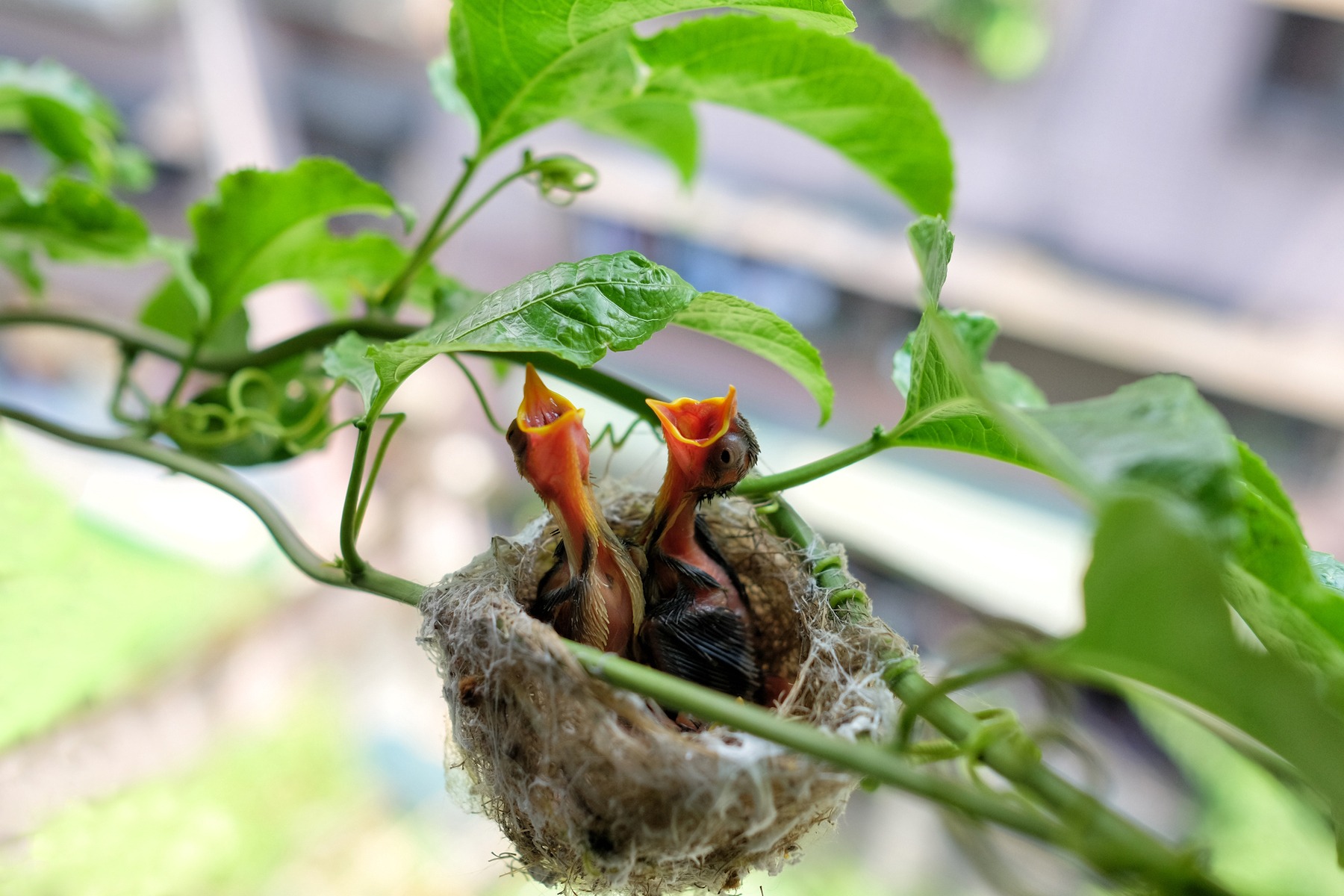
Pigeons calmly eat rice — contrary to the popular myth, it’s not dangerous for them
In 2002, biology professor Jim Krupa from the University of Kentucky had students test this myth experimentally. The findings were curious: regular birdseed actually swells in water even more than rice does. And 60 pigeons and doves that were fed instant rice and observed for 12 hours felt perfectly fine — they didn’t even regurgitate.
That said, it’s still worth abandoning the tradition of throwing rice at weddings — but for far more mundane reasons: scattered rice makes surfaces slippery and attracts rats.
The Hummingbird Food Myth: Is Red Dye Harmful?
If you’ve ever bought ready-made nectar for hummingbirds, you’ve probably noticed it’s bright red. The idea is that red attracts these birds, and that’s partly true — hummingbirds do see the red spectrum better. Bird vision in general is remarkable. In nature, red flowers are indeed often rich in nectar, but the nectar itself in flowers is colorless. Therefore, the feeder vessel should be red, not the liquid inside.
The National Audubon Society (the largest conservation organization in the US) warns that red dye is potentially harmful to birds and recommends making nectar at home. The recipe is extremely simple:
- A quarter cup of regular table sugar
- One cup of boiled water
- Stir, let it cool — done
This water-to-sugar ratio is close to the natural composition of flower nectar. The Audubon Society also warns: do not use honey (it promotes fungal growth) or artificial sweeteners (they have no nutritional value for birds). So homemade solution is not only safer than store-bought — it’s also practically free.
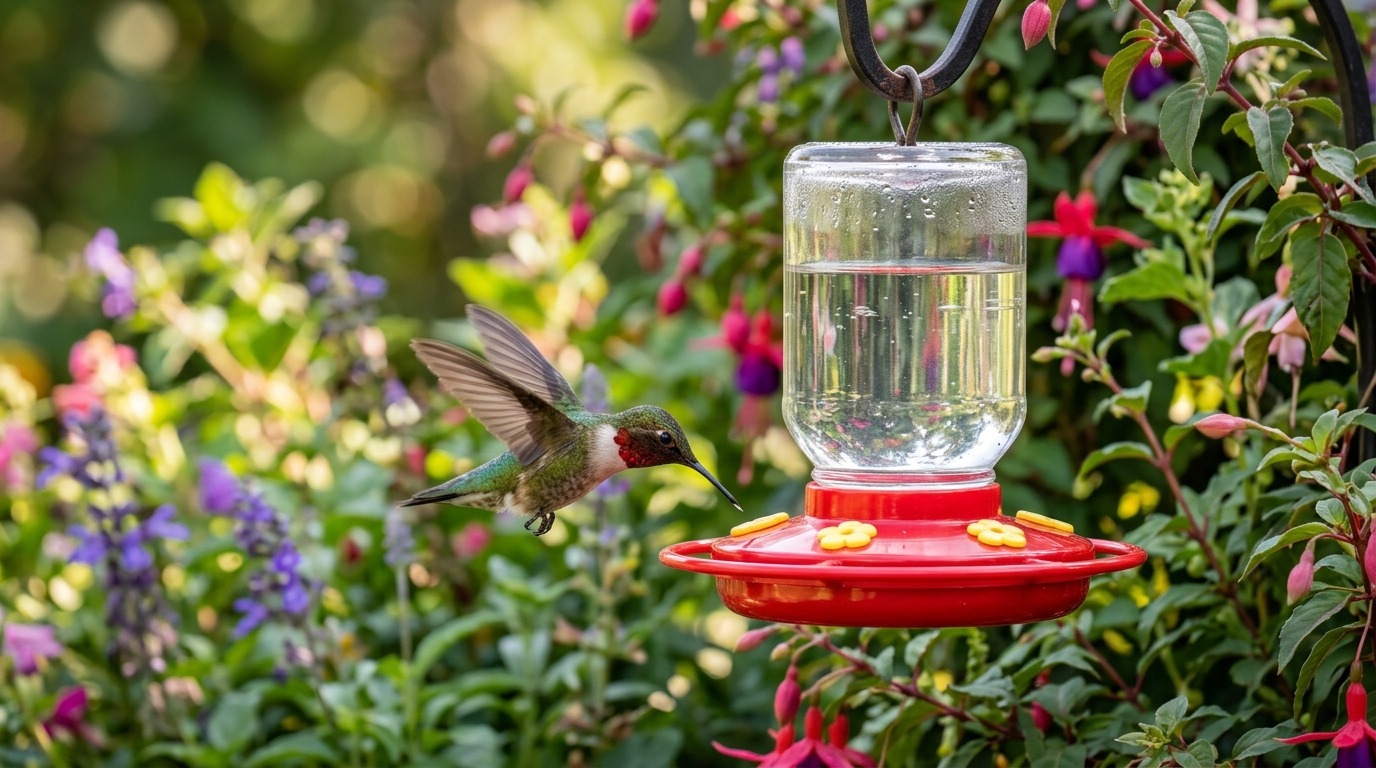
A hummingbird at a feeder with clear sugar syrup — the red color is only needed on the feeder itself
Can You Pick Up a Baby Bird, and Will Its Mother Abandon It?
Perhaps the most emotional myth: if you pick up a fallen chick, the mother will smell a foreign scent and abandon it. Because of this belief, people sometimes walk past chicks that genuinely need help.
The Cornell Lab of Ornithology debunks this myth as well. Yes, most birds have a fairly well-developed sense of smell. But birds invest an enormous amount of time and energy in raising their offspring and do not abandon chicks because of a foreign smell. Picking up a fallen chick and returning it to the nest is completely safe.
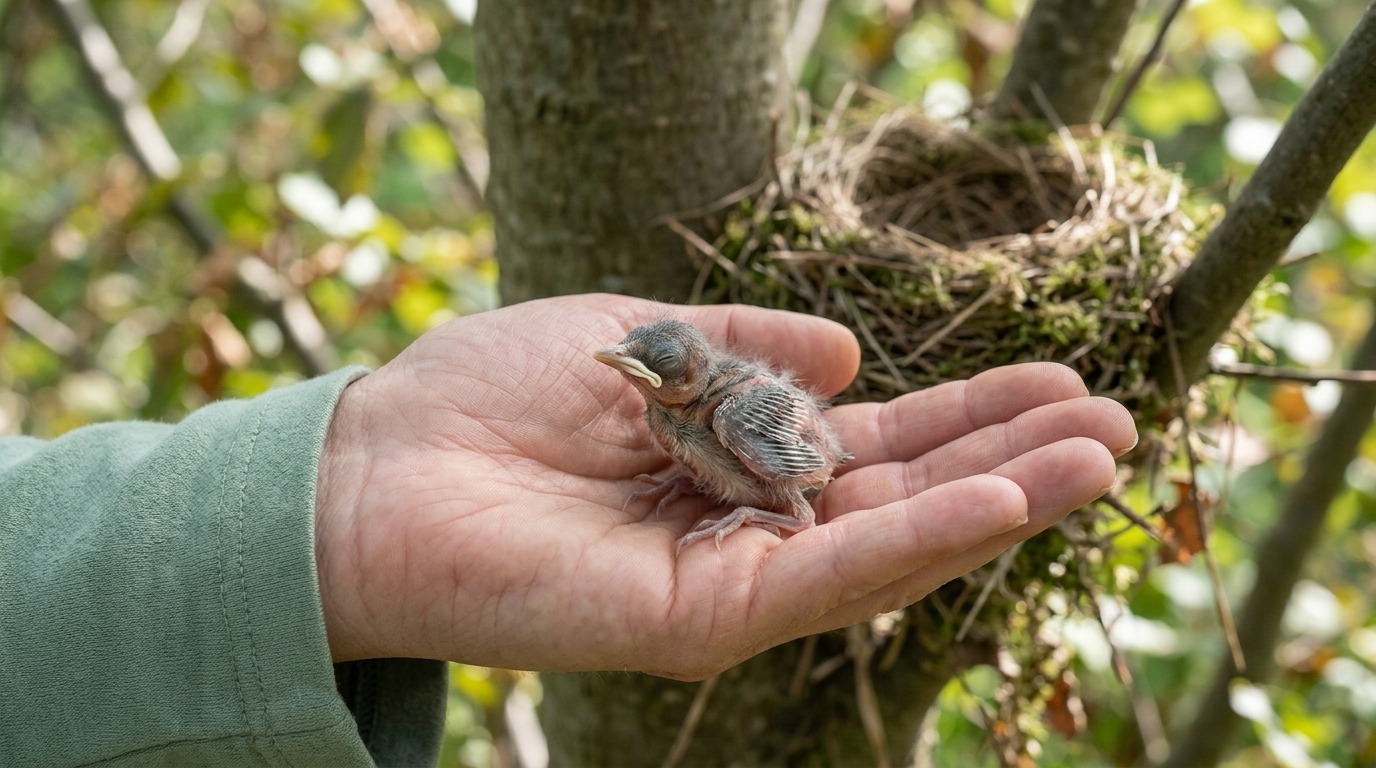
A chick that has fallen from the nest can be carefully returned — its mother won’t abandon it
However, before grabbing a chick, it’s worth assessing the situation. If you see a completely naked baby without feathers, it has most likely fallen accidentally and needs to be returned to the nest. But if the chick is already feathered and hopping on the ground, it may be a fledgling — a young bird learning to fly. It’s best not to touch such a bird, but simply move it to a safe spot if there’s a road or a cat nearby.
What’s Actually Dangerous for Birds in Yards and Gardens
All four myths share one theme: we worry that our interaction with nature harms birds. That’s a good instinct, but it’s aimed in the wrong direction. Feeders, rice, and touching chicks are not the problem.
The real threats are far more mundane. One of the biggest is free-roaming domestic cats. By various estimates, outdoor and feral cats kill billions of birds annually. Glass windows that birds crash into, habitat loss, and pesticides — these are what truly affect their populations. The window problem is so serious that scientists are even developing special glass that birds can see.