The foldable iPhone is rumored to arrive later this year — and based on leaks, Apple is preparing more than just an “iPhone with a hinge.” Now let’s look at three design decisions attributed to the iPhone Fold that will be absolute firsts for the company. Each of them is directly related to the limitations imposed by the foldable design.
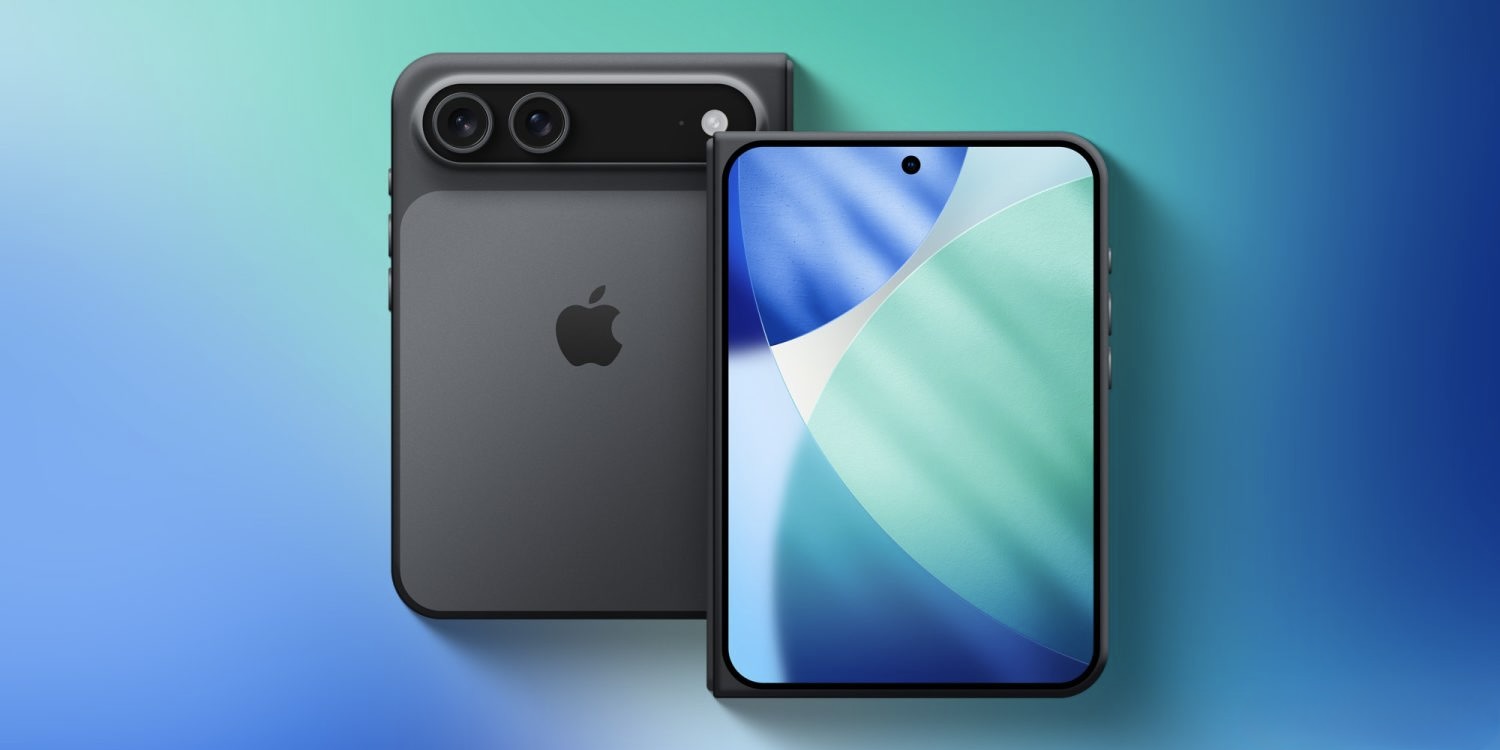
Already waiting for a foldable iPhone? Image: 9to5mac.com
iPhone Fold Without Dynamic Island — Why a Punch-Hole Cutout Will Replace It
All modern iPhones use either Dynamic Island (the black “island” at the top of the screen) or, like the iPhone 17e, a larger “notch.” The foldable iPhone, according to rumors, will have neither. Instead — a small round cutout for the front camera, positioned at the center of the top of the screen. This solution has long been common in the Android world, but for Apple it will be a first.
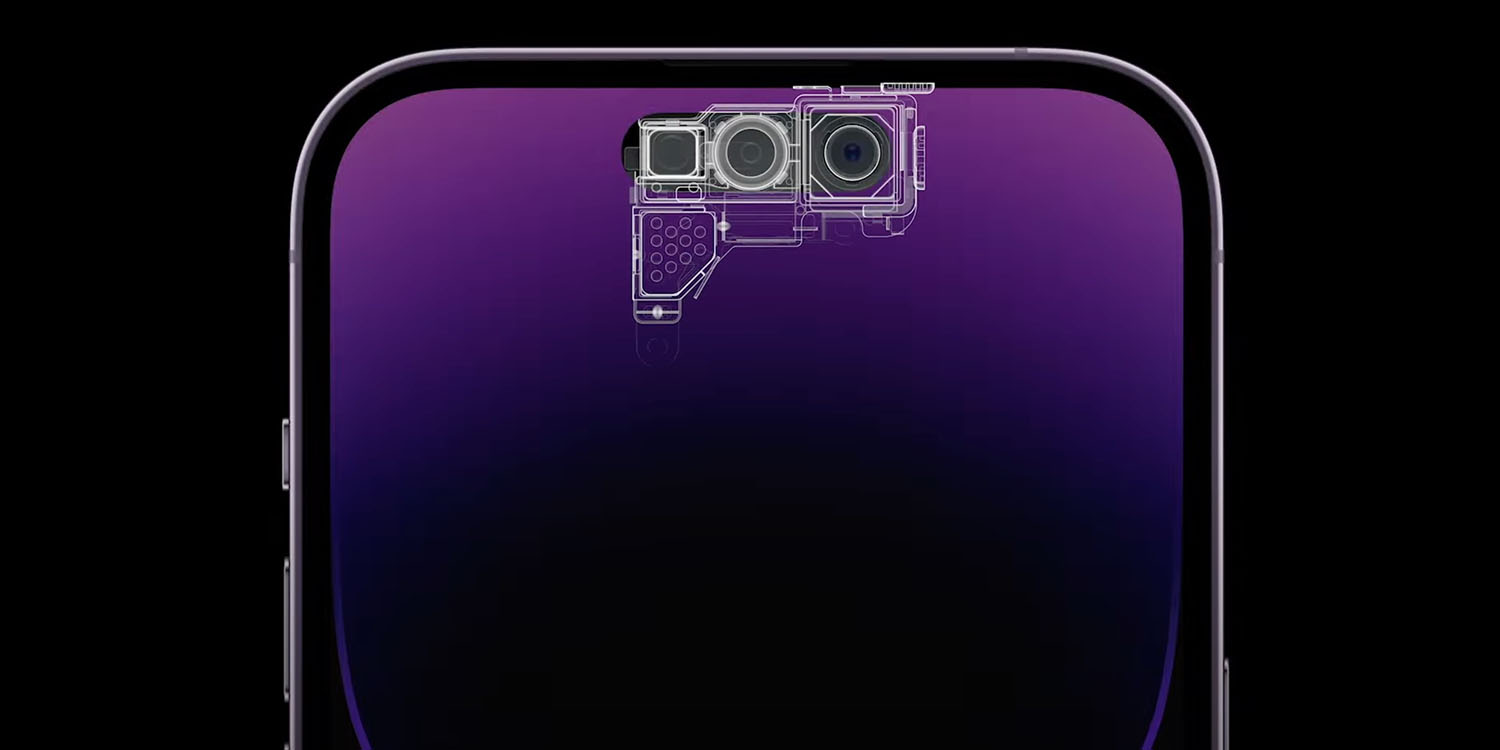
The first iPhone to get a punch-hole front camera. Image: 9to5mac.com
The reason is simple: the iPhone Fold, according to available data, will not have Face ID. Due to the thin body, Apple couldn’t fit two sets of face recognition components (one for each half). Instead, the device will get Touch ID — a fingerprint scanner. Without the bulky Face ID sensors, there’s no need for a wide cutout, and a compact “dot” is enough for the front camera.
For users, this means two things. The good news: the screen will be slightly “cleaner” without a large Dynamic Island. The debatable part: you’ll have to get used to unlocking without face scanning if you’ve been using Face ID for a long time.
What Screen Will the iPhone Fold Have — Display Size and Orientation
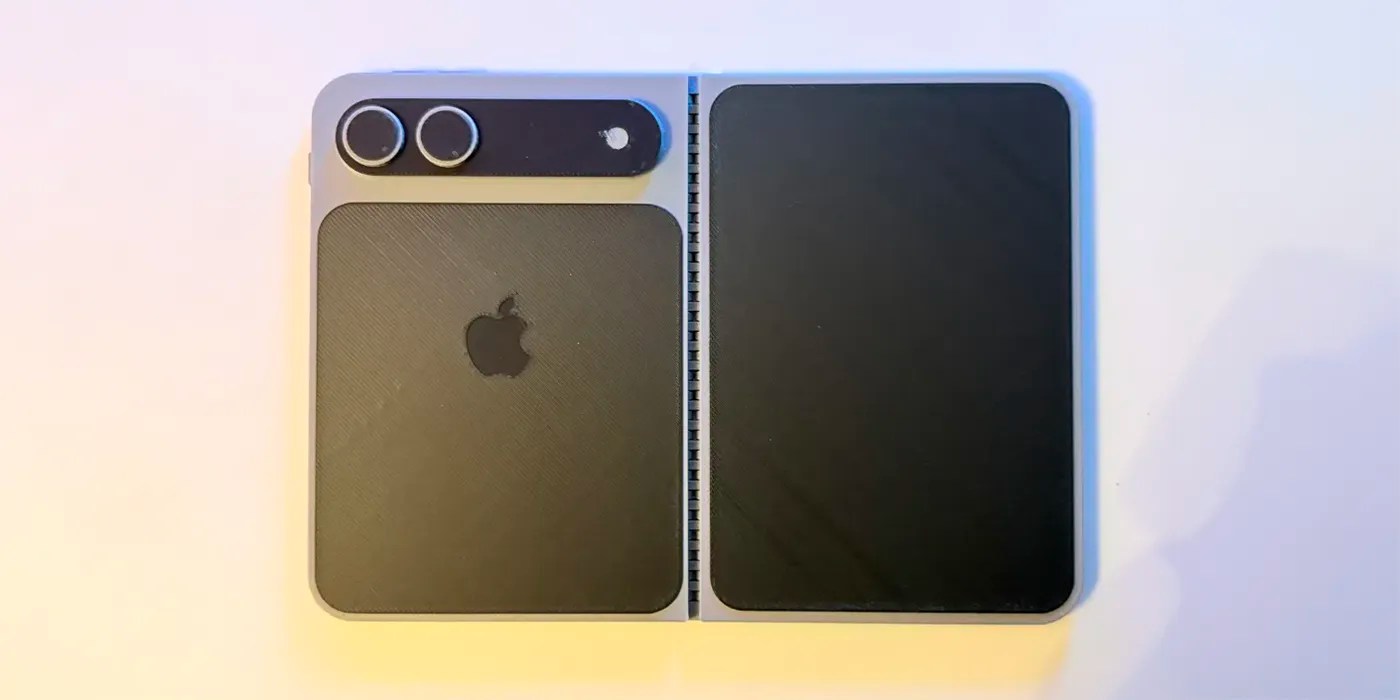
iPhone Fold will get an unusual screen for smartphones of this form factor. Image: 9to5mac.com
Apple, judging by leaked CAD drawings, chose unusual proportions for the iPhone Fold. The external screen is noticeably wider than a standard iPhone, and the internal — foldable — screen resembles a small notepad or booklet rather than a tablet. It’s also wide and relatively short.
The closest analogy is the iPad mini, but even that isn’t accurate. According to rumors, the iPhone Fold’s proportions will differ from any existing Apple device. When folded, it’s a smartphone; when unfolded — something between a large phone and a compact tablet with a horizontal orientation.
The practical question here is how apps will adapt to such a screen. If Apple truly makes a widescreen internal display, it could be convenient for video and working with two apps simultaneously, but it will require serious optimization from developers.
iPhone Fold Without Buttons on the Left Side — Why This Is Necessary
All iPhones, starting from the very first one, have had buttons on the left side: volume and the ring/silent switch (in newer models — the Action Button). The iPhone Fold’s left side, according to rumors, will be completely smooth — without a single physical button.
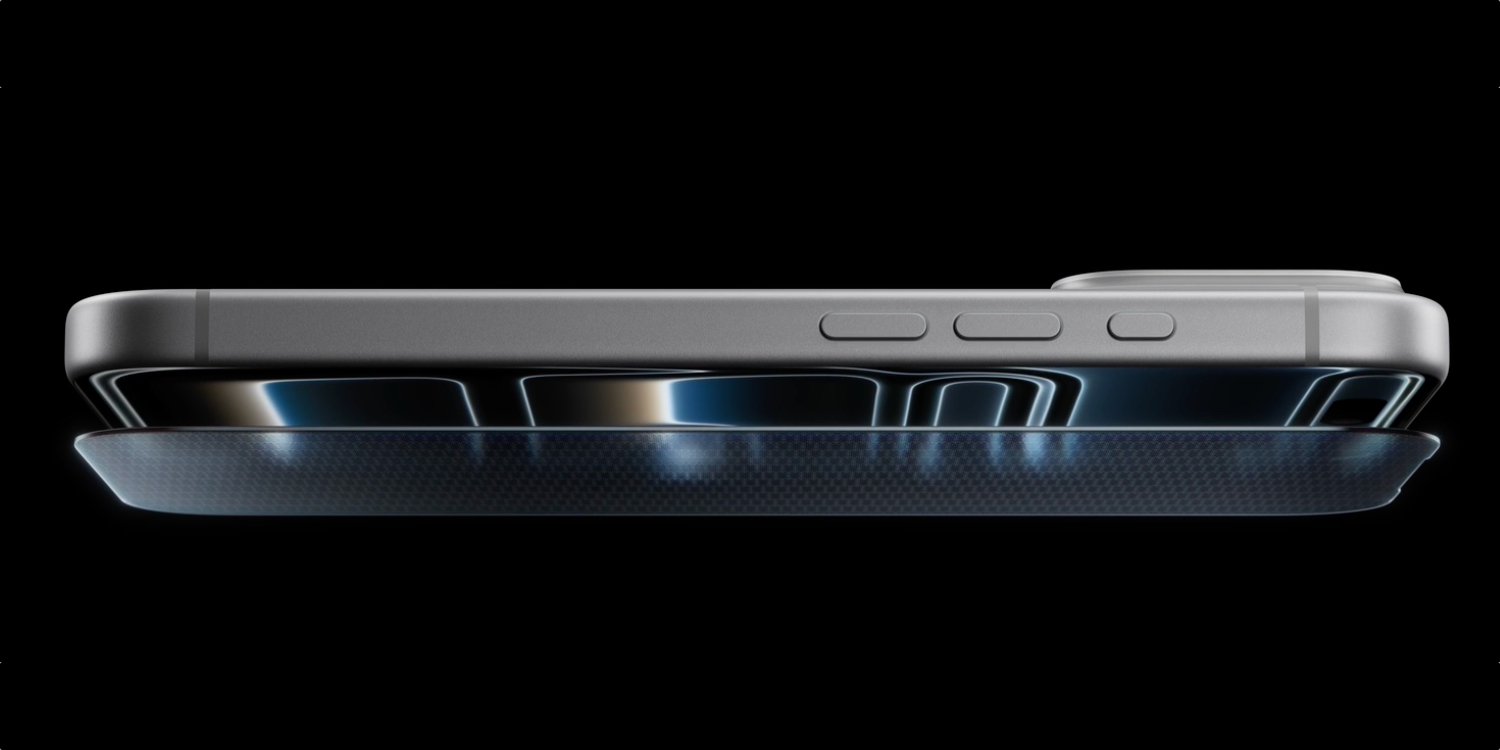
There will be no buttons on the left side, unlike regular iPhones. Image: 9to5mac.com
There are two reasons. First, the hinge is on the left side, and any buttons would interfere with folding. Second, as insider Instant Digital explains, the motherboard is located in the right half of the body. Running wires through the foldable screen to buttons on the left side was deemed impractical by Apple — almost all the space in the left half is dedicated to the screen and battery.
All controls, including the power button, volume controls, and likely a camera button, will be concentrated on the right side. Getting used to this will take time, especially for those who have been instinctively pressing volume on the left for years.
iPhone Fold Specs — What’s Already Known from Leaks
For now, we’re talking about rumors and leaks, not official Apple data. Here’s what can be pieced together:
- Touch ID instead of Face ID — due to body thickness limitations
- Front camera as a “dot” — without Dynamic Island or a notch
- Wide horizontally oriented internal screen
- External screen wider than a standard iPhone
- Left side without physical buttons
Exact specifications — screen diagonals, processor, cameras, battery capacity, and price — have not yet been confirmed. According to Mark Gurman from Bloomberg, the foldable iPhone will launch later than the iPhone 18 Pro lineup, meaning probably closer to fall 2026 or even later.
Should You Buy the iPhone Fold in 2026 — Who the Foldable Apple Is For
Foldable smartphones are no longer exotic: Samsung, Google, and Chinese manufacturers have been releasing them for several years. But Apple, as usual, was in no rush. And judging by leaks, the first foldable iPhone will be a device with notable compromises: no Face ID, unusual button placement, and a screen that takes getting used to.
Nothing reliable is known about the iPhone Fold’s price yet. Considering that competitors’ foldable flagships start at $1,799, don’t expect a budget price tag.
If you’re a confident iPhone user who needs the most familiar experience with Face ID and proven ergonomics — the iPhone 18 Pro will be a safer choice. But if you’re interested in a fundamentally new format and are ready for a first generation with all its quirks, the foldable iPhone deserves attention. The main thing is to wait for official specs and pricing before drawing conclusions.